

Getting a title loan without proof of insurance is possible, but it largely depends on the lender. Some lenders may require insurance as part of their lending criteria, while others may be more lenient. Understanding the intricacies of title loans and the role of insurance is key to navigating this financial option. In this article, we will explore the nuances of title loans, the necessity of insurance, and what options you have if you find yourself without it.
Understanding Title Loans
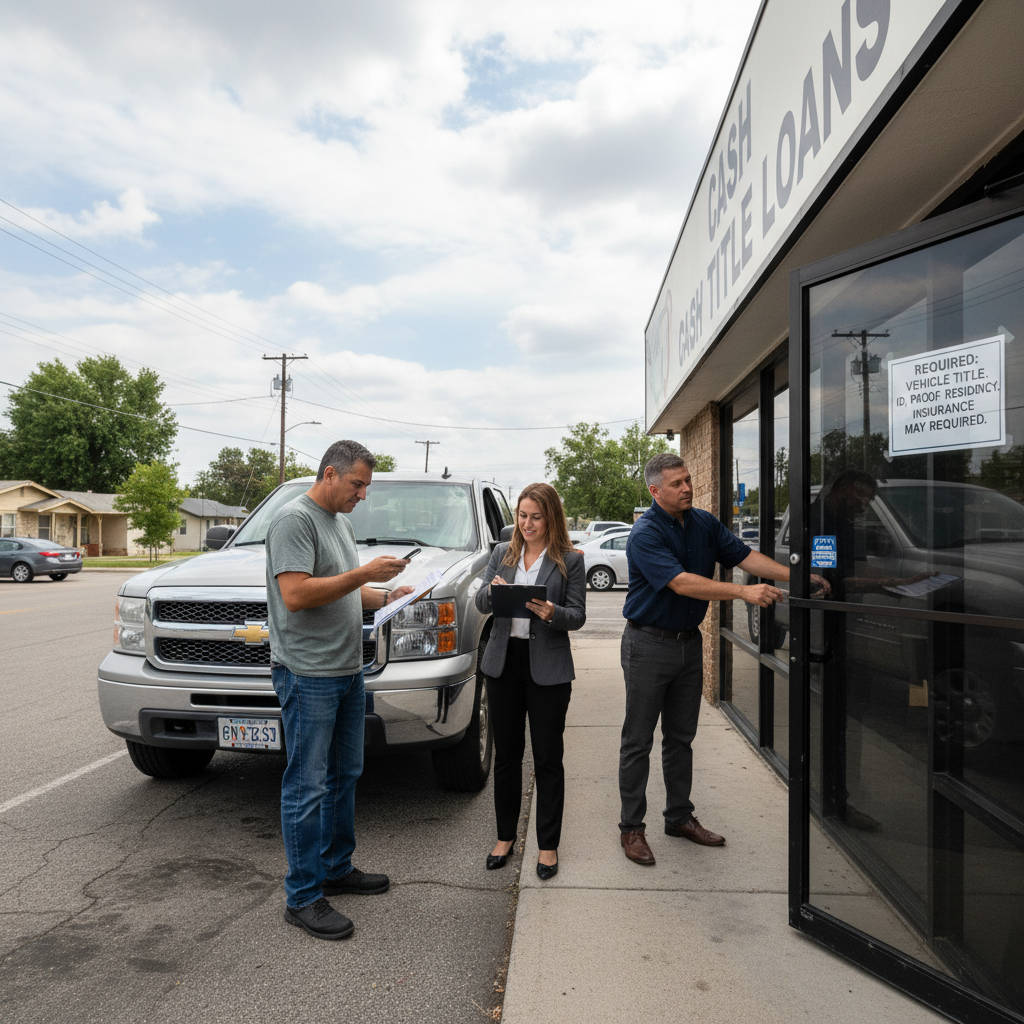
Title loans are secured loans where the vehicle title is used as collateral. This means that you can leverage the equity in your vehicle to obtain a loan, usually with a quick approval process. Title loans can be appealing for individuals who may not have access to traditional credit avenues or who require fast cash for emergencies. However, they typically come with higher interest rates compared to traditional loans, often exceeding 25% or more depending on the lender and state regulations. This is due to the increased risk taken on by lenders, given the short-term nature and the target demographic of borrowers who may have poor credit histories.
The process usually involves a straightforward application where the vehicle’s value is assessed, and the borrower must provide the title as collateral. If the borrower defaults on the loan, the lender has the right to repossess the vehicle, which is a significant risk to consider. Therefore, while title loans can be a quick solution to financial difficulties, it is crucial to understand the terms and conditions fully before proceeding.
The Role of Insurance in Title Loans
Many lenders require proof of insurance to protect their investment in case of accidents or theft. This insurance coverage acts as a safety net for lenders, ensuring that the value of the vehicle is preserved even if unforeseen events occur. Additionally, having adequate insurance can also affect the loan amount you qualify for; lenders often assess the vehicle’s value and the insurance coverage when determining how much they are willing to lend.
For instance, if your vehicle is adequately insured, a lender may be more inclined to offer a higher loan amount because they know that their collateral is protected. Conversely, if you lack insurance, lenders may perceive a higher risk and adjust the terms of the loan accordingly, potentially resulting in lower loan amounts and higher interest rates. It’s essential to understand that the requirement for insurance varies significantly among lenders, and researching individual policies is crucial.
Options for Borrowers Without Insurance
Some lenders may offer loans without requiring proof of insurance, though terms might be stricter. For instance, you may encounter lenders who specialize in providing title loans for individuals without insurance, but these loans often come with higher interest rates and less favorable terms. It’s advisable to explore local lenders who may have more flexible criteria.
Online platforms are also a viable option, where various lenders may compete for your business, potentially leading to more favorable terms. However, be cautious when dealing with online lenders; always verify their legitimacy and read reviews from previous borrowers. Additionally, some credit unions or community banks may offer title loans with less stringent insurance requirements, making them a good alternative for borrowers in need.
Risks of Taking a Title Loan Without Insurance
Without insurance, you risk losing your vehicle if it’s damaged or stolen, which could lead to severe financial consequences. In the unfortunate event of an accident or theft, you would be responsible for the remaining loan balance without the asset to cover it. This scenario can lead to a cycle of debt, where you may find yourself struggling to repay the loan while dealing with the loss of your vehicle.
Moreover, you might face higher interest rates or unfavorable terms from lenders who are willing to provide loans without insurance. Lenders may view you as a higher-risk borrower and implement stricter repayment terms, which could include shorter loan durations, higher monthly payments, or additional fees. Thus, while it is possible to secure a title loan without insurance, the associated risks and potential financial pitfalls warrant careful consideration.
How to Improve Your Chances of Approval
To enhance your chances of approval for a title loan, consider getting basic insurance coverage to meet lender requirements. Even a minimal policy that covers liability can demonstrate to lenders that you are taking steps to protect their investment, which could improve your loan terms. In many cases, the cost of obtaining insurance may be significantly lower than the potential costs associated with a loan lacking insurance.
Additionally, improving your credit score can also qualify you for better loan terms. Paying down existing debts, making timely payments, and correcting any inaccuracies in your credit report can go a long way in boosting your creditworthiness. Lenders may be more inclined to offer favorable terms if they see a responsible financial history, even if you are applying for a secured loan like a title loan.
Legal Considerations
It is essential to understand your state’s laws regarding title loans and insurance requirements. Each state has its regulations governing title loans, including maximum interest rates, loan terms, and whether insurance is mandatory. Familiarizing yourself with these laws can help you avoid predatory lending practices and ensure that you are fully informed about your rights as a borrower.
Knowing your rights is crucial; for example, you have the right to receive clear, transparent information about the loan terms and any fees involved. If you feel pressured into a loan or encounter terms that seem excessive, it may be worthwhile to seek advice from a financial advisor or legal professional who specializes in consumer finance.
Alternatives to Title Loans
If you find that title loans are not the best option for your financial situation, consider exploring personal loans or credit unions that may offer better rates and terms without insurance requirements. Credit unions, in particular, often have lower interest rates and may provide more personalized services to their members.
Another alternative could be borrowing from friends or family. While this option may feel uncomfortable, it could save you from high-interest rates and the risks associated with title loans. Establishing clear terms for repayment can help maintain the relationship and ensure that expectations are met on both sides.
Summarizing the key points, getting a title loan without proof of insurance is feasible, but comes with certain risks and limitations. It is essential to thoroughly research your options, understand the implications, and consider obtaining at least basic insurance to protect your vehicle and investment. If you’re ready to explore title loan options or need assistance finding a lender, take the next step today!
Frequently Asked Questions
Can I get a title loan without proof of insurance?
Yes, it is possible to obtain a title loan without proof of insurance, but it largely depends on the lender’s policies. Some lenders may require insurance as a condition for approval, while others may not. If you do find a lender that does not require insurance, be aware that the terms may not be as favorable, and the interest rates could be higher due to the increased risk for the lender.
What alternatives exist for title loans if I don’t have insurance?
If you don’t have insurance, alternatives to title loans include personal loans, payday loans, or borrowing from friends or family. Additionally, some credit unions and community banks offer loans with more flexible requirements, which could be a better option. Exploring these alternatives can help you avoid high-interest rates typically associated with title loans.
Why do lenders often require proof of insurance for title loans?
Lenders require proof of insurance for title loans to mitigate their risk. Insurance protects both the borrower and the lender; in the event of an accident or theft, the vehicle is covered, ensuring the lender can recover their investment. Without insurance, the lender faces a higher risk of losing the collateral, which is why they may impose this requirement.
How can I find title loan lenders that don’t require insurance?
To find title loan lenders that don’t require insurance, start by researching online lenders and local title loan companies. Look for reviews and compare the terms of multiple lenders to determine which ones have more lenient requirements. Additionally, contacting lenders directly to inquire about their policies can help you clarify if they accommodate borrowers without insurance.
What should I consider before applying for a title loan without insurance?
Before applying for a title loan without insurance, consider the potential risks and costs involved. Evaluate the interest rates, repayment terms, and any additional fees that may apply. It’s also crucial to assess your ability to repay the loan on time, as defaulting can lead to losing your vehicle. Understanding these factors will help you make an informed decision and avoid financial pitfalls.
References
- https://www.consumerfinance.gov/about-us/blog/title-loans-what-you-need-know/
- https://www.nolo.com/legal-encyclopedia/title-loans-what-you-need-know-32297.html
- https://www.nerdwallet.com/article/loans/title-loans
- https://www.military.com/join-armed-forces/title-loans.html
- https://www.usa.gov/every-reason-to-avoid-title-loans
- ConsumerReports.org – Page not found error – Consumer Reports