If you’re wondering whether you can secure a title loan despite having bad credit, the answer is yes. Many lenders offer title loans to individuals with poor credit histories, as these loans are secured by the value of your vehicle. This collateral reduces the lender’s risk, making it possible for borrowers with bad credit to access funds. However, it’s essential to understand the requirements and implications of taking out a title loan, especially as they pertain to your financial situation. In this article, you’ll learn about the requirements, how the process works, and what to consider before applying.
Understanding Title Loans
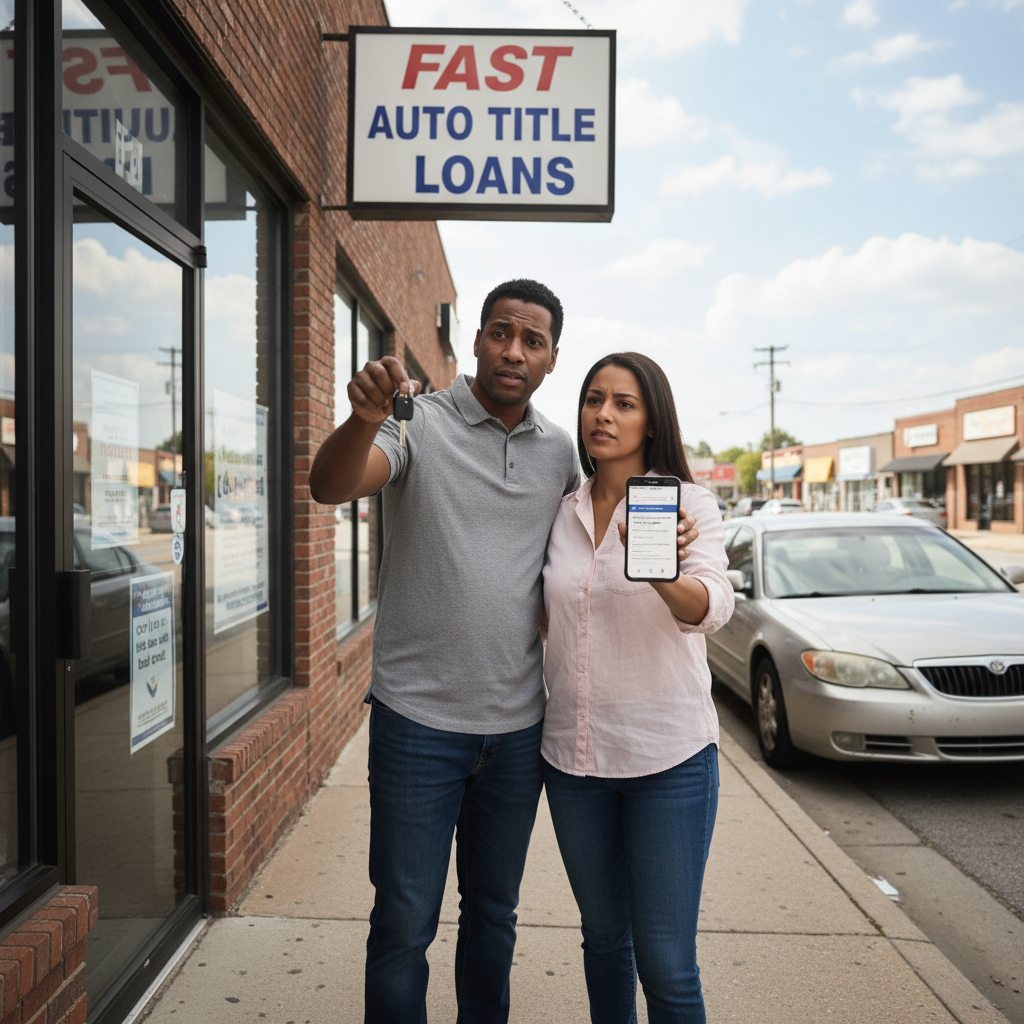
Title loans are a type of secured loan that allows you to borrow money by using your vehicle as collateral. The amount you can borrow typically depends on the appraised value of your vehicle, meaning that even if your credit history is less than stellar, you can still access capital based on what your car is worth. Title loans are commonly used for emergencies or unexpected expenses, such as medical bills or urgent home repairs.
However, it’s crucial to note that title loans often come with shorter repayment periods and higher interest rates compared to traditional loans. Most title loans require repayment within 30 days to a few months, and the interest rates can range from 25% to as high as 300% APR, depending on the lender and your state’s laws. This high cost can make title loans an expensive option, emphasizing the need for careful consideration.
Requirements for Title Loans
To qualify for a title loan, most lenders have specific requirements that you must meet. Firstly, you need to own your vehicle outright, meaning you do not have any existing loans against it. The vehicle must also be in good condition, as lenders will often conduct an appraisal to determine its value.
In addition to vehicle ownership, you will need to provide several documents, including proof of income, residency, and identification. Proof of income can be in the form of pay stubs, bank statements, or tax returns, demonstrating your ability to repay the loan. Residency can be verified through utility bills or lease agreements. Identification typically requires a government-issued photo ID, such as a driver’s license. Meeting these requirements is crucial to ensure a smoother loan approval process.
How Bad Credit Affects Title Loan Terms
While bad credit won’t disqualify you from obtaining a title loan, it can significantly influence the terms of the loan you receive. Lenders may offer you a lower loan amount based on their assessment of your creditworthiness, ultimately limiting the funds you can access. For instance, if your vehicle is worth $10,000, a lender might only offer you a loan amount of $4,000 due to your credit history.
Moreover, borrowers with poor credit may also face higher fees and interest rates. Lenders view individuals with bad credit as higher-risk borrowers, which often leads to stricter repayment terms. This can include reduced repayment periods or additional costs such as origination fees. Understanding how your credit impacts these factors is essential to making an informed decision.
Finding the Right Lender
Not all title loan lenders are created equal, particularly when it comes to accommodating individuals with bad credit. It’s imperative to conduct thorough research to find the right lender that suits your needs. Start by comparing rates, terms, and customer reviews from multiple lenders. Look for lenders who specialize in providing loans to those with bad credit, as they may offer more favorable terms or more flexible repayment options.
Additionally, consider local credit unions or community banks, which may have more lenient lending criteria compared to larger financial institutions. Online reviews and testimonials can also provide insights into customer experiences and help you make a well-informed choice.
Tips for Managing a Title Loan
Managing a title loan responsibly is crucial to avoid complications, such as losing your vehicle. Start by developing a repayment plan that outlines how you will meet your obligations. This plan should take into account your monthly income, expenses, and any potential changes in your financial situation.
It’s essential to consider your budget carefully and ensure that you can comfortably make payments without straining your finances. If you find that you are struggling to meet your payment schedule, communicate with your lender as soon as possible. Some lenders may offer options for loan extensions or refinancing, which could alleviate some of the financial pressure.
Alternatives to Title Loans
Before committing to a title loan, it’s wise to explore alternative options that may be less costly. Personal loans from banks or credit unions typically have lower interest rates and longer repayment terms. Furthermore, peer-to-peer lending platforms allow you to borrow from individuals rather than institutions, sometimes at better rates.
Additionally, consider looking into government programs or community assistance that offer financial help without the high-interest rates associated with title loans. Programs aimed at low-income families or individuals facing financial hardships may provide resources or funding that can help you navigate your situation more effectively.
Preparing for the Application Process
Once you have decided to proceed with a title loan, preparation is key. Gather all necessary documents ahead of time, including your vehicle title, proof of income, and identification. It’s also helpful to have detailed information about your vehicle ready, such as its make, model, year, and current condition. Some lenders may require a vehicle inspection to assess its value accurately.
Being organized and prepared will streamline the application process and demonstrate to potential lenders that you are a responsible borrower. This could positively influence their decision-making process and potentially improve your loan terms.
Securing a title loan with bad credit is possible, but it requires careful consideration and planning. By understanding the requirements, exploring your options, and preparing thoroughly for the application, you can navigate the process more effectively. Be diligent in comparing lenders and terms to ensure you make the best decision for your financial situation. If you’re ready to explore title loans, start by researching potential lenders and preparing your documentation today.
Frequently Asked Questions
Can I get a title loan with bad credit?
Yes, you can obtain a title loan even if you have bad credit. Title loans are secured loans that use your vehicle as collateral, which mitigates the risk for lenders. As a result, they often approve borrowers with poor credit histories who might struggle to secure traditional loans.
What documents do I need to apply for a title loan with bad credit?
To apply for a title loan with bad credit, you typically need to provide a few essential documents, including the vehicle title in your name, a valid government-issued ID, proof of income, and proof of residence. Some lenders may also require proof of insurance for the vehicle. Having these documents ready can streamline the application process.
How does a title loan work if I have bad credit?
A title loan works by allowing you to borrow against the equity in your vehicle, regardless of your credit score. When you apply, the lender assesses the vehicle’s value and determines how much you can borrow, usually a percentage of that value. If approved, you’ll need to hand over the title until you repay the loan, which typically has a short repayment period.
Why are title loans a good option for those with bad credit?
Title loans can be a good option for those with bad credit because they offer quick access to cash without the stringent credit checks required by traditional loans. Additionally, since the loan is secured by your vehicle, lenders are often more willing to approve applications, making it a viable solution for immediate financial needs.
What are the risks of getting a title loan with bad credit?
The primary risk of getting a title loan with bad credit is the potential for high interest rates and fees, which can lead to a cycle of debt if you’re unable to repay the loan on time. Additionally, if you default on the loan, the lender has the right to repossess your vehicle. It’s crucial to carefully consider your financial situation and explore alternative options before proceeding with a title loan.
References
- https://www.consumerfinance.gov/ask-cfpb/can-i-get-a-title-loan-with-bad-credit-answers-5110/
- https://www.nolo.com/legal-encyclopedia/title-loans-what-you-need-know-29784.html
- https://www.nerdwallet.com/article/loans/title-loans-guide
- https://www.urban.org/research/publication/title-loans-what-you-need-know
- https://www.thebalance.com/title-loans-4172135