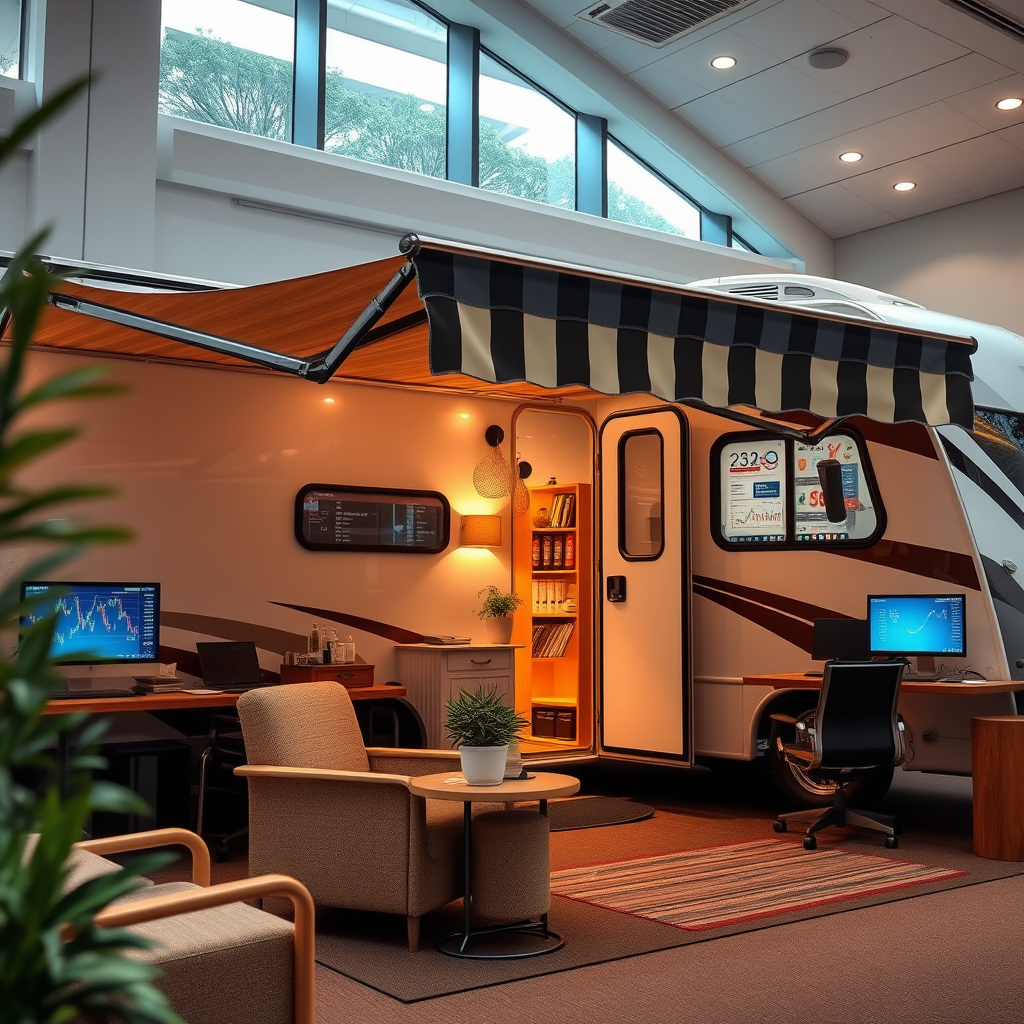

RV awnings are typically covered by insurance, but the specifics can vary by policy and provider. Understanding the nuances of your insurance coverage is essential to ensure that your investment in an RV awning is adequately protected. This article will explore what you need to know about your RV awning coverage, including common exclusions, types of policies, and tips for ensuring your investment is protected.
Understanding RV Awnings and Insurance Coverage
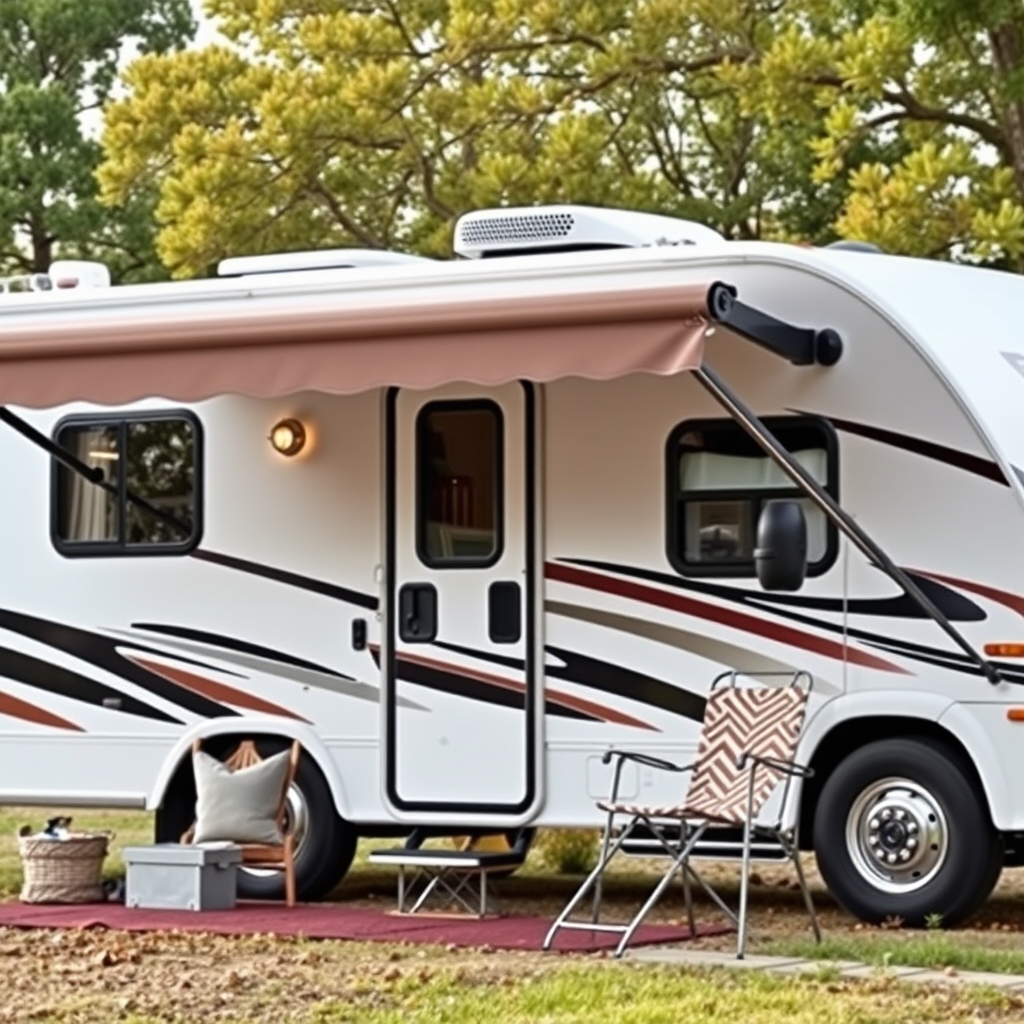
RV awnings are retractable coverings attached to the exterior of recreational vehicles, designed to provide shade and protection from the weather. They enhance the outdoor living space, making it more comfortable for activities like cooking, dining, or relaxing. Awnings come in various materials, including fabric and aluminum, and their purpose extends beyond aesthetics; they protect both the RV and its occupants from the sun’s harmful UV rays and adverse weather conditions.
When it comes to insurance, many RV owners may not realize that their awnings could be covered under their existing policies. Common insurance policies for RVs include comprehensive coverage, liability coverage, and collision coverage. Comprehensive coverage is designed to protect your RV from non-collision-related incidents, which may include vandalism, theft, or damage from natural disasters. Understanding the specifics of your insurance policy is vital; not all policies automatically include awnings, and their coverage can differ significantly among providers.
Types of RV Insurance Policies
When seeking insurance for your RV, it’s crucial to understand the distinctions between comprehensive and liability coverage. Comprehensive coverage protects your RV from various risks, including damage to awnings, while liability coverage primarily covers bodily injury and property damage you may cause to others in an accident.
For RV awnings, comprehensive coverage is essential, but the inclusion of awning protection may require specific endorsements. An endorsement is an addition to your insurance policy that modifies its coverage. Some providers offer specific awning coverage as an endorsement, giving you peace of mind that your investment in this essential accessory is safeguarded against potential damage.
Common Exclusions in RV Awnings Coverage
While many insurance policies cover RV awnings, several common exclusions exist that every RV owner should be aware of. One significant exclusion is weather-related damage, particularly from severe storms or high winds. Many policies may not cover awning damage caused by acts of nature unless you have specific endorsements that address this type of risk.
Additionally, negligence and wear-and-tear exclusions can apply to awnings. Most insurance providers will not cover damage resulting from a lack of maintenance, such as failing to remove the awning during inclement weather or ignoring signs of deterioration. This means that RV owners should regularly inspect their awnings and address any maintenance issues promptly to avoid potential claims being denied.
Factors Affecting Coverage for RV Awnings
Several factors can affect the coverage and cost of insurance for RV awnings. The age and condition of the awning play a significant role; older awnings may be more susceptible to damage and could affect the insurance premium. Insurers assess risk based on the likelihood of a claim being filed, so a well-maintained, newer awning may attract lower premiums than an older, worn one.
Different insurance providers also have varying criteria for assessing risk. Some may consider the frequency of RV use, geographical location, and even the type of awning material. Understanding how your provider evaluates risk can help you tailor your insurance policy for optimal coverage and cost-effectiveness.
Steps to Ensure Your Awning is Covered
To ensure your RV awning is adequately covered, the first step is to thoroughly review your insurance policy details. Look for specific mentions of awning coverage and any endorsements that may apply. If your policy lacks clarity, it is critical to contact your insurance provider for clarification. Ask specific questions about what is covered, under what circumstances, and what exclusions may apply.
Additionally, consider documenting the condition of your awning through photographs and maintenance records. This proactive approach not only supports your claims but also demonstrates your commitment to maintaining the awning, potentially leading to better coverage terms.
Making a Claim for Awning Damage
Should you experience damage to your RV awning, knowing how to file a claim efficiently is essential. Start by contacting your insurance provider to report the damage and initiate the claims process. Follow these steps for a successful claim:
1. Document the Damage: Take detailed photographs of the damage from various angles and gather any receipts for repairs or replacements.
2. Report the Claim: Contact your insurance provider to report the incident and provide them with the documentation you’ve compiled.
3. Follow Up: Keep a record of your communications with the insurance company, including dates, names, and reference numbers.
4. Get Estimates: Obtain estimates for repair or replacement costs from reputable service providers to submit alongside your claim.
By meticulously documenting the damage and following the claims process, you can improve your chances of a successful outcome.
Alternative Coverage Options for RV Awnings
If you find that your current insurance policy does not adequately cover your RV awning, several supplemental insurance options are available for RV owners. Some insurers offer specialized RV awning insurance, which can provide additional protection tailored specifically to these accessories.
Another option is to look into rider policies that can enhance your existing coverage. These riders typically cover specific risks that standard policies do not, such as damage from vandalism or certain weather-related incidents. By investing in supplemental insurance, you can ensure that your awning—and by extension, your overall RV experience—is protected.
In summary, understanding the coverage of RV awnings requires a comprehensive review of your insurance policy and awareness of the common exclusions that may apply. Engaging with your insurance provider for clarification can help ensure your RV awning is adequately protected. Taking proactive steps now to secure your investment will allow you to enjoy worry-free travels in your RV, knowing that you have safeguards in place for all aspects of your vehicle, including its essential awning.
Frequently Asked Questions
Are RV awnings covered by insurance under standard RV policies?
Yes, RV awnings are typically covered under most standard RV insurance policies, but coverage can vary based on the specific terms and conditions of your policy. It’s important to check your policy details, as some plans may classify awnings as part of the RV’s equipment or as separate entities. Additionally, if you have comprehensive coverage, it may cover damages due to theft, vandalism, or certain weather-related incidents.
What types of damage to RV awnings are usually covered by insurance?
Insurance coverage for RV awnings generally includes damages caused by weather events such as high winds, hail, or heavy snowfall. Most policies also cover damages resulting from accidents, such as backing into a tree or other objects. However, wear and tear or damages from neglect are typically not covered, so it’s crucial to maintain your awning properly to avoid claims denial.
How can I file an insurance claim for my damaged RV awning?
To file an insurance claim for your damaged RV awning, start by documenting the damage with clear photographs and detailed notes. Next, contact your insurance provider to report the claim, providing all necessary information, including your policy number and the details surrounding the damage. Following their specific claims process will ensure that you submit all required documentation for a successful claim.
Why might my RV awning be excluded from my insurance policy?
RV awnings may be excluded from certain insurance policies due to various factors, including the policy type, the age of the awning, or if the awning is considered an accessory rather than part of the RV structure. Additionally, some policies may have specific exclusions for certain types of coverage or may require additional riders for full protection. Always read your policy thoroughly and consult with your insurance agent to clarify coverage specifics.
What is the best way to protect my RV awning from damage to ensure insurance coverage?
To protect your RV awning from damage and ensure it remains covered by insurance, regular maintenance is essential. This includes cleaning the fabric, checking for tears, and ensuring the awning retracts completely when not in use. Additionally, during severe weather conditions, retracting the awning and using wind straps can help prevent damage, thus maintaining your awning in good condition and supporting your insurance claims in case of an incident.
References
- https://www.nolo.com/legal-encyclopedia/insurance-coverage-rvs-29723.html
- 404 – Page not found | III
- ConsumerReports.org – Page not found error – Consumer Reports
- https://www.insuremyrentalcar.com/blog/rv-insurance/
- https://www.rvtravel.com/rv-insurance-what-you-need-to-know/
- https://www.progressive.com/answers/rv-insurance-coverage/
- https://www.geico.com/more/life/insurance-coverage-for-your-rv/