

Boat insurance is not legally required in Colorado, but it is highly recommended for boat owners. While you may not face legal penalties for operating a boat without insurance, having a policy can protect you from significant financial loss and liability in the event of an accident or unforeseen incident. Understanding the nuances of boat insurance in Colorado will empower you to make informed decisions about your coverage needs. In this article, we will explore the requirements, benefits, and considerations surrounding boat insurance in Colorado, ensuring you are well-equipped to navigate this important aspect of boat ownership.
Understanding Colorado Boat Insurance Laws
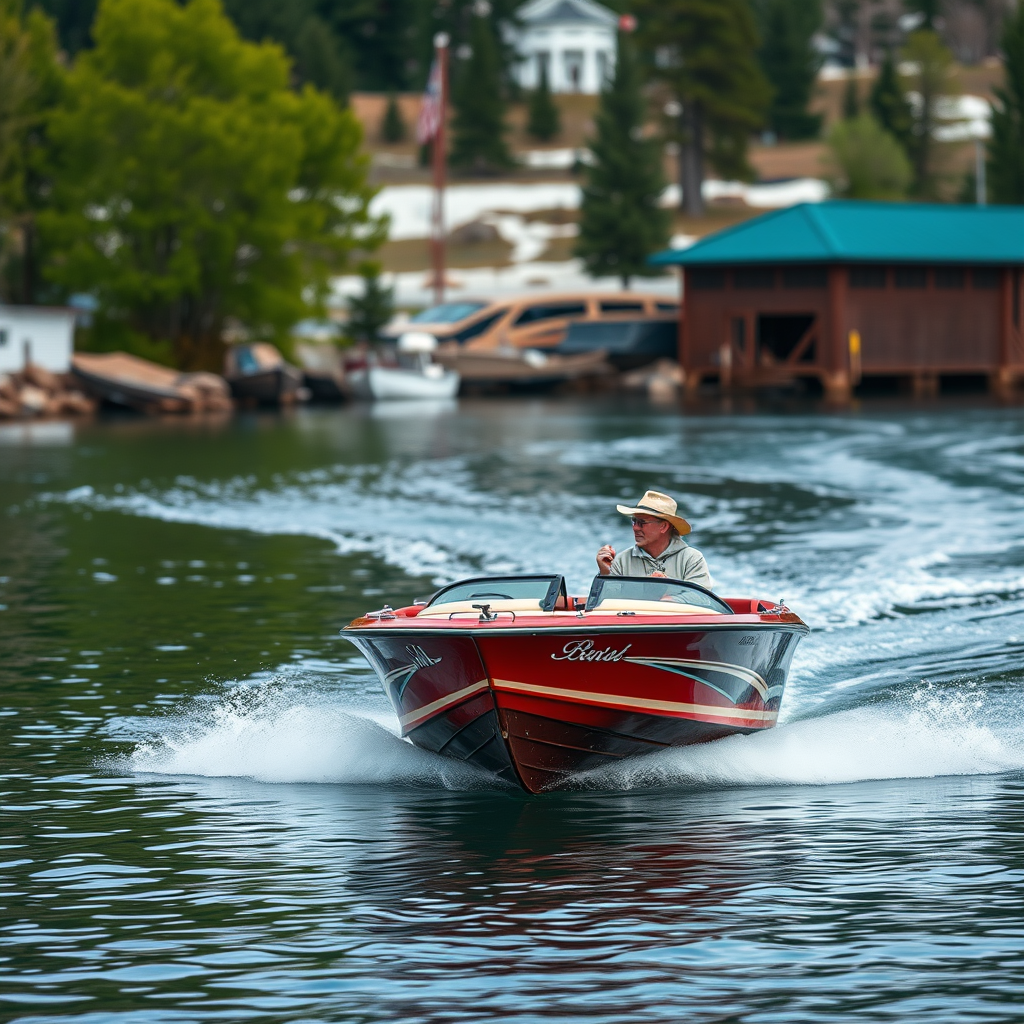
In Colorado, there is no legal requirement for boat owners to carry insurance, unlike the mandatory auto insurance laws that apply to motor vehicles. This means that you can legally operate a boat without obtaining an insurance policy. However, certain circumstances could necessitate having an insurance policy in place. For instance, if you plan to dock your boat at a marina, they may impose their own insurance requirements to protect their property and other boaters. Similarly, if you are financing the purchase of a boat, your lender will likely require you to maintain insurance coverage until the boat is paid off. This dual-layered perspective makes it essential for boat owners to understand both the legal landscape and the practical implications of not having insurance.
Benefits of Having Boat Insurance
Investing in boat insurance offers numerous advantages that extend beyond compliance with legal mandates. First and foremost, boat insurance provides financial protection against damages incurred by accidents, theft, or natural disasters. For example, if your boat sustains damage during a collision or is stolen from a marina, having insurance can cover repair or replacement costs, which can otherwise be exorbitant.
Moreover, liability coverage is a critical component of boat insurance. This coverage safeguards you in the event that you are held responsible for injuries or property damage to others while operating your boat. For instance, if a passenger is injured during a boating accident that you caused, liability insurance can help cover their medical expenses and any legal fees that may arise from a lawsuit. This aspect of insurance is particularly important as boating can involve risks that could lead to significant financial consequences.
Types of Boat Insurance Coverage
When considering boat insurance, it’s crucial to understand the various types of coverage available.
– Liability Coverage: This type of insurance protects you against claims from injuries or damages you cause while operating your boat. It typically covers legal fees, medical expenses, and damages awarded to injured parties, ensuring that you are not personally liable for these costs.
– Physical Damage Coverage: This coverage is essential for protecting your boat against damages resulting from accidents, theft, or natural disasters. It can include comprehensive coverage, which protects against non-collision incidents like vandalism or weather-related damage, and collision coverage, which covers damages from accidents with other vessels or stationary objects. Understanding these distinctions can help you choose the right coverage that aligns with your risk tolerance and boating habits.
Factors Influencing Boat Insurance Costs
Several factors contribute to the cost of boat insurance premiums in Colorado. The type and size of your boat play a significant role; larger and more expensive vessels typically incur higher insurance costs due to the greater financial risk associated with them. For example, a high-performance speedboat may attract higher rates compared to a small sailboat due to the increased likelihood of accidents.
Your boating experience and safety record are also critical considerations. Insurers often assess your history as a boat operator, looking for any previous claims or accidents. A clean record can lead to lower premiums, while a history of incidents may result in higher rates. Additionally, where you live and the specific waters you navigate may influence your rates, as some areas may have higher accident rates or weather-related risks.
Choosing the Right Insurance Provider
Selecting the right insurance provider is crucial for securing the best coverage and rates for your needs. Start by researching multiple insurers to compare their offerings. Look for companies that specialize in marine insurance, as they often have tailored products that address the unique risks associated with boating.
When evaluating potential insurers, consider reading customer reviews and examining their ratings with organizations such as the Better Business Bureau. This can provide insight into their customer service quality and claims handling processes. A provider that is responsive and supportive during claims can make a significant difference when you need to file a report after an incident. Additionally, discussing your coverage needs with an insurance agent can help clarify which policies best suit your situation.
Common Misconceptions About Boat Insurance
There are several misconceptions surrounding boat insurance that can lead to confusion among boat owners. One prevalent belief is that homeowner’s insurance covers boat damage. While some policies may provide limited coverage for small boats, they often do not offer the comprehensive protection needed for larger vessels or those used for commercial purposes. It’s essential to review your homeowner’s policy and consult with your insurance agent to understand what is and isn’t covered.
Another common misconception is that small, infrequently used boats do not require insurance. While it may seem unnecessary to insure a small dinghy that is rarely taken out, any boat can encounter risks, including theft or damage while stored. Therefore, even for less frequently used vessels, obtaining insurance can provide peace of mind and financial protection.
Steps to Take if You Decide to Get Boat Insurance
If you determine that boat insurance is the right choice for you, the next steps involve assessing your coverage needs and gathering information for quotes. Start by evaluating your boating habits, including how often you use your boat, the type of activities you engage in, and the waters you navigate. This assessment will help you identify the appropriate level of coverage.
Next, gather quotes from various insurance providers to compare rates and coverage options. Be sure to ask about any discounts available for safety courses or bundling policies. Once you have collected this information, review each policy carefully, paying attention to coverage limits, deductibles, and any exclusions. Making an informed decision will ensure that you choose the best policy to protect your investment and provide adequate liability coverage.
Having a clear understanding of boat insurance in Colorado is essential for any boat owner. Although it’s not legally required, securing a policy can provide peace of mind and financial protection. By understanding the laws, benefits, types of coverage, and factors influencing costs, you can make informed decisions tailored to your specific needs. If you’re considering purchasing boat insurance, start by researching your options today to ensure you have the coverage that best fits your needs.
Frequently Asked Questions
Is boat insurance required by law in Colorado?
In Colorado, boat insurance is not legally mandated for all types of watercraft. However, if you finance your boat or it is registered in a marina, lenders and marina owners may require you to carry insurance to protect their interests. It’s essential to check with your lender and local regulations to ensure compliance with any specific insurance requirements.
What types of boat insurance are available in Colorado?
In Colorado, there are several types of boat insurance policies you can choose from, including liability coverage, which protects against bodily injury and property damage to others, and physical damage coverage, which covers repairs to your boat after an accident. Additional options include comprehensive coverage for theft and vandalism, uninsured boater coverage, and personal effects coverage for your belongings on board. Tailoring your policy to fit your specific boating needs can provide the best protection.
How can I determine the right amount of boat insurance coverage for my needs?
To determine the right amount of boat insurance coverage in Colorado, assess the value of your boat, the type of boating activities you engage in, and your personal financial situation. Consider factors such as how often you use the boat, where you store it, and whether you’ll be on crowded waters. Consulting with an insurance agent who specializes in marine policies can also help you find the right balance between coverage and cost.
Why should I consider getting boat insurance even if it’s not required in Colorado?
Even though boat insurance is not required by law in Colorado, obtaining a policy can protect you from significant financial loss due to accidents, theft, or damage. Insurance can cover repair costs, medical expenses for injuries, and liability claims from damages caused to others. Additionally, having insurance provides peace of mind while you enjoy recreational boating, knowing you are financially protected.
Which factors affect the cost of boat insurance in Colorado?
The cost of boat insurance in Colorado can vary based on several factors, including the type and size of the boat, its age, your boating experience, and your claims history. Other considerations include the coverage limits you choose and any additional endorsements. Additionally, where you primarily operate your boat can influence premiums, as certain areas may pose higher risks for accidents or theft. Comparing quotes from different insurers can help you find the best rate for your specific needs.
References
- DORA HOME | Department of Regulatory Agencies
- DORA HOME | Department of Regulatory Agencies
- https://www.nolo.com/legal-encyclopedia/boat-insurance-coverage-29631.html
- Take your Colorado Boating License & Safety Course | Boat-Ed
- https://www.insurance.wa.gov/boat-owners-insurance-facts
- Home – NASBLA
- https://www.nationalaglawcenter.org/assets/articles/kendall_boatinsurance.pdf