

Insurance for hot shot trucking typically ranges from $3,000 to $5,000 annually, depending on various factors such as the type of cargo, driving record, and coverage levels. Understanding the nuances of hot shot trucking insurance is crucial for operators to ensure they are adequately protected while also managing their costs effectively. In this article, you will learn about the different types of insurance available, factors affecting costs, and tips for finding the best rates.
Understanding Hot Shot Trucking Insurance
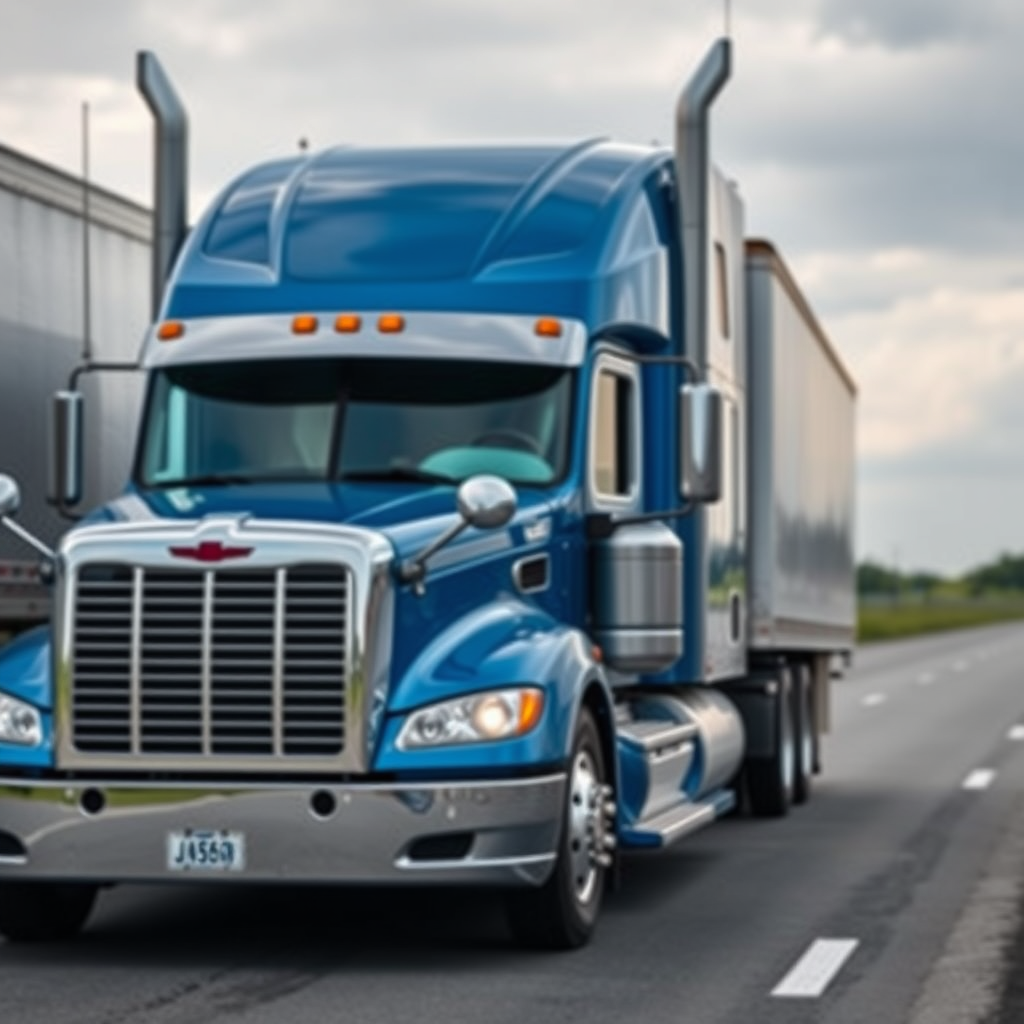
Hot shot trucking requires specific insurance coverage to protect drivers and cargo, given its unique operational dynamics. Unlike traditional trucking, hot shot trucking often involves expedited deliveries of smaller loads, which can include anything from construction equipment to fragile items. As such, the insurance needs are tailored to address the risks associated with these types of deliveries.
Common types of insurance for hot shot trucking include:
– Liability Insurance: This is mandatory for all commercial trucking operations. It protects against third-party claims for bodily injury and property damage resulting from an accident where the hot shot truck driver is at fault. The minimum required coverage can vary by state but is typically set at $750,000 or $1,000,000.
– Cargo Insurance: This coverage is vital for protecting the freight being transported. It covers the loss or damage of cargo due to accidents, theft, or other unforeseen circumstances. For hot shot trucking, where loads can be particularly valuable, having adequate cargo insurance is essential to safeguard your investment.
– Physical Damage Coverage: This protects the truck and any attached trailers from damages caused by accidents, theft, or natural disasters. Given the high costs associated with truck repairs and replacements, this coverage is often recommended for hot shot truckers.
Factors Influencing Insurance Costs
Several factors can significantly influence the cost of insurance premiums for hot shot trucking. Understanding these factors can help operators make informed decisions when selecting coverage.
– Type of Cargo: The nature of the cargo being transported plays a crucial role in determining insurance rates. High-value or hazardous materials often come with higher premiums due to the increased risk involved. For instance, transporting electronics or medical supplies may require more comprehensive coverage compared to general freight.
– Driver’s Experience and Accident History: Insurers assess the experience level of the driver and their accident history when determining premiums. A driver with a clean driving record and several years of experience may qualify for lower rates, while a history of accidents or traffic violations could lead to significantly higher premiums.
– Business Operations: The frequency and distance of trips can also affect insurance costs. Operators engaged in long-haul trips or frequent interstate travel may face different rate structures compared to those who primarily operate locally. Additionally, the size of the fleet and the number of drivers can influence overall insurance costs.
Types of Coverage for Hot Shot Trucking
Understanding the various types of coverage available is essential for any hot shot trucking business to mitigate risks effectively.
– Liability Insurance: As previously mentioned, liability insurance is a legal requirement and provides essential coverage against claims from third parties. Not only does it protect the driver, but it also safeguards the business against potential lawsuits.
– Cargo Insurance: For hot shot trucking operations that transport valuable or sensitive loads, cargo insurance is not just recommended; it is often essential. Policies can be tailored based on the types of goods transported and the specific risks associated with them. For example, if your business frequently carries fragile items, you might want to consider a policy that offers broader coverage options.
– Physical Damage Coverage: This coverage can be a lifesaver in cases of accidents, vandalism, or natural disasters. It typically includes collision coverage, which covers damage caused by accidents, and comprehensive coverage, which protects against non-collision-related incidents. Given the substantial investment in vehicles, having physical damage coverage is advisable.
Comparing Insurance Quotes
When seeking insurance for hot shot trucking, it is crucial to gather quotes from multiple providers to find competitive rates. Here are some steps to ensure you get the best deal:
– Shop Around: Reach out to various insurance companies and request quotes. Make sure to provide consistent information to each provider to ensure you’re comparing similar coverage levels and limits.
– Specialized Providers: Look for companies that specialize in hot shot trucking insurance. Such providers often understand the unique risks associated with this niche and can offer tailored coverage options that standard insurers might overlook.
– Evaluate Policy Details: Don’t just focus on the price; carefully evaluate the details of each policy. Look for coverage limits, deductibles, and exclusions that could affect your level of protection.
Tips for Reducing Insurance Premiums
Reducing insurance premiums can significantly improve the profitability of a hot shot trucking business. Here are some practical tips:
– Maintain a Clean Driving Record: A consistent record of safe driving can qualify you for discounts. Consider enrolling in defensive driving courses to enhance your skills and demonstrate your commitment to safety.
– Increase Deductibles: By opting for higher deductibles, you can lower your monthly premiums. However, ensure that your business can afford to pay the deductible in the event of a claim.
– Utilize Telematics: Installing telematics devices can help monitor driving behaviors. Many insurance companies offer discounts for drivers who demonstrate safe driving patterns, as telematics can provide data on speed, braking, and overall driving habits.
Additional Considerations
In addition to the previously mentioned factors, it’s essential to be aware of state-specific insurance requirements that may affect costs. Each state has its own regulations regarding minimum coverage limits and types of required insurance, so understanding these can help you avoid penalties and ensure compliance.
Regularly reviewing and updating your policy is equally important as your business evolves. As you expand your operations, take on new clients, or diversify your cargo types, your insurance needs may change. Ensuring that your coverage reflects your current business model will protect you from potential liability issues.
Summarizing the insurance costs for hot shot trucking can help you budget effectively and protect your investment. By understanding the factors that influence rates and exploring various coverage options, you can make informed decisions. Take the next step by comparing quotes from multiple providers to secure the best insurance for your hot shot trucking business.
Frequently Asked Questions
How much does insurance for hot shot trucking typically cost?
The cost of insurance for hot shot trucking can vary widely, typically ranging from $3,000 to $12,000 annually. Factors influencing the price include the type and amount of coverage, the driver’s experience, the size of the truck, and the geographical area of operation. It’s essential to shop around and get quotes from multiple insurers to find the best rates tailored to your specific hot shot trucking needs.
What types of insurance do I need for hot shot trucking?
As a hot shot trucker, you typically need several types of insurance, including liability insurance, cargo insurance, and physical damage coverage. Liability insurance protects you against claims for bodily injury or property damage, while cargo insurance covers the goods you’re transporting. Physical damage coverage safeguards your truck and trailers against damage from accidents or theft, ensuring comprehensive protection for your business.
Why is insurance for hot shot trucking so essential?
Insurance for hot shot trucking is crucial because it protects you from potential financial losses due to accidents, cargo damage, or legal claims. Without adequate insurance, you could face significant out-of-pocket expenses that could jeopardize your business. Additionally, many shippers and freight brokers require proof of insurance before they will contract with a hot shot trucking service, making it a vital component of your operational credibility.
Which factors affect the insurance rates for hot shot trucking?
Several factors can influence insurance rates for hot shot trucking, including the driver’s experience level, the type of cargo being transported, the age and condition of the truck, and the geographical area of operation. Additionally, a solid safety record and the amount of coverage you select can significantly impact your premiums. Understanding these elements can help you make informed decisions when seeking insurance quotes.
How can I lower my hot shot trucking insurance premiums?
To lower your hot shot trucking insurance premiums, consider increasing your deductible, which can lower your monthly payments. Additionally, maintaining a clean driving record, completing safety training programs, and bundling your insurance policies with a single provider can lead to discounts. Regularly reviewing and comparing quotes from different insurance companies also helps ensure you’re getting the best rates for your coverage needs.
References
- https://www.truckinginfo.com/10121199/how-to-reduce-your-trucking-insurance-costs
- Commercial Driver’s License Program | FMCSA
- https://www.nolo.com/legal-encyclopedia/trucking-insurance-29551.html
- https://www.insurancejournal.com/news/national/2021/12/20/652502.htm
- https://www.truckinfo.net/trucking-insurance-guide/
- https://www.trucking.org/news/2023/02/27/the-impact-of-insurance-costs-on-the-trucking-industry