

Yes, the age of your roof can significantly affect your insurance rates, as older roofs are often viewed as higher risk by insurers. Insurance companies typically associate aging roofs with a greater probability of leaks, damage, and the need for repairs or replacements, which can lead to increased premiums. Understanding the relationship between your roof’s age and your insurance costs is crucial for homeowners looking to manage their expenses effectively. In this article, we will explore how roof age influences premiums, the factors insurers consider, and actionable steps you can take to potentially lower your rates.
Understanding Insurance Premiums and Roof Age
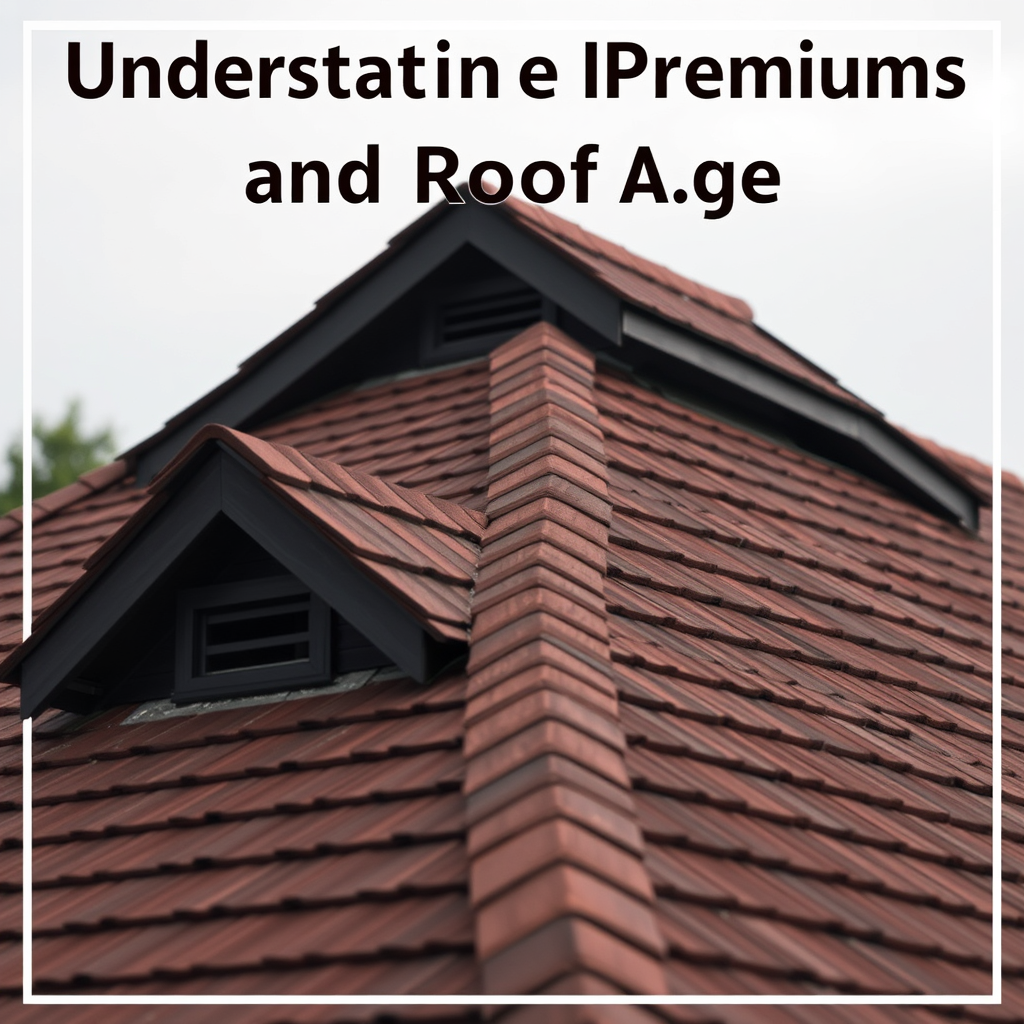
Insurance companies assess risk based on various factors, including the condition and age of your roof. Generally, an older roof is perceived as a higher risk since it may be more susceptible to damage from severe weather, wear and tear, or other unforeseen issues. For example, a roof that is over twenty years old might be assessed as needing imminent repairs or replacement, which can raise the likelihood of a claim. Consequently, insurers may increase premiums to compensate for this heightened risk.
When evaluating roof age, insurers often classify roofs into different categories based on their lifespan. For instance, asphalt shingles typically last about 20-25 years, while metal roofs can last 40 years or longer. If your roof is approaching or has surpassed its expected lifespan, you may find that your insurance premiums reflect that risk. This is particularly important for homeowners in geographic areas prone to severe weather conditions, as the likelihood of roof damage increases with age.
Factors Insurers Consider Beyond Roof Age
While the age of the roof is a significant factor, insurers also evaluate other criteria that can influence your insurance rates. The materials used in the roofing system play a crucial role; for instance, a metal roof is generally considered more durable than an asphalt shingle roof. Insurers may offer lower premiums for homes with roofs made of materials that are better equipped to withstand adverse weather conditions.
Additionally, the overall condition of the roof is taken into account. A roof that has been well-maintained and shows minimal signs of wear and tear may not incur the same premium increase as a neglected roof of the same age. Geographic location is another vital element in this assessment. For example, homes situated in areas with frequent hailstorms or hurricanes may face higher premiums, regardless of the roof’s age, due to the increased risk of damage.
Furthermore, the roof’s pitch, drainage system, and ventilation can also affect insurance rates. A properly designed roof that prevents water accumulation and allows for proper airflow will likely be viewed more favorably by insurers.
The Role of Roof Maintenance in Insurance Rates
Regular maintenance is critical in extending the lifespan of your roof and demonstrating responsibility to insurers. Homeowners who invest in routine inspections, cleaning, and repairs can mitigate potential issues before they escalate into costly problems. For example, clearing debris from gutters or conducting minor repairs can prevent water damage and add years to the lifespan of your roof.
Documenting all maintenance activities can be beneficial when discussing your insurance policy with agents. Keeping records of inspections, repairs, and any upgrades made to the roof can help illustrate your commitment to maintaining the property. This documentation may not only help in negotiating better rates but could also provide leverage in the event of a claim, as insurers might view a well-maintained roof as a lower risk.
Additionally, some insurance companies offer incentives or discounts for homeowners who proactively maintain their roofs. It’s advisable to inquire with your insurance provider about any such programs that may be available, as they can lead to significant savings on premiums.
How to Check Your Roof’s Age
Determining the age of your roof is essential for understanding its implications on your insurance rates. Homeowners can find the age of their roof through several avenues, such as reviewing building permits, home inspection reports, or even by consulting a roofing contractor. Building permits can provide the installation date, while home inspection reports may contain notes regarding the roof’s condition and age.
If the original documentation is unavailable, a roofing contractor can perform an assessment to estimate the roof’s age based on its condition and the materials used. Knowing the exact age of your roof can empower you in discussions with your insurance agent, as it allows you to present accurate information and potentially negotiate better terms.
Options for Homeowners with Older Roofs
If your roof is aging and you are concerned about its impact on your insurance rates, there are several options to consider. One of the most effective actions is to evaluate the possibility of roof replacement or upgrades. Investing in a new roof or upgrading to more durable materials can not only enhance the safety and aesthetics of your home but may also lead to lower insurance premiums. Many insurance providers offer discounts for homes with modern, durable roofing systems.
Another viable approach is to shop around for insurance quotes from different providers. Since various companies assess roof age differently, obtaining multiple quotes can help you find a policy that offers better coverage at a competitive price. Some insurers may place less emphasis on roof age if other aspects of the property are well-maintained or if you have a strong claims history.
Additionally, consider exploring insurance policies that cater specifically to older homes. Some companies specialize in insuring properties with aging roofs and may provide coverage options that are more favorable than general homeowners insurance policies.
The Importance of Accurate Information
Providing your insurer with the most accurate and up-to-date information regarding your roof is crucial. Misrepresentation of your roof’s age or condition can lead to denied claims or policy cancellations, resulting in significant financial repercussions. Always ensure that you communicate openly with your insurance agent, informing them of any repairs, maintenance, or upgrades that may affect your policy.
Moreover, if you make any changes to your roofing system, such as a replacement or significant repair, be sure to update your insurer promptly. Keeping your insurance provider informed not only maintains transparency but also ensures that you have the appropriate coverage in place, reducing the risk of complications when filing a claim.
In summary, while the age of your roof does play a crucial role in determining your insurance rates, it is merely one of many factors that insurance companies consider. By understanding how insurers assess risk and taking proactive steps, such as regular maintenance and accurate communication, you can work towards minimizing the impact of your roof’s age on your premiums. Consider speaking with your insurance agent to discuss your options and ensure you’re getting the best coverage tailored to your situation.
Frequently Asked Questions
How does the age of my roof influence my home insurance rates?
The age of your roof is a significant factor in determining your home insurance rates because older roofs are generally seen as more susceptible to damage and leaks. Insurance companies often perceive homes with aging roofs as higher risk, which can lead to increased premiums. Additionally, if your roof is nearing the end of its expected lifespan, insurers might charge a premium or even deny coverage altogether, prompting homeowners to consider roof replacement.
What is the typical lifespan of a roof, and how does it affect insurance?
The typical lifespan of a roof varies depending on the material; asphalt shingles last around 20-25 years, while metal roofs can last 40 years or more. As roofs age, they may require more frequent repairs or replacements, leading insurers to adjust rates based on potential claims. It’s essential to keep your roof well-maintained and to consider a replacement before it reaches its lifespan limit to avoid higher insurance costs.
Why do insurance companies care about the condition of my roof?
Insurance companies are primarily concerned with the condition of your roof because it directly impacts the likelihood of a claim being filed. An older or poorly maintained roof is at a higher risk of sustaining damage from weather events like storms or heavy snowfall, which can lead to costly repairs. By assessing the roof’s condition, insurers can better evaluate the overall risk and set appropriate premiums to mitigate potential losses.
Can I lower my insurance rates by replacing my old roof?
Yes, replacing your old roof can potentially lower your insurance rates. Many insurance companies offer discounts for homes with newer roofs that meet specific safety and durability standards. By investing in a roof replacement, you not only enhance your home’s value and curb appeal but also improve your chances of securing lower insurance premiums, making it a financially beneficial decision.
Which types of roofing materials are most favorable for insurance rates?
Roofing materials that are considered durable and resistant to weather damage, such as metal, tile, or slate, are often viewed favorably by insurance companies. These materials tend to last longer and require fewer repairs, which can lead to lower insurance premiums. When discussing roof replacement options with your insurer, consider materials that not only fit your budget but also provide benefits in terms of insurance cost savings.
References
- https://www.npr.org/2021/06/09/1004154566/home-insurance-costs-are-rising-heres-why
- 404 – Page not found | III
- https://www.valuepenguin.com/homeowners-insurance-roof-age
- https://www.insuranceinfo.org/insurance-overview/homeowners-insurance
- https://www.nerdwallet.com/article/home-insurance/home-insurance-costs
- https://www.thebalance.com/what-affects-homeowners-insurance-rates-2645461