

Understanding whether boat insurance covers a blown engine can be crucial for boat owners. Generally, standard boat insurance policies do not cover mechanical failures like a blown engine. However, this can vary depending on the policy and additional coverage options available. It is essential for boat owners to be aware of their specific policy details, as well as the factors influencing coverage, to effectively protect their investment and navigate potential issues that may arise.
Understanding Boat Insurance Policies
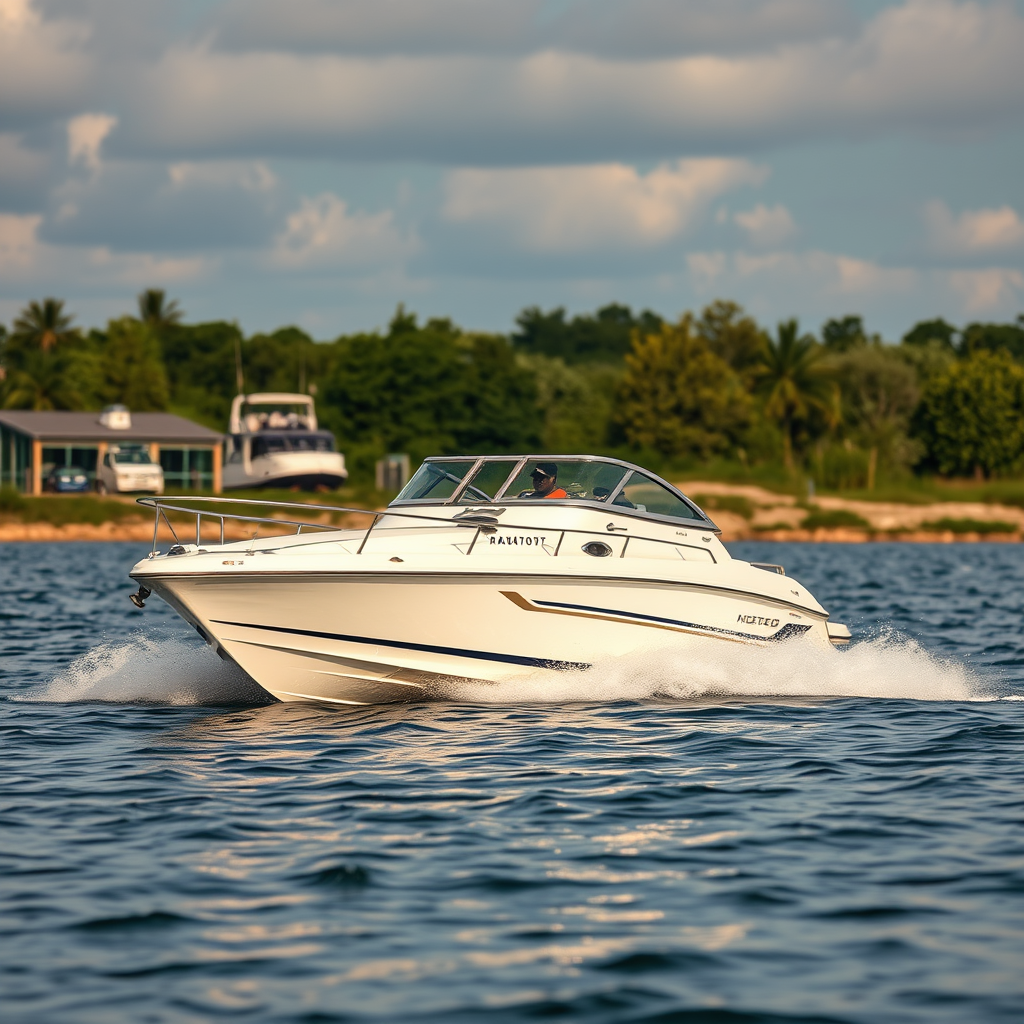
Boat insurance is designed to protect boat owners from various liabilities and damages associated with boat ownership. Typically, a standard boat insurance policy includes three main components: liability coverage, physical damage coverage, and additional coverage options. Liability coverage safeguards against claims arising from bodily injury or property damage caused by your boat, while physical damage coverage protects your vessel against risks such as theft, vandalism, and accidents.
However, the specifics of these policies can differ widely between insurers. Some policies may have broader coverage options, while others may include numerous exclusions. For instance, while some boat insurance policies provide coverage for certain types of watercraft incidents, they may specifically exclude mechanical failures, including blown engines. It is crucial for boat owners to thoroughly review their policy documents, paying close attention to the fine print, to understand the scope of their coverage and identify any potential gaps.
Coverage for Mechanical Failures
When it comes to mechanical failures, most standard boat insurance policies explicitly exclude coverage for incidents like a blown engine. This means that if your engine fails due to wear and tear or lack of maintenance, you may find yourself responsible for the full repair cost. Insurers typically consider mechanical breakdowns as part of the normal maintenance responsibilities of the boat owner, which is why they are often not covered.
However, some insurance providers recognize the importance of comprehensive coverage and offer specialized options for engine failures as an add-on to standard policies. This coverage may include repair or replacement costs associated with a blown engine, provided that the failure was not due to negligence or poor maintenance practices. For boat owners seeking peace of mind, it may be worth inquiring about these add-ons when securing a policy or during annual renewals.
Factors That Affect Coverage
Several factors can influence whether coverage for a blown engine is available under your boat insurance policy. One of the most significant is the age and condition of the engine at the time of the incident. Insurers often scrutinize the maintenance history of the engine and the overall condition of the vessel. If an engine has been poorly maintained or is significantly aged, the insurer may deny coverage for mechanical failures, arguing that the owner failed to uphold their responsibility to maintain the boat properly.
Additionally, having a comprehensive maintenance record can be beneficial when filing a claim. Documenting regular checks, repairs, and maintenance can demonstrate to the insurer that you have been proactive in caring for your vessel. This documentation could potentially sway an insurer’s decision in your favor if a claim is filed for a blown engine. Therefore, maintaining detailed records of your boat’s upkeep is not only advisable but may also be critical in securing coverage when you need it most.
Types of Coverage to Consider
As a boat owner, it is essential to explore all available coverage options to ensure that your investment is adequately protected. Investigate whether your current policy includes options for engine breakdown coverage or mechanical failure coverage. Some insurers provide policies specifically tailored to offer protection for engine malfunctions, which can be a wise investment for those who rely heavily on their boats.
Furthermore, consider comprehensive coverage plans that may offer broader protection against various risks, including mechanical failures. These plans often provide more extensive benefits than standard policies and can include specialized protections for electrical failures, gear malfunctions, and other mechanical issues. When selecting a policy, it’s advisable to compare different options and consult with your insurance agent to tailor your coverage to your specific needs and boating habits.
Steps to Take After a Blown Engine
If you find yourself dealing with a blown engine, there are crucial steps you should take immediately to protect your interests. First and foremost, document the incident thoroughly. This includes taking photographs of the engine and any related components, as well as gathering any maintenance records that demonstrate your diligence in caring for the vessel. Such documentation can be invaluable when it comes to filing a claim.
Next, contact your insurance provider immediately to understand your options. Be prepared to provide them with all the necessary information and documentation to support your claim. The sooner you report the incident, the better your chances of navigating the claims process smoothly. Inquire specifically about the potential for coverage based on your policy details and the circumstances surrounding the engine failure.
Finding the Right Insurance Provider
Choosing the right insurance provider is critical in ensuring that you have the coverage you need for your boat. Research various insurance companies and their policies concerning engine coverage and other mechanical issues. Look for insurers that specialize in marine insurance, as they typically have a deeper understanding of the unique risks associated with boating.
Customer reviews and ratings can provide valuable insights into the satisfaction levels of policyholders, particularly regarding claims processes. A provider that is known for its customer service and efficient claims handling can make a significant difference in your experience, especially when it comes to navigating a blown engine or other mechanical failures.
In summary, while standard boat insurance may not cover a blown engine, there are options available for specialized coverage. It is essential for boat owners to carefully review their policy details and consult with their insurance provider to ensure they are adequately protected. By understanding the nuances of boat insurance, maintaining proper documentation, and exploring additional coverage options, you can safeguard your investment and enjoy your time on the water with confidence. If you’re unsure about your current coverage, now is the time to reassess and consider additional options that could protect your boat investment effectively.
Frequently Asked Questions
Does boat insurance typically cover a blown engine?
Boat insurance can vary widely between providers and policies, but generally, a blown engine may not be covered under standard liability insurance. Most boat insurance policies cover damages resulting from accidents, theft, and vandalism, while engine failure due to wear and tear or lack of maintenance is usually considered a maintenance issue, not an insurable event. It’s essential to review your specific policy and consult with your insurance agent to understand what is covered.
What should I do if my boat engine blows while on the water?
If your boat engine blows while on the water, the first step is to ensure everyone’s safety by assessing the situation and moving to a safe area if possible. You should then contact a marine towing service for assistance. It’s also advisable to document the incident and gather any evidence, as this can be helpful when filing a claim with your insurance provider. Lastly, check your boat insurance policy to see if engine repairs are covered.
How can I find out if my boat insurance covers engine failure?
To determine if your boat insurance covers engine failure, start by reviewing your policy documents, specifically the sections outlining coverage types and exclusions. Look for terms related to mechanical breakdown or engine failure. If the information is unclear, contact your insurance agent or company directly for clarification. They can provide you with detailed explanations of what is and isn’t covered, ensuring you have a clear understanding.
Why is it important to have comprehensive coverage for my boat?
Comprehensive coverage for your boat is crucial because it protects against a wider range of risks, including theft, fire, and accidental damage, which can occur unexpectedly. If your boat’s engine fails due to an incident covered by your comprehensive policy, you could potentially save thousands in repair costs. Additionally, comprehensive coverage often includes liability protection, which can shield you financially if you’re found responsible for damages to others.
What are the best practices for preventing engine failure on my boat?
To prevent engine failure on your boat, regular maintenance is key. This includes routine checks of oil levels, cooling systems, and fuel quality, as well as adhering to the manufacturer’s maintenance schedule. Additionally, ensure that you winterize your engine properly if you live in a cold climate and use high-quality fuel. Keeping a log of maintenance activities can also help you stay organized and catch any potential issues before they escalate into serious problems.
References
- https://www.boatinsurance.org/boat-insurance-coverage/
- https://www.nolo.com/legal-encyclopedia/what-boat-insurance-covers-29809.html
- https://www.insurance.wa.gov/boat-insurance-coverage-faqs
- 404 – Page not found | III
- ConsumerReports.org – Page not found error – Consumer Reports