

While having a fire hydrant nearby can potentially lower your insurance premiums, the extent of the discount varies by provider and location. The presence of a fire hydrant is an important factor for insurers, as it enhances firefighting capabilities, thereby reducing the risk of extensive property damage. This article delves into how fire hydrants influence insurance rates, the factors that affect discounts, and practical tips for maximizing your savings on premiums.
Understanding the Role of Fire Hydrants in Insurance
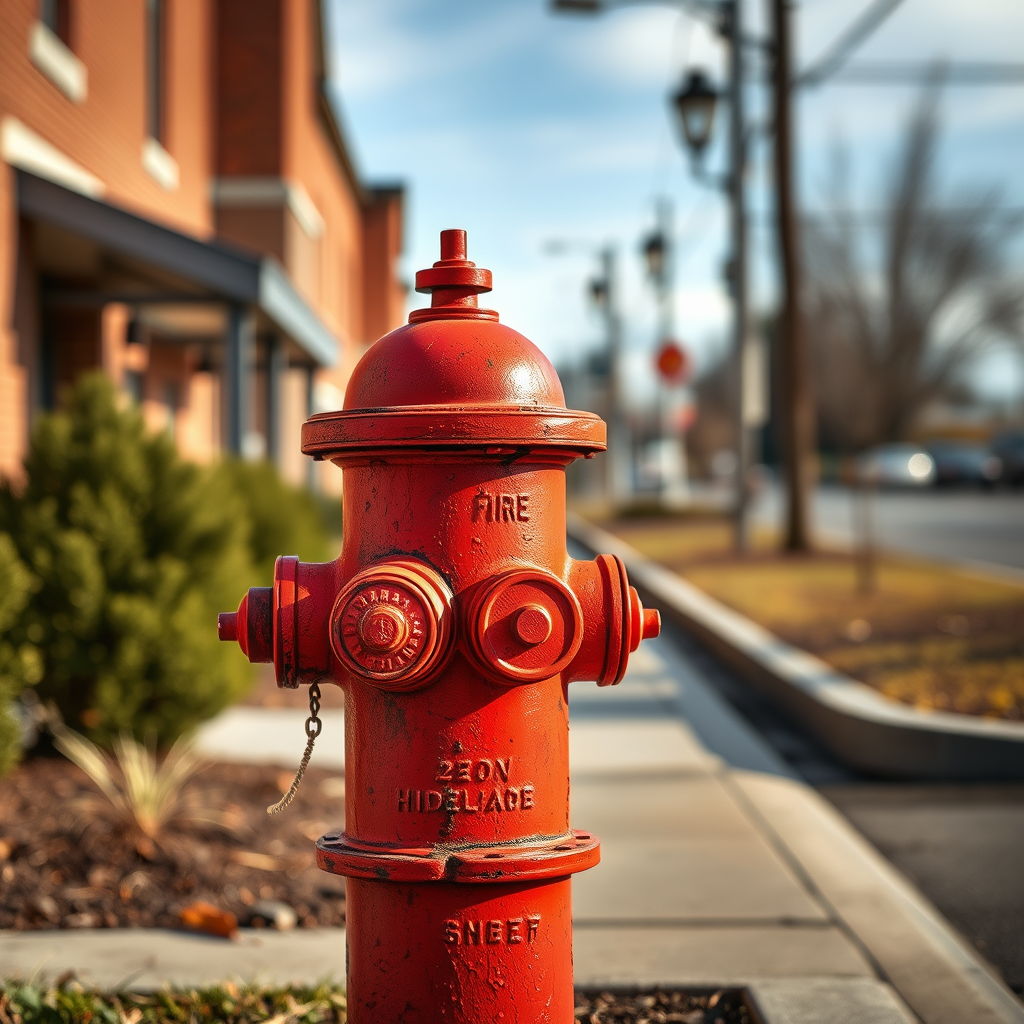
Fire hydrants are vital for effective firefighting efforts. They provide immediate access to water, enabling firefighters to control and extinguish fires more efficiently. This rapid response can significantly mitigate potential property damage, which is a primary concern for insurance providers. When assessing risk levels, insurers often consider the proximity of fire hydrants to a property, as properties that are closer to these water sources are generally viewed as less risky. The National Fire Protection Association (NFPA) emphasizes that timely access to water can reduce the severity of fire incidents, which in turn influences how insurers evaluate risk. Thus, a nearby fire hydrant can be a beneficial factor in your insurance profile.
Factors Influencing Insurance Premiums
The impact of a fire hydrant on your insurance premium is influenced by several factors. Foremost among these is the distance of the hydrant from your property. Insurers typically assess properties based on a range of distances, often categorizing them into tiers: properties within 1,000 feet of a hydrant may receive a more significant discount compared to those over 1,000 feet away.
Additionally, local fire department response times play a crucial role in determining your insurance premiums. A community with a well-equipped and responsive fire department can significantly reduce the risk associated with fire damage, resulting in lower premiums. Moreover, overall community safety—such as crime rates and the presence of fire prevention programs—also influences how insurers calculate risk and, subsequently, your premiums.
Types of Discounts Offered by Insurance Providers
Insurance providers recognize the importance of fire hydrants and often offer specific discounts for homeowners whose properties are located near these water sources. The types of discounts can vary widely among insurers, with some offering flat-rate discounts while others may adjust premiums based on the overall risk assessment associated with proximity to hydrants.
For example, a homeowner living within 500 feet of a fire hydrant might receive a 5-20% discount on their homeowners’ insurance, while those beyond a certain distance may not see any reduction at all. It’s essential to understand that these discounts are not universally applied; instead, they are part of a broader risk assessment strategy employed by the insurer.
Evaluating Your Property’s Risk Profile
When evaluating how fire hydrants can affect your insurance premiums, it’s important to consider your property’s risk profile comprehensively. This includes the construction type of your home—brick and stone structures are generally seen as more fire-resistant than wooden ones, potentially leading to lower premiums.
Insurance companies also consider historical data on fire incidents in your area. If your neighborhood has experienced numerous fires in the past, even proximity to a hydrant may not suffice to lower your premiums significantly. This data-driven approach allows insurers to create a precise risk profile for your property and determine the appropriate premium.
Tips for Maximizing Insurance Discounts
To ensure you are getting the best possible rate on your insurance premiums, there are several steps you can take. First, inform your insurance provider about the proximity of nearby hydrants and their accessibility. This information may not always be automatically included in their risk assessment, so proactive communication can help.
Moreover, consider investing in additional safety features such as smoke detectors, fire alarms, and sprinkler systems. Many insurers offer further discounts for homes equipped with these safety measures, as they reduce the likelihood of fire-related claims. Additionally, maintaining a well-kept property can also positively influence your risk profile in the eyes of insurers.
Common Misconceptions About Fire Hydrants and Insurance
Despite the potential benefits, there are common misconceptions regarding fire hydrants and insurance discounts. One major misconception is that all properties near hydrants automatically qualify for lower premiums. In reality, insurers weigh multiple factors, and if other risk factors are deemed high—such as poor fire department response times or a history of fire incidents—then the presence of a hydrant may not yield any discounts.
Another misconception is the belief that simply having a hydrant nearby guarantees a significant reduction in premiums. This is not always the case; the overall risk assessment conducted by the insurer is a more complex process that considers various elements beyond just the presence of a fire hydrant.
How to Check for Potential Discounts
To uncover potential discounts on your insurance premiums, review your current policy thoroughly. Many insurers include detailed descriptions of available discounts, but some may not actively advertise them. Consulting your insurance agent is a proactive step; they can provide insights into any discounts you may qualify for and help you understand how fire hydrants and other factors affect your premium.
Additionally, researching local regulations and community safety initiatives can offer further insights into how your insurance rates might be influenced. For instance, communities that invest in infrastructure improvements or fire prevention programs often see a corresponding decrease in insurance costs for homeowners.
Summarizing the key points, having a fire hydrant near your property can indeed lead to lower insurance premiums, but various factors will determine the level of discount. Proximity to a hydrant, local fire department efficiency, and your property’s overall risk profile all play crucial roles in how your premiums are calculated. It is essential to discuss your specific situation with your insurance provider and explore all available options to maximize your savings. Taking proactive steps in understanding your policy can lead to more favorable rates, ensuring both your home and finances remain secure.
Frequently Asked Questions
Does having a fire hydrant near my home lower my insurance premiums?
Yes, having a fire hydrant close to your property can potentially lower your insurance premiums. Insurance companies often view proximity to fire services, including hydrants, as a factor that reduces the risk of fire damage. This can lead to discounts on homeowners’ insurance policies, as it indicates quicker response times from firefighters in case of a blaze.
How much can I expect my insurance to decrease if a fire hydrant is located nearby?
The amount your insurance premium may decrease when a fire hydrant is nearby can vary significantly based on your insurance provider, the overall risk assessment of your property, and local fire services. Typically, discounts can range from 5% to 15%, but it’s best to consult directly with your insurance agent for a personalized estimate based on your unique situation.
Why do insurance companies consider fire hydrants when calculating premiums?
Insurance companies consider fire hydrants when calculating premiums because they are crucial in fire suppression efforts. A nearby hydrant enhances the firefighting capabilities in your area, thus reducing the potential damage from fire incidents. This lower risk translates into reduced liability for the insurer, allowing them to offer policyholders lower rates.
What other factors can influence my homeowners insurance rates besides fire hydrants?
In addition to fire hydrants, several other factors can influence your homeowners insurance rates. These include the overall fire risk in your area, your home’s construction materials, the presence of smoke detectors and sprinkler systems, your claims history, and the distance to the nearest fire station. Understanding these elements can help you identify additional ways to lower your insurance premiums.
Which types of properties benefit the most from having a fire hydrant nearby for insurance purposes?
Properties that benefit the most from having a fire hydrant nearby include single-family homes, multi-family units, and commercial buildings. Generally, urban areas with high fire risks and dense populations see greater advantages in insurance discounts due to enhanced firefighting access. However, it’s essential for all property owners to check with their insurance provider, as benefits can vary based on specific circumstances and local regulations.
References
- https://www.nationwide.com/lc/resources/home-owners/articles/does-a-fire-hydrant-affect-home-insurance
- https://www.insurance.com/home-insurance/fire-hydrant-impact
- Membership Organizations and Health Insurance
- https://www.statefarm.com/simple-insurance/home/fire-hydrants-and-insurance
- 404 – Page not found | III