
Veterinarians typically do carry malpractice insurance, as it provides essential protection against claims of negligence or misconduct. This type of insurance is crucial not only for the financial security of the veterinary practice but also for maintaining the trust and safety of pet owners. As the veterinary field involves complex procedures and decision-making that directly affect animal health, understanding the importance of malpractice insurance, the types available, and what pet owners should know about their vets’ policies can significantly impact your experience as a pet owner.
Importance of Malpractice Insurance for Vets
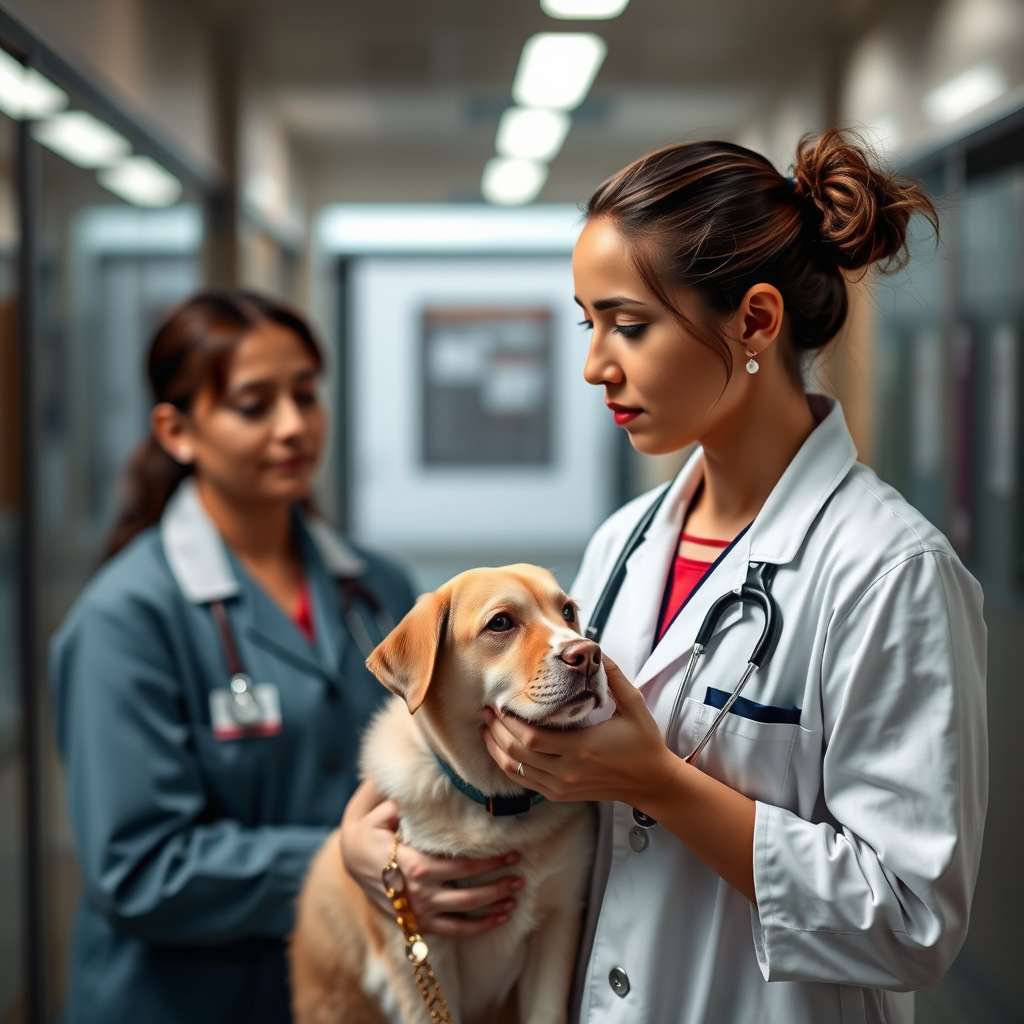
Malpractice insurance is a vital safeguard for veterinarians, protecting them from potential financial losses stemming from lawsuits. Given the increasing instances of litigation in the veterinary profession, having this insurance allows vets to defend against claims of negligence or misconduct without depleting their financial resources. A single malpractice suit can incur overwhelming legal fees, settlement costs, and damage awards, which could threaten the stability of a veterinary practice. By securing malpractice insurance, veterinarians can continue their work with peace of mind, focusing on providing quality care rather than worrying about crippling legal expenses. This insurance not only helps in mitigating risks but also enhances the credibility of the practice, assuring pet owners that their chosen veterinarians are committed to maintaining high standards of care.
Types of Malpractice Insurance Available
Veterinarians have several options when it comes to malpractice insurance, with the two primary types being claims-made and occurrence policies. A claims-made policy covers claims only if the policy is active when the claim is filed. This means that if a veterinarian switches insurance providers or lets their policy lapse, they may not be covered for claims related to incidents that occurred while they were insured. On the other hand, occurrence policies provide coverage for any incidents that occur during the policy period, regardless of when the claim is made, offering broader protection for the insured. Understanding these differences is crucial for vets in selecting the right policy for their practice.
Additionally, it’s important for veterinarians to consider the limits of liability stipulated in their policies. These limits define the maximum amount an insurance company will pay for a claim. Coverage amounts can vary significantly based on the policy chosen, and veterinarians should carefully evaluate their potential exposure to risk in their specific practice settings to ensure they have adequate coverage.
Factors Influencing Insurance Costs for Veterinarians
Several factors influence the cost of malpractice insurance for veterinarians. One of the most significant determinants is the specialty and experience level of the veterinarian. For instance, specialists in fields such as surgery or emergency medicine may face higher premiums due to the increased risk associated with their practices. Additionally, seasoned veterinarians with extensive experience may have lower rates compared to newer practitioners, as their established track records can indicate lower risk to insurers.
Another critical factor is the location of the veterinary practice. Urban areas may present different risks than rural settings, leading to variations in insurance costs. For example, practices in densely populated cities may have higher premiums due to a larger client base and increased potential for claims, whereas rural vets might benefit from lower rates due to a smaller, more manageable clientele. Moreover, the local legal environment and whether the state is considered “pro-vet” or “pro-pet owner” can also impact insurance costs.
Common Reasons for Malpractice Claims Against Vets
Malpractice claims against veterinarians often arise from common scenarios that highlight the complexities of veterinary medicine. One of the most frequent reasons for claims is misdiagnosis or failure to diagnose. Errors in judgment, whether due to oversight or lack of information, can lead to significant harm to the animal and, consequently, legal action from pet owners. For example, a failure to identify and treat a treatable condition like diabetes in a timely manner can lead to severe complications, resulting in a claim against the veterinarian.
Surgical errors represent another significant area of concern. Complications arising from procedures can lead to claims, particularly if the pet owner believes that the veterinarian did not follow best practices or failed to communicate risks adequately. For instance, if a surgical intervention results in unforeseen complications that are not properly managed, pet owners may feel justified in pursuing legal recourse.
How Pet Owners Can Verify Vet Insurance
Pet owners have the right to inquire about their veterinarian’s malpractice insurance coverage as part of their due diligence. Requesting proof of insurance is both reasonable and prudent. Vets should be prepared to provide documentation that outlines their coverage specifics, including the type of policy they hold and the limits of liability. Understanding these details can help pet owners feel more secure in their choice of veterinary care.
Additionally, pet owners should take the time to familiarize themselves with the policy details. Knowing what is covered and what is not can provide peace of mind and help manage expectations regarding the level of care their pets will receive. Open communication with veterinarians about insurance coverage can foster transparency and trust in the vet-client relationship.
The Role of Veterinary Associations in Insurance
Veterinary associations play a pivotal role in providing malpractice insurance options tailored for veterinarians. Many of these associations offer members access to exclusive insurance products that are specifically designed to meet the unique needs of veterinary practices. By leveraging the collective bargaining power of the association, veterinarians can often obtain better rates and coverage options than they might find independently.
Moreover, these associations provide invaluable support and resources for navigating insurance claims and best practices. They often offer educational materials and guidance on risk management, which can help veterinarians minimize their exposure to claims in the first place. By staying informed and connected through these associations, vets can enhance their professional practices and ensure they are adequately protected.
Veterinary malpractice insurance is a critical component of responsible practice management, safeguarding both the veterinarian and their clients. By understanding the nuances of this insurance, pet owners can be more informed and confident in their choice of veterinary care. It is essential for both veterinarians and pet owners to engage in open discussions about insurance coverage to ensure that everyone involved is adequately protected. If you have further questions about your vet’s insurance or need help finding a qualified veterinarian, reach out for more information today.
Frequently Asked Questions
Do veterinarians need malpractice insurance?
Yes, veterinarians are recommended to carry malpractice insurance, also known as veterinary professional liability insurance. This type of coverage protects them against claims of negligence or malpractice that may arise during their practice, ensuring that they can cover legal fees or settlements if a client alleges that their pet did not receive appropriate care. While it’s not legally required in every state, having this insurance provides peace of mind for veterinarians and their clients.
What does veterinary malpractice insurance cover?
Veterinary malpractice insurance typically covers claims related to negligence, errors in diagnosis, or improper treatment that result in harm to a pet. It can also protect veterinarians from legal fees, court costs, and settlements. Additionally, some policies may offer coverage for other incidents, such as property damage or personal injury, depending on the specific terms of the insurance plan.
How much does veterinary malpractice insurance cost?
The cost of veterinary malpractice insurance can vary significantly based on factors such as the veterinarian’s location, years of experience, and the size of the practice. On average, veterinarians can expect to pay between $300 to $1,500 annually for this insurance. It’s advisable for veterinarians to shop around and compare quotes from different providers to find coverage that fits their budget and specific needs.
Why is malpractice insurance important for veterinarians?
Malpractice insurance is crucial for veterinarians as it safeguards their financial stability and reputation in the event of a lawsuit. Given the emotional attachment pet owners have to their animals, allegations of malpractice can lead to serious legal battles that may be costly and time-consuming. This insurance not only provides financial protection but also enhances the trust clients place in their veterinarians, knowing they are insured to handle potential claims.
Which vets are most likely to face malpractice claims?
While any veterinarian can potentially face a malpractice claim, those who work in high-stress environments or specialized fields, such as emergency medicine or surgery, may be more susceptible. Additionally, veterinarians who handle complex cases or treat exotic animals may face increased risk due to the unique challenges involved. Regardless of their specialty, all veterinarians should consider carrying malpractice insurance to protect themselves from unforeseen legal issues.
References
- https://en.wikipedia.org/wiki/Animal_malpractice
- https://www.avma.org/resources-tools/animal-health-and-welfare/veterinary-malpractice
- https://www.petmd.com/news/veterinary-vet-malpractice-insurance-40012446
- https://www.veterinarypracticenews.com/what-you-need-to-know-about-veterinary-malpractice-insurance/
- https://www.ncbi.nlm.nih.gov/pmc/articles/PMC6934253/