

The short answer is that dental veneers are often not covered by insurance since they are considered a cosmetic procedure. However, there are exceptions based on specific circumstances, such as medical necessity or underlying dental issues. In this article, we will explore the factors that influence insurance coverage for veneers, the types of plans that may offer coverage, and what you should consider when seeking financial assistance for your dental needs.
Understanding Dental Veneers
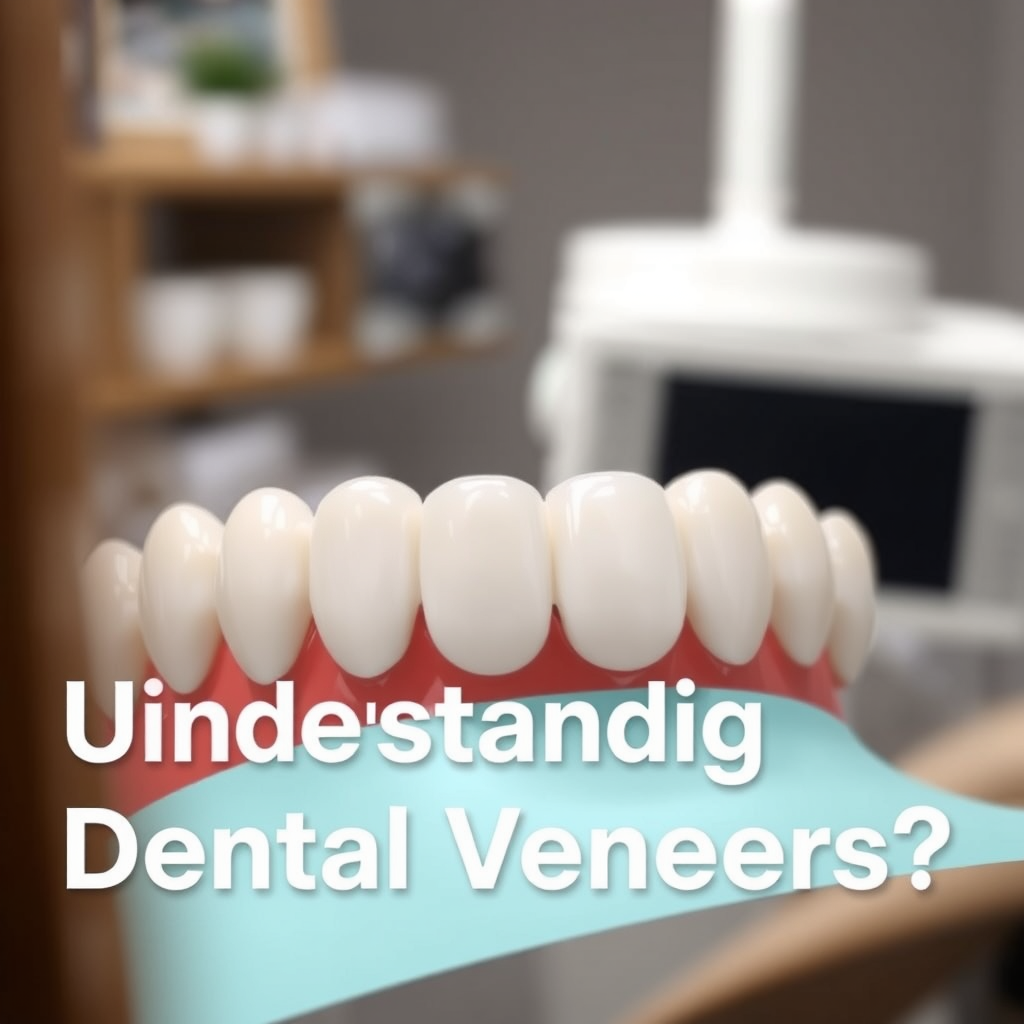
Dental veneers are thin, custom-made shells designed to cover the front surface of teeth to enhance appearance. They are mainly utilized in cosmetic dentistry for correcting issues such as discoloration, chips, gaps, or misalignment. Veneers can significantly improve a person’s smile, which often leads to increased self-esteem and confidence.
The most common materials used for veneers are porcelain and composite resin. Porcelain veneers are known for their durability and natural appearance, mimicking the light-reflecting properties of natural teeth. They resist staining better than composite veneers, making them a long-lasting option for those seeking a bright smile. Conversely, composite veneers are less expensive and can be applied in a single visit, but they may not last as long and can be more prone to staining.
Insurance Coverage Basics
Dental insurance typically categorizes procedures into three main categories: preventive, restorative, and cosmetic. Preventive services, such as cleanings and check-ups, are usually covered at a higher percentage, while restorative procedures like fillings may receive partial coverage. Cosmetic procedures, including veneers, however, are generally excluded or receive minimal coverage.
Most dental plans will cover necessary work to restore teeth to a functional state, but elective procedures aimed purely at aesthetic improvement, such as veneers, are often left out. Understanding these classifications is crucial, as they dictate what treatments your insurance will contribute towards and how much you can expect to pay out of pocket.
When Veneers Might Be Covered
There are specific scenarios where veneers might be deemed medically necessary, which could warrant insurance coverage. For example, if a patient has severe tooth damage due to trauma or decay that cannot be repaired through less invasive methods, veneers may be justified as a necessary treatment option. Additionally, certain conditions, such as congenital defects that affect the teeth, may also qualify for coverage.
If you believe your situation may warrant insurance coverage for veneers, it is essential to obtain thorough documentation from your dentist. This documentation should detail the reasons for the veneer placement, including any medical necessity, and may include photographs, X-rays, and a comprehensive treatment plan. Such information can support your claim and facilitate discussions with your insurance provider.
Types of Insurance Plans
Not all dental insurance plans are created equal, particularly when it comes to cosmetic procedures like veneers. Here are the most common types of dental insurance plans and how they typically handle coverage for veneers:
1. Preferred Provider Organizations (PPOs): PPOs usually offer more flexibility in choosing providers and may cover a portion of cosmetic procedures if they are linked to a medical necessity. Patients should verify their specific plan details.
2. Health Maintenance Organizations (HMOs): HMOs often have limited networks and generally do not cover cosmetic procedures unless they are deemed medically necessary. If you are part of an HMO plan, it is advisable to check the specifics of your coverage.
3. Indemnity Plans: These plans allow patients to see any dentist and may provide some level of reimbursement for veneers under certain circumstances. However, the extent of coverage can vary widely, so it is essential to review plan details.
Understanding the differences between these plans can help you navigate the complexities of insurance coverage for veneers.
Steps to Take for Insurance Coverage
If you are considering veneers and want to explore potential insurance coverage, here are some actionable steps to take:
1. Contact Your Insurance Provider: Start by reaching out to your insurance company to inquire specifically about coverage for veneers. Ask about the circumstances under which they might be covered and what documentation would be necessary.
2. Obtain a Treatment Plan: Schedule a consultation with your dentist and request a detailed treatment plan that outlines the need for veneers. This plan should include any medical justification for the procedure, which you can present to your insurance provider.
3. Pre-Authorization: If your insurance company requires pre-authorization for dental procedures, ensure that you submit all necessary documentation before beginning treatment. This can help prevent unexpected costs later.
4. Keep Records: Maintain copies of all correspondence with your insurance provider and your dentist. This documentation can be helpful if you encounter any issues with claims.
Alternative Financial Options
If veneers are not covered by insurance or if you are facing significant out-of-pocket expenses, several alternative financial options are available:
1. Payment Plans: Many dental practices offer payment plans that allow patients to spread the cost of veneers over several months. This can make the procedure more financially manageable.
2. Dental Financing: Specialized dental financing companies provide loans specifically for dental procedures, including cosmetic work. These loans often come with flexible payment terms and low-interest rates.
3. Health Savings Accounts (HSAs) and Flexible Spending Accounts (FSAs): If you have an HSA or FSA, you may be able to use these funds to pay for veneers. These accounts allow you to set aside pre-tax dollars for medical expenses, including some cosmetic procedures.
Exploring these options can provide greater financial flexibility and help you achieve the smile you desire.
Real-Life Experiences
Many individuals have navigated the complexities of insurance coverage for veneers, and their experiences can offer valuable insights. For example, one patient shared how their dentist provided thorough documentation and medical justification for veneers due to severe enamel erosion. This documentation helped secure partial coverage from their PPO plan, significantly decreasing the financial burden.
In another case, a patient who initially faced rejection from their insurance provider was able to appeal the decision by collecting additional supporting documents from their dentist. This persistence paid off, leading to coverage for a portion of the procedure.
These anecdotes highlight the importance of clear communication and thorough documentation when dealing with insurance claims for veneers.
In summary, while dental veneers are often not covered by insurance, there are potential avenues for coverage in certain situations. Understanding your insurance policy, exploring alternative financing options, and communicating effectively with your dentist and insurance company can help you manage the costs of veneers. If you’re considering veneers, consult with your dentist and insurer to find the best financial solution for your needs.
Frequently Asked Questions
Can dental veneers be covered by insurance?
In most cases, dental veneers are considered a cosmetic procedure, which means that they are typically not covered by dental insurance. However, if veneers are deemed necessary for medical reasons, such as to correct a serious dental issue or repair damage, some insurance plans may provide partial coverage. It’s essential to check your specific insurance policy and consult with your dentist to determine your eligibility for coverage.
What types of dental insurance plans cover veneers?
While most standard dental insurance plans do not cover veneers, some premium or comprehensive plans may offer limited coverage for cosmetic procedures if they are deemed necessary for oral health. Most often, these plans will cover procedures that are related to tooth restoration or correction of dental issues. Reviewing the details of your policy or discussing it with your insurance provider can help clarify what is covered.
How can I find out if my insurance covers veneers?
To find out if your insurance covers dental veneers, start by reviewing your policy documents for coverage details related to cosmetic dentistry. Additionally, you can contact your insurance provider directly to ask specific questions about veneer coverage. Lastly, discussing your situation with your dentist’s office can also provide clarity, as they may assist with insurance verification and filing claims if necessary.
Why are dental veneers considered cosmetic, and what does that mean for insurance eligibility?
Dental veneers are classified as cosmetic because they primarily enhance the appearance of teeth rather than treat underlying dental health issues. This classification means that they often fall outside the scope of coverage for most dental insurance plans, which typically only cover medically necessary procedures. Understanding this distinction can help you set realistic expectations when considering veneers and insurance coverage.
What are my options if veneers are not covered by insurance?
If veneers are not covered by insurance, there are several options to consider. Many dental offices offer financing plans or payment options that can help manage the cost of veneers over time. Additionally, some dental clinics run special promotions or discounts on cosmetic procedures, so it’s worth inquiring about any available offers. Finally, exploring other cosmetic options, such as bonding or teeth whitening, might provide more affordable alternatives.
References
- https://www.ada.org/en/member-center/oral-health-topics/veneers
- https://www.mayoclinic.org/tests-procedures/dental-veneers/about/pac-20310356
- https://www.cdc.gov/oralhealth/conditions/veneers.html
- https://www.nidcr.nih.gov/health-info/tooth-veneer
- https://www.forbes.com/advisor/business/dental-insurance/
- https://www.verywellhealth.com/dental-veneers-5115618