

Yes, student loans can potentially be used to purchase a car, but this is contingent on specific conditions and the intended purpose of the vehicle. While student loans are primarily allocated for education-related expenses such as tuition, books, and living costs, some students may find themselves in situations where having a car is essential for commuting to classes or fulfilling other academic requirements. In this article, we will delve into the conditions under which student loans might be applicable for vehicle purchases, alternative financing options, and crucial considerations that students should keep in mind when contemplating this decision.
Understanding Student Loan Usage
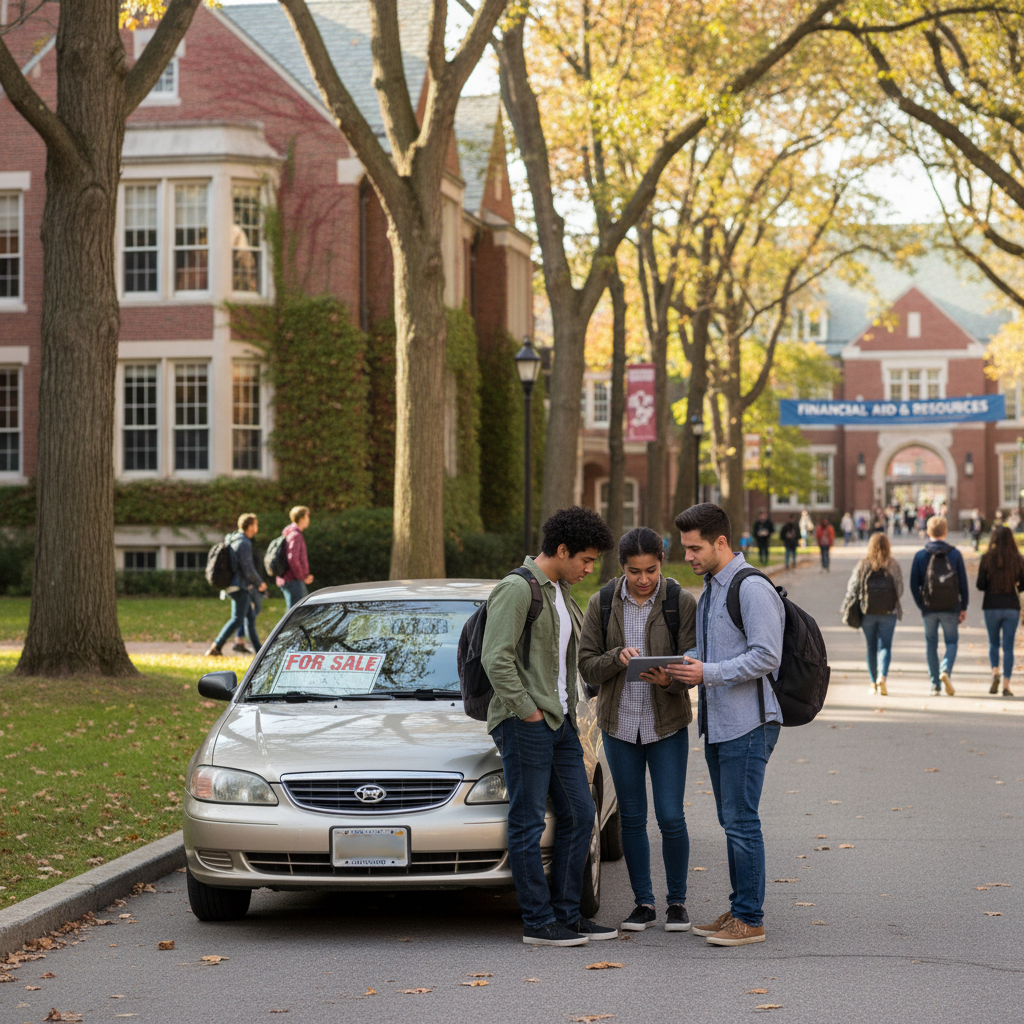
Student loans are designed specifically for educational expenses, which encompass tuition fees, enrollment costs, textbooks, and essential living expenses such as housing and food. The Federal Student Aid program stipulates that these funds should primarily support a student’s academic journey. However, after covering these essential costs, some students might find that they have leftover funds, which can sometimes be allocated to other necessary expenditures, including transportation.
It’s important to note that using student loans for non-educational expenses can lead to complications. While students might justify the expense of a vehicle for commuting to school, they must ensure that their financial decisions align with the guidelines set forth by their loan agreements. Misusing student loan funds can result in serious financial repercussions, including penalties or the requirement to repay funds that were not used for their intended purpose.
Types of Student Loans
The two primary categories of student loans are federal and private loans, each with distinct characteristics and regulations regarding fund usage.
Federal student loans, such as Direct Subsidized and Unsubsidized Loans, come with strict guidelines. These loans are primarily intended for educational purposes, and borrowers are required to use the funds in alignment with these regulations. Any deviation can lead to significant penalties and may affect a student’s eligibility for future financial aid.
On the other hand, private student loans often offer more flexibility regarding fund usage. While they may not have the same stringent regulations as federal loans, private loans typically come with higher interest rates and less favorable repayment terms. Borrowers should carefully consider the long-term financial implications of taking on additional debt outside their educational expenses.
When Can Student Loans Be Used for a Car?
Using student loans to purchase a vehicle is generally frowned upon unless there is a clear necessity. If the car is deemed essential for commuting to school—such as for students living in areas with limited public transportation options—this may justify its purchase with leftover loan funds. However, it’s crucial to document the need for transportation, which can include things like commuting distance, class schedules, or internship requirements that necessitate having a reliable vehicle.
For instance, a student studying at a university in a rural area may need a car to attend classes, especially if public transport is infrequent or unavailable. In such cases, maintaining proper documentation—like transportation needs assessments or letters from advisors—can help substantiate the need for using student loans for a car purchase.
Alternatives to Using Student Loans
If using student loans for a car purchase seems problematic or risky, there are various alternatives students can consider.
Personal loans can be a viable option for financing a vehicle. These loans are typically unsecured, meaning they do not require collateral, and they can be used for a wide range of expenses, including vehicle purchases. However, students should be cautious, as personal loans may come with higher interest rates compared to federal student loans.
Auto financing is another alternative, where students can take advantage of deals offered by dealerships or financial institutions specifically for vehicle purchases. Many auto dealers provide financing options that can be more favorable than personal loans, especially for students with limited credit history.
Additionally, students should explore scholarships, grants, or part-time employment opportunities that can help alleviate their financial burden, ultimately freeing up funds that could be allocated toward a car purchase without resorting to using student loans.
Financial Implications of Using Student Loans
Before deciding to use student loans for purchasing a car, it is vital to understand the long-term financial implications of accruing more debt. Students must consider how this additional debt will impact their financial future, including the potential monthly payments and how they fit within their overall budget.
When calculating potential monthly payments, students should take into account not only the cost of the car but also expenses such as insurance, maintenance, fuel, and registration fees. The total cost of ownership can add up quickly, and it is essential for students to assess their ability to manage these expenses alongside their existing student loan obligations. A comprehensive budget can help students plan effectively and avoid falling into financial distress.
Tips for Financing a Car as a Student
For those students who decide to pursue financing for a car, there are several strategies to ensure a more favorable outcome.
First, students should research student discounts and special financing offers that may be available from lenders or dealerships. Many companies recognize the financial challenges faced by students and may provide preferential rates or terms to assist them in their vehicle purchase.
Assessing one’s credit score is also crucial in determining eligibility for better rates. Students may be new to credit and have limited credit histories, but understanding their credit standing can help them make informed choices. Checking credit reports for errors, maintaining timely payment habits, and reducing any outstanding debts can improve a student’s credit profile.
Lastly, it’s advisable for students to compare multiple lenders to ensure they are getting the best possible terms. Online comparison tools can provide insights into various loan products and interest rates, enabling students to make educated decisions.
Resources for Further Assistance
Students looking for personalized advice regarding their financial situation should consider visiting financial aid offices at their respective institutions. These offices are equipped with professionals who can provide tailored guidance and help students understand their options regarding both student loans and car financing.
Additionally, utilizing budgeting tools can aid students in planning for car expenses effectively. Many online resources and apps exist to help students create budgets and track their spending, making it easier to manage finances while pursuing their education and transportation needs.
In conclusion, while it is possible to use student loans for purchasing a car under certain circumstances, students should approach this decision with caution and thorough research. Understanding the types of loans available, the conditions under which funds can be used, and exploring alternative financing options are critical steps in ensuring a sound financial decision. By weighing the implications and planning accordingly, students can navigate their transportation needs without compromising their educational financial health.
Frequently Asked Questions
Can I use student loans to buy a car?
No, student loans are specifically intended to cover educational expenses such as tuition, fees, and living costs while enrolled in a college or university. Using student loan funds for non-educational purposes, like purchasing a car, is against federal regulations. If you need a vehicle for commuting to school, consider exploring personal loans or car financing options instead.
What can student loans be used for?
Student loans can be used for a variety of educational expenses, including tuition fees, textbooks, school supplies, housing, and other necessary living costs while attending school. It’s essential to keep detailed records of how funds are spent, as they should be allocated solely for costs associated with your education to comply with loan terms.
How can I finance a car if I have student loans?
If you have student loans but need to finance a car, consider applying for a personal loan or a car loan through a bank or credit union. Ensure you have a good credit score, as this can affect your loan terms and interest rates. Additionally, look for financing options specifically designed for students, which might offer more favorable terms.
Why is it risky to use student loan money for a car?
Using student loan money for a car is risky because it violates the terms of the loan and could lead to penalties or the loan being called into question. Misusing student loan funds can also strain your financial future, as you may end up with debt that does not contribute to your education or career advancement. It’s crucial to allocate student loans properly to avoid complications.
Which alternatives can I consider if I need a car while in school?
If you need a car while in school, consider alternatives like public transportation, carpooling, or ride-sharing services, which can be more budget-friendly. If owning a car is essential, look into options such as a low-interest personal loan, leasing a vehicle, or purchasing a more affordable used car. Additionally, check if your school offers any transportation assistance programs for students.
References
- https://www.wellsfargo.com/student-loans/faq/using-loans-for-car-purchase/
- Federal Student Aid
- https://www.nbcnews.com/business/consumer/student-loans-what-can-you-use-them-rcna113816
- https://www.thebalance.com/using-student-loans-for-a-car-4171280
- https://www.forbes.com/advisor/student-loans/student-loans-for-a-car/
- Home | U.S. Department of Education
- Submit a complaint | Consumer Financial Protection Bureau
- Your Guide for College Financial Aid – Finaid