

To answer your question directly: yes, you can get an FHA loan on a foreclosure, but there are specific conditions and requirements that must be met. FHA loans, insured by the Federal Housing Administration, are designed to assist low-to-moderate income homebuyers in obtaining financing, making them a viable option for purchasing a foreclosed property. In this article, we’ll explore the eligibility criteria, the buying process, and tips to successfully secure an FHA loan for a foreclosed property.
Understanding FHA Loans
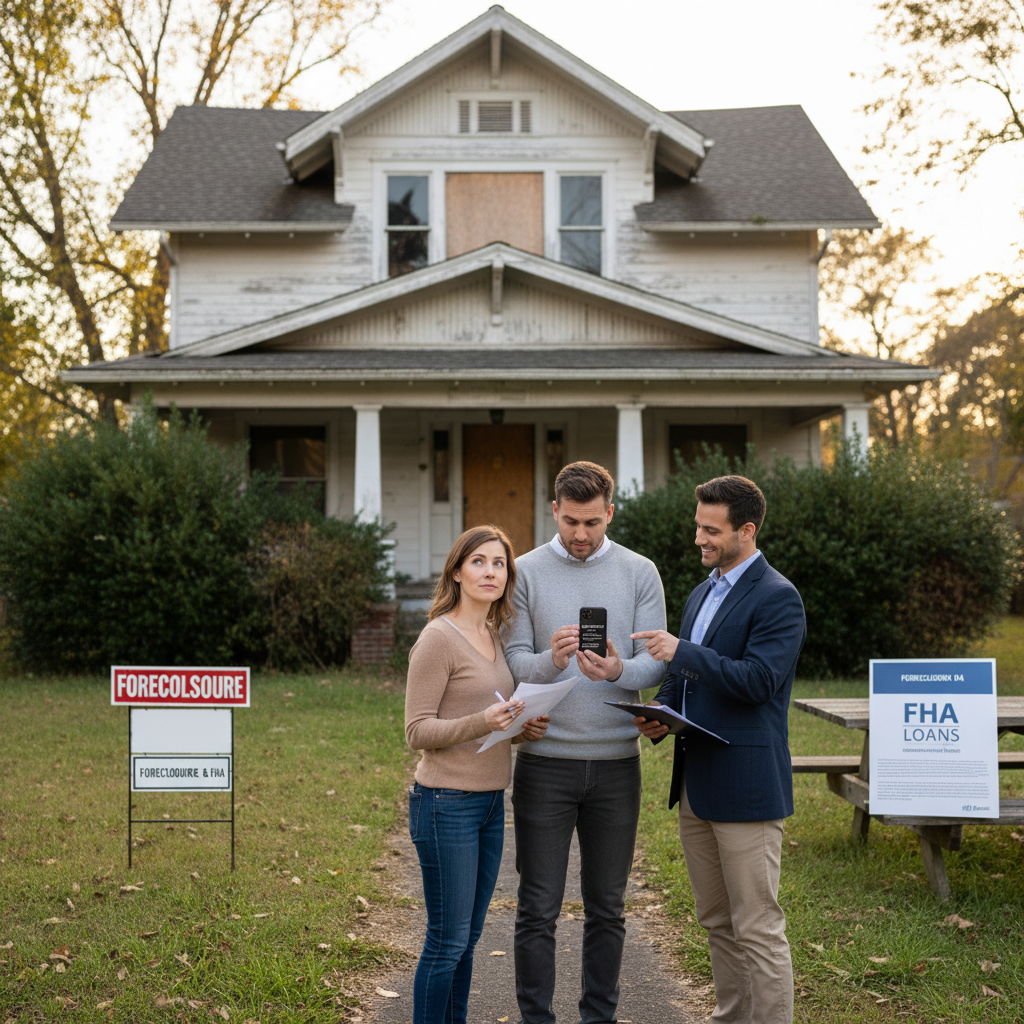
FHA loans are government-backed mortgages aimed at making homeownership more accessible for individuals who may struggle to qualify for conventional loans. These loans are particularly beneficial for first-time homebuyers or those with lower credit scores, as they generally feature more lenient credit requirements and lower down payment options. For example, while conventional mortgages often require a down payment of 10% or more, FHA loans allow qualified borrowers to put down as little as 3.5%. This lower barrier to entry makes FHA loans an attractive option for many, especially in the context of purchasing foreclosures, which can often be acquired below market value.
Furthermore, FHA loans come with competitive interest rates, which can further reduce the overall cost of borrowing. Because these loans are backed by the government, lenders face less risk, allowing them to offer more favorable terms. However, it is crucial to understand that FHA loans require borrowers to pay mortgage insurance premiums (MIP), which protects the lender in case of default. This added cost is something potential buyers should factor into their budgeting.
Eligibility for FHA Loans on Foreclosures
When considering an FHA loan for a foreclosed property, it is essential to meet specific eligibility requirements. Firstly, the property must be intended for use as a primary residence. Investment properties or vacation homes do not qualify under FHA guidelines. This stipulation is vital for buyers to understand, as it directly impacts the types of properties that can be financed through this program.
Additionally, the foreclosed property must meet FHA property standards, which include requirements for safety, livability, and structural integrity. These standards are assessed through an appraisal process conducted by an FHA-approved appraiser. The appraisal not only evaluates the property’s value but also ensures that it meets the minimum property standards set forth by the FHA. If the home requires significant repairs, buyers may need to either negotiate the cost of repairs with the seller or seek additional financing options to cover those expenses.
The Buying Process for Foreclosed Properties
The process of purchasing a foreclosed property can be somewhat complex, but understanding the steps involved can make it more manageable. To start, potential buyers should search for foreclosures that are FHA-approved and fit within their budget. Many online real estate platforms provide filters that allow users to identify FHA-eligible properties specifically, streamlining the search process.
Working with a real estate agent experienced in foreclosures is highly recommended. These professionals can guide buyers through the intricacies of the foreclosure market, help negotiate offers, and ensure that the necessary paperwork is handled correctly. An agent familiar with FHA loans can also provide insights into local regulations and requirements, which can vary by state and municipality.
Once a suitable property is identified, buyers will need to make an offer. This stage can often lead to competitive bidding situations, particularly in desirable areas or when properties are priced attractively. Therefore, having a pre-approval letter for an FHA loan can significantly strengthen a buyer’s position when submitting an offer.
FHA Loan Requirements for Foreclosures
When applying for an FHA loan to purchase a foreclosure, borrowers must adhere to specific requirements. First and foremost, they need to provide comprehensive documentation that includes proof of income, a detailed credit history, and an analysis of their debt-to-income (DTI) ratio. The FHA typically requires a DTI ratio of no more than 43% for borrowers, meaning that total monthly debts should not exceed 43% of their gross monthly income. This requirement ensures that borrowers can maintain their mortgage payments without undue financial strain.
Moreover, to qualify for the 3.5% down payment option, borrowers must have a credit score of at least 580. Those with lower scores (between 500 and 579) may still qualify, but they will be required to make a larger down payment of 10%. It is essential for prospective buyers to review their credit reports and take steps to improve their credit scores if necessary before applying for an FHA loan.
Additionally, the FHA mandates that borrowers attend a homebuyer education course, especially if they are first-time homebuyers. This course provides valuable information on the homebuying process, budgeting, and maintenance, helping buyers make informed decisions throughout their homeownership journey.
Potential Challenges and Considerations
While purchasing a foreclosed property with an FHA loan can be an excellent opportunity, there are several challenges and considerations to keep in mind. Foreclosed homes may often require repairs, and the FHA has strict guidelines regarding the condition of the property. If a home is deemed uninhabitable or poses safety risks, it may not meet FHA standards, potentially disqualifying it from financing.
Buyers should be prepared for potential bidding wars, as foreclosures can attract multiple interested parties. It is not uncommon for these properties to receive numerous offers, especially in competitive housing markets. Therefore, having all financial documents in order and being ready to act quickly can be crucial for success.
Moreover, buyers need to have realistic expectations regarding the condition of foreclosures. Many properties may have been neglected or vandalized, leading to repair costs that could significantly impact the overall investment. Conducting thorough inspections and factoring in repair costs is vital to ensure the purchase remains financially viable.
Tips for Securing an FHA Loan on a Foreclosure
To enhance your chances of successfully securing an FHA loan for a foreclosure, consider the following tips:
1. Get Pre-Approved: Before you start house hunting, seek pre-approval for your FHA loan. This not only demonstrates your seriousness to sellers but also gives you a clear understanding of your budget.
2. Work with Experienced Professionals: Collaborate with a real estate agent who has expertise in foreclosures and FHA financing. Their knowledge can help you navigate the complexities of the process and avoid potential pitfalls.
3. Include an Inspection Contingency: Consider including an inspection contingency in your offer. This allows you to back out of the purchase if significant issues arise during the inspection process, protecting your investment.
4. Be Prepared for Repairs: Understand that many foreclosures may require repairs. Have a clear plan for how you will address these issues, including budgeting for necessary renovations.
5. Stay Informed: Keep abreast of local foreclosure trends and market conditions. Being informed can help you make strategic decisions when it comes time to submit offers.
In summary, securing an FHA loan on a foreclosure is possible and can be a viable option for many homebuyers. By understanding the eligibility criteria, navigating the buying process, and addressing potential challenges, you can take the necessary steps toward homeownership. If you’re considering a foreclosure, start your research today and reach out to a knowledgeable real estate professional for guidance.
Frequently Asked Questions
Can you get an FHA loan on a foreclosure property?
Yes, you can obtain an FHA loan on a foreclosure property, provided that the home meets certain eligibility criteria set by the Federal Housing Administration (FHA). The property must be appraised and inspected to ensure it meets FHA’s minimum property standards. Additionally, you will need to demonstrate that you can manage the mortgage payments and meet other FHA requirements.
What are the requirements for obtaining an FHA loan on a foreclosed home?
To qualify for an FHA loan on a foreclosed home, you must meet standard FHA requirements, including a minimum credit score of 580 for a 3.5% down payment or 500 for a 10% down payment. The property must be your primary residence, and you must provide proof of income, employment, and debt-to-income ratios that align with FHA guidelines. It’s also essential to ensure the foreclosed property is in good condition and complies with FHA’s safety standards.
How do FHA loans for foreclosures differ from conventional loans?
FHA loans for foreclosures differ from conventional loans primarily in their down payment requirements and credit score criteria. FHA loans typically allow lower down payments (as low as 3.5%) and are more lenient with credit scores, making them accessible to borrowers with less-than-perfect credit. Additionally, FHA loans often have stricter guidelines regarding property condition, ensuring the home is habitable and meets safety standards.
Why should I consider an FHA loan for buying a foreclosure?
An FHA loan is an appealing option for buying a foreclosure because it offers lower down payment requirements and more flexible credit criteria, making homeownership attainable for many buyers. Additionally, FHA loans come with competitive interest rates and the potential for lower monthly payments. This can be particularly beneficial when purchasing a foreclosed property, which may require renovation and additional investment.
Which steps should I take to secure an FHA loan for a foreclosure?
To secure an FHA loan for a foreclosure, start by getting pre-approved with an FHA-approved lender to understand your financing options. Next, begin searching for foreclosure properties that meet FHA guidelines. Once you find a suitable property, ensure it undergoes a thorough inspection and appraisal. Finally, work closely with your lender to submit your FHA loan application and provide all necessary documentation for a smooth approval process.
References
- https://www.hud.gov/program_offices/housing/insurers/faq/foreclosures
- https://www.consumerfinance.gov/ask-cfpb/can-i-get-a-fha-loan-on-a-foreclosure-question-233/
- https://www.investopedia.com/terms/f/fha-loan.asp
- https://www.nerdwallet.com/article/mortgages/fha-loan-foreclosure
- https://www.fha.com/fha_loan_requirements
- https://www.hud.gov/program_offices/housing/sfh/buying/foreclosure
- https://www.nolo.com/legal-encyclopedia/can-i-get-fha-loan-after-foreclosure-32641.html
- https://www.bankrate.com/mortgages/fha-loans-and-foreclosures/



