

Yes, you can rent out a home financed through a USDA loan, but specific considerations and potential restrictions must be taken into account. USDA loans are designed primarily for owner-occupants, and as such, there are stipulations regarding occupancy and rental permissions. This article will guide you through the essential factors you need to consider if you’re thinking about becoming a landlord with your USDA-financed property.
Understanding USDA Loan Requirements
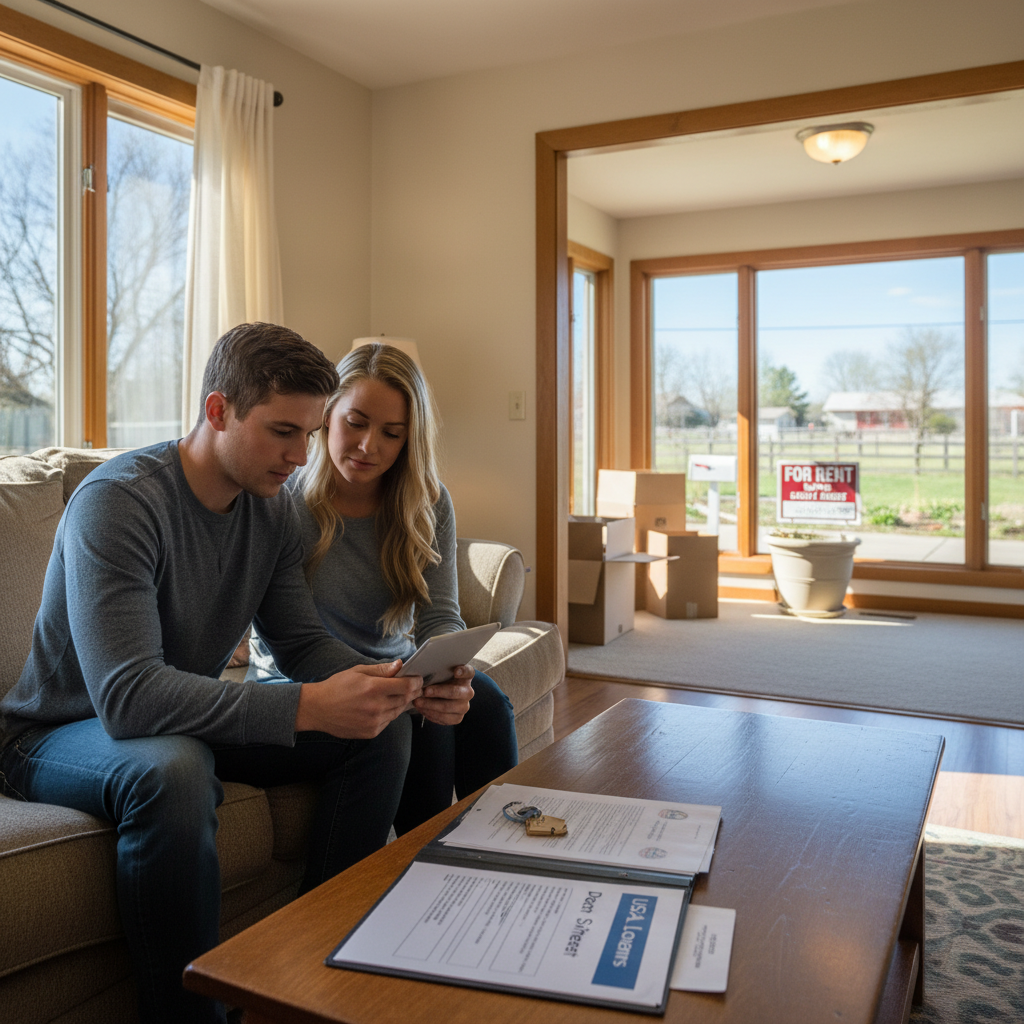
USDA loans are government-backed mortgages intended to help low- to moderate-income households obtain affordable housing in rural areas. One of the primary requirements is that USDA loans are meant for owner-occupants, meaning the borrower must reside in the property as their primary residence for a specified period. Generally, this period is at least 12 months. Additionally, before renting out the property, borrowers may face restrictions that necessitate prior approval from the USDA. Failure to comply with these stipulations could result in penalties, including the potential recall of the loan.
Understanding these requirements is crucial as they form the foundation upon which you can make informed decisions about renting your property. It is advisable to thoroughly review your loan documents and consult with your lender to clarify any uncertainties regarding renting out your home.
Eligibility for Renting Out Your Home
Before considering renting out your USDA-financed home, it’s essential to check the specific terms of your loan agreement. Some USDA loans include clauses that explicitly prohibit renting the property for a certain duration or without prior consent. It’s also important to consider the occupancy requirement—typically, you will need to reside in the home for a minimum of 12 months before you can seek approval to rent it out.
In cases where you may need to relocate for work or other personal reasons before the 12-month occupancy requirement, you might explore options such as seeking a waiver from the USDA or your lender. Understanding these eligibility requirements will help you navigate the complexities of becoming a landlord while ensuring compliance with your loan terms.
Steps to Take Before Renting
If you’ve thought through the eligibility requirements and are considering renting out your home, several important steps should be taken before proceeding. First and foremost, notify your lender of your intentions. Transparency about your plans is crucial, as failing to do so could lead to complications down the line.
Next, review your mortgage agreement in detail for any specific clauses that pertain to rental properties. This review process will provide you with a clear understanding of what is permissible under your loan terms and help you avoid potential pitfalls. Additionally, consider reaching out to a real estate attorney or financial advisor to ensure that you are fully informed of your rights and responsibilities as a prospective landlord.
Potential Impacts on Your Loan
Renting out your home can have significant implications for your existing loan and any future financing needs. If you decide to rent your property, you may need to reclassify your primary residence status, which could affect the terms of your loan. For instance, if your loan was acquired under the premise of being a primary residence, changing that status might lead to a higher interest rate or even trigger a demand for immediate repayment of the loan.
Furthermore, your rental income can influence your credit profile and debt-to-income ratio, which could affect your eligibility for future loans. If you plan on applying for another mortgage, understanding these implications can help you make informed decisions and avoid any financial repercussions.
Tax Implications of Renting Your Home
Becoming a landlord comes with various tax implications that you should consider before renting out your USDA loan home. Rental income is generally taxable, meaning that you will need to report it on your income tax return. However, the IRS allows landlords to deduct certain expenses related to the rental property, including mortgage interest, property taxes, repairs, and even depreciation.
It is highly advisable to consult with a tax professional to understand the full financial impact of renting your home. They can help you navigate the complexities of tax laws and ensure that you are maximizing your deductions while remaining compliant with IRS regulations. This proactive approach can significantly enhance your financial strategy as a new landlord.
Finding and Managing Tenants
Once you have determined that you can legally rent out your USDA loan home, the next step is to find and manage tenants. Developing a thorough tenant screening process is crucial in this regard. This process might include conducting background checks, credit checks, and verifying employment and rental history. Having a solid lease agreement that outlines the rights and responsibilities of both parties is also essential to prevent future disputes.
Understanding your responsibilities as a landlord is equally important. This includes maintaining the property, ensuring it meets safety and health standards, and being familiar with tenant rights in your state. Effective communication with your tenants can foster a positive landlord-tenant relationship, which is beneficial for both parties.
Alternatives to Renting Your USDA Home
If renting out your USDA home does not seem viable or if you wish to avoid the responsibilities associated with being a landlord, consider exploring alternative options. Selling the property may be a logical step, particularly if the housing market is favorable. If you decide to sell, you might also explore options for transferring your loan to a new buyer, which can be an attractive selling point.
Additionally, you might consider subleasing or offering the property as a short-term rental, such as through platforms like Airbnb, if your loan allows it. Each alternative comes with its own set of considerations, so it is important to weigh the pros and cons of each option thoroughly.
Renting out a home with a USDA loan is feasible but comes with specific regulations and responsibilities. Before proceeding, ensure you understand your loan terms and any potential impacts on your finances. It’s prudent to consult with real estate professionals or financial advisors to navigate this process effectively. By taking these steps, you can make informed decisions that align with your financial goals and obligations.
Frequently Asked Questions
Can I rent out my home that was purchased with a USDA loan?
Yes, you can rent out a home purchased with a USDA loan, but there are specific guidelines you should follow. Generally, USDA loans are intended for owner-occupants, so if you decide to rent, you may need to refinance to a conventional loan or get approval from your loan servicer. It’s essential to review your loan agreement and consult with your lender to ensure compliance with all terms.
What are the requirements for renting out a property with a USDA loan?
When renting out a property purchased with a USDA loan, it’s crucial to maintain compliance with the program’s guidelines. Typically, the USDA requires borrowers to occupy the home as their primary residence for a minimum of 12 months after closing. After that period, you may be able to rent it out, but you should check with your lender for any specific conditions or necessary paperwork.
Why do USDA loans have occupancy requirements that affect renting?
USDA loans are designed to promote homeownership in rural and suburban areas, primarily to assist low- to moderate-income families. The occupancy requirement ensures that the benefits of the loan support homeownership rather than investment properties. This restriction helps maintain the program’s purpose of fostering community growth and stability, so it’s important to adhere to these guidelines if you wish to rent your home.
What are the potential consequences of renting out my USDA loan home without approval?
Renting out your USDA loan home without explicit approval from your lender can lead to serious consequences, including the risk of loan default. If the USDA or your lender discovers that you are not occupying the home as required, they may call the loan due or initiate foreclosure proceedings. It’s crucial to communicate with your lender to avoid any negative repercussions.
How can I convert my USDA loan to a conventional loan before renting my home?
To convert your USDA loan to a conventional loan, you will need to go through a refinancing process. Start by assessing your financial situation and credit score to ensure you qualify for a conventional mortgage. Contact several lenders to compare rates and terms, and once you secure a new loan, you can rent out your home without the restrictions of the USDA program. Always consult with a financial advisor or mortgage professional to guide you through the process.
References
- Single Family Housing Guaranteed Loan Program | Rural Development
- https://www.consumerfinance.gov/ask-cfpb/can-i-rent-out-my-home-if-i-have-a-usda-loan-question-2021/
- https://www.hud.gov/program_offices/housing/sfh/loan/faq
- https://www.usda.gov/topics/farming/learn-about-usda-loans
- https://www.nationalhousinglocator.gov/
- https://www.investopedia.com/articles/personal-finance/121015/how-rent-out-your-home-usda-loan.asp