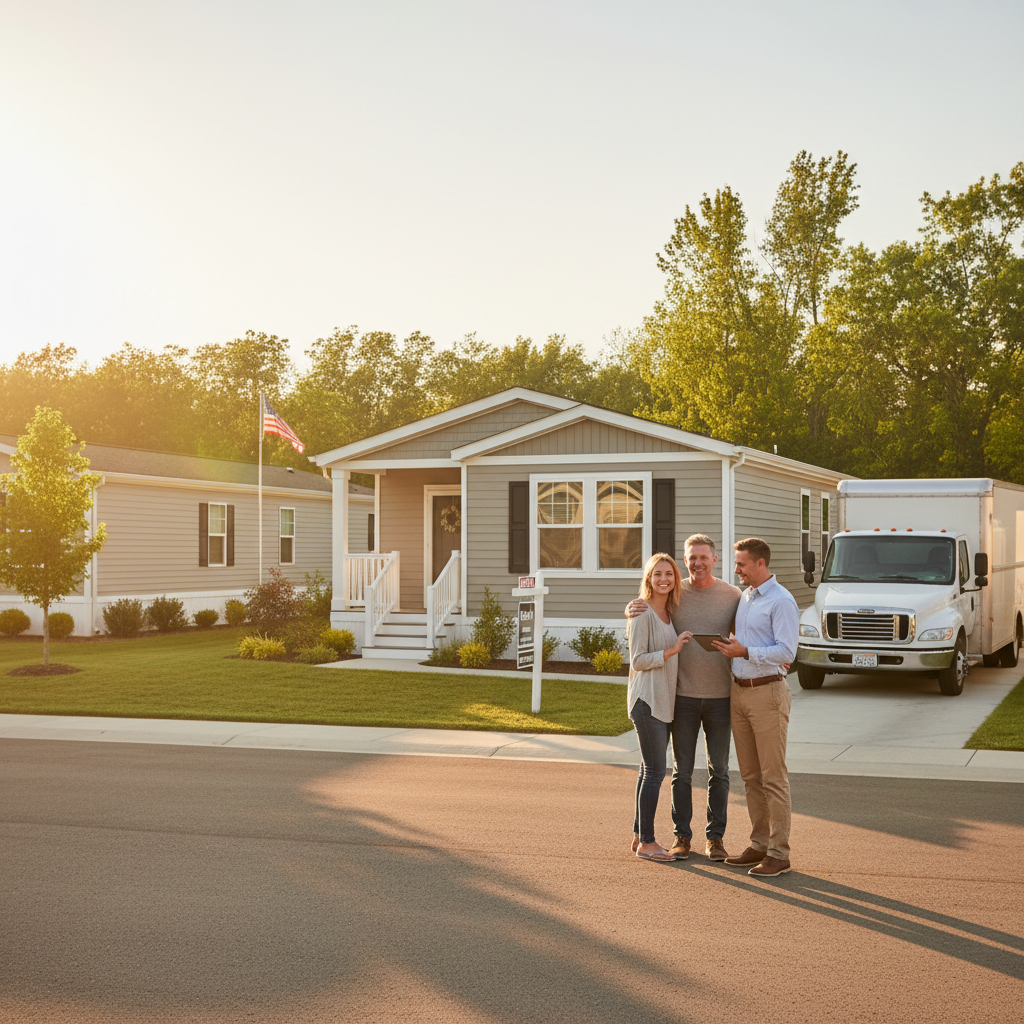

In short, yes, you can use a VA loan to purchase a mobile home, but there are specific conditions you need to meet. VA loans offer eligible veterans, active-duty service members, and certain members of the National Guard and Reserves a unique opportunity to acquire homes without the burden of a down payment or private mortgage insurance (PMI). However, the rules surrounding mobile homes can differ from traditional properties, and understanding these nuances is essential to navigate the process successfully.
Understanding VA Loan Basics
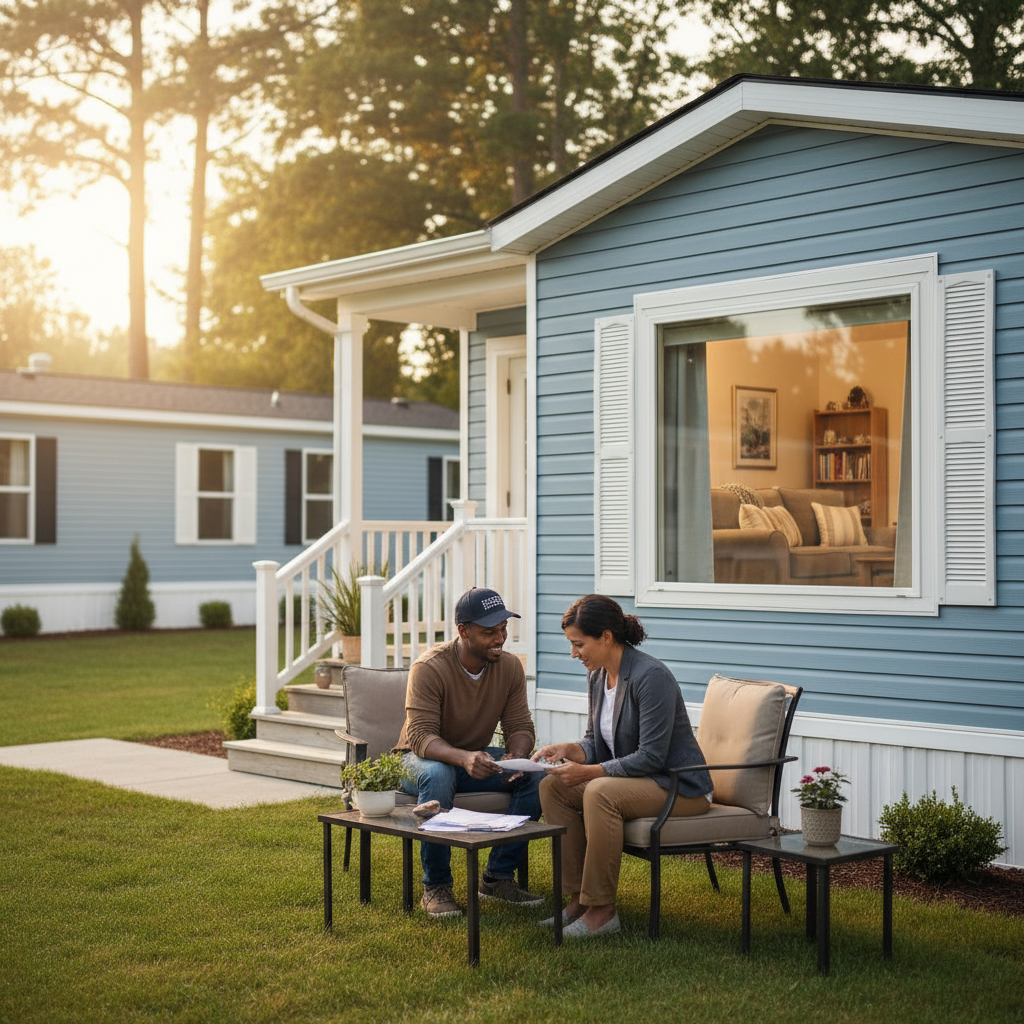
VA loans are a powerful financing tool specifically designed to assist service members and veterans in achieving homeownership. These loans are backed by the U.S. Department of Veterans Affairs, allowing lenders to offer favorable terms. Key advantages of VA loans include the absence of a down payment, which is a significant financial barrier for many homebuyers, and no requirement for PMI, which can increase monthly mortgage payments. Additionally, VA loans often come with competitive interest rates and more lenient credit requirements than conventional loans, making them an attractive option for qualifying individuals looking to invest in real estate.
For veterans, the VA loan program represents not only a financial benefit but also a form of recognition for their service. The program aims to make homeownership accessible and affordable, providing a pathway to stability and investment in the community. Understanding the basic framework of VA loans sets the stage for exploring their applicability to mobile home purchases.
Types of Mobile Homes Eligible for VA Loans
When considering the purchase of a mobile home using a VA loan, it is crucial to understand the classifications that qualify under VA guidelines. To be eligible, the mobile home must be classified as real estate; this means it must be permanently affixed to a foundation. The distinction is essential because mobile homes that remain movable may not meet the criteria necessary for VA financing.
Eligible mobile homes include both single-family residences and multi-unit properties (up to four units), providing flexibility in housing options. However, to qualify, the mobile home must adhere to certain standards that address safety and livability. For instance, the mobile home should be built after June 15, 1976, when federal construction standards were enacted, ensuring adequate safety measures. Additionally, it must meet local building codes, which can vary by location, further emphasizing the importance of verifying compliance before proceeding with a purchase.
VA Loan Requirements for Mobile Homes
Acquiring a VA loan for a mobile home involves meeting specific requirements set forth by the VA. First and foremost, the mobile home must meet the VA’s minimum property requirements (MPRs). These MPRs are designed to ensure that the property is safe, structurally sound, and fit for habitation. Common issues that can result in a failed appraisal include inadequate plumbing, heating, or electrical systems, and the presence of hazardous materials like lead paint.
Another critical component of the VA loan process is obtaining a valid Certificate of Eligibility (COE). This document verifies a borrower’s eligibility based on their service history and is essential for moving forward with the loan application. Additionally, borrowers must meet the lender’s credit and income requirements, which can vary significantly among lenders. Generally, a credit score of at least 620 is recommended to increase the chances of loan approval, although some lenders may consider lower scores depending on other financial factors.
Financing Options for Mobile Homes with VA Loans
VA loans can be utilized to finance both new and used mobile homes, although the terms may vary based on the age and condition of the property. For instance, new mobile homes typically have more favorable financing terms, including lower interest rates and longer repayment periods, compared to used mobile homes. This distinction is important as it can influence the overall cost of the loan and monthly payments.
When exploring financing options, it is advisable to work with lenders who specialize in VA loans for mobile homes. These lenders will have a more comprehensive understanding of the specific requirements and can guide borrowers through the process. Additionally, they can provide insights into potential interest rates, fees, and loan terms that align with the borrower’s financial situation. Engaging with multiple lenders can also foster a more competitive environment, potentially leading to better financing offers.
The Application Process for VA Loans on Mobile Homes
The process of applying for a VA loan on a mobile home begins with obtaining your Certificate of Eligibility (COE). Prospective borrowers can apply for the COE online through the VA’s eBenefits portal or through their lender, who can assist in the application process. Along with the COE, borrowers will need to gather essential documents that support their application, including proof of service, credit history, and income verification. This documentation is critical in demonstrating eligibility and financial capability.
Once the necessary documents are compiled, borrowers can submit their loan application with the chosen lender. The lender will then initiate the appraisal process, which involves assessing the mobile home to ensure it meets the VA’s MPRs. It is advisable to be prepared for potential delays during this phase, as appraisals for mobile homes can be more complex compared to traditional homes. Open communication with the lender and staying informed about the status of the application can help mitigate any potential issues.
Common Challenges When Using VA Loans for Mobile Homes
While VA loans present a valuable opportunity for purchasing mobile homes, several challenges may arise during the process. One significant challenge is that not all lenders are familiar with the intricacies of financing mobile homes, which can lead to stricter or inconsistent requirements. Some lenders may impose additional stipulations, such as requiring a higher credit score or a larger down payment, which can complicate the borrowing process.
Moreover, the appraisal process for mobile homes can be more demanding. Given the specific standards set by the VA, not all mobile homes will pass inspection. Issues such as the quality of construction, compliance with local building codes, and the home’s overall condition can impact the appraisal outcome. As a result, it is advisable for buyers to conduct thorough inspections and address any potential issues before applying for a VA loan.
In summary, while VA loans can significantly ease the path to homeownership for mobile home buyers, it is essential to be aware of the unique challenges and requirements involved.
In conclusion, using a VA loan to purchase a mobile home is indeed possible, provided you navigate the specific requirements and challenges. Understanding the eligibility criteria, types of mobile homes that qualify, and the associated financing options is crucial for potential buyers. If you’re considering this option, connect with a VA-approved lender to explore your eligibility and get started on your journey toward homeownership. By taking the right steps, you can make the most of the benefits that VA loans offer and secure a mobile home that meets your needs.
Frequently Asked Questions
Can you use a VA loan to purchase a mobile home?
Yes, you can use a VA loan to purchase a mobile home, but certain conditions must be met. The mobile home must be classified as real property, meaning it should be permanently affixed to a foundation and meet specific building codes. Additionally, the VA loan can be used for both new and existing mobile homes as long as they meet eligibility criteria set by the Department of Veterans Affairs.
What are the eligibility requirements for using a VA loan on a mobile home?
To use a VA loan for a mobile home, you must meet certain eligibility requirements. This includes being an active duty service member, a veteran, or an eligible surviving spouse. Furthermore, the mobile home must be located on a proper lot that you own or lease, and it must meet safety and livability standards as determined by the VA appraisal process.
How does financing a mobile home with a VA loan differ from financing a traditional home?
Financing a mobile home with a VA loan differs from traditional home financing primarily in the appraisal and property type considerations. While traditional homes are generally treated as real estate, mobile homes require that they be classified as real property, which involves being attached to a permanent foundation. Additionally, VA loans for mobile homes may have stricter appraisal requirements to ensure the home meets certain structural and safety standards.
What types of mobile homes qualify for a VA loan?
For a VA loan, qualifying mobile homes must be either single-section or multi-section homes that are permanently affixed to a foundation and classified as real property. The home must also meet the VA’s minimum property requirements, including compliance with local building codes and safety standards. Additionally, the mobile home must be placed on a lot that you own or lease, which can affect the loan’s approval process.
What are the advantages of using a VA loan for a mobile home?
The advantages of using a VA loan for a mobile home include no down payment requirement, competitive interest rates, and no private mortgage insurance (PMI) costs. These benefits can make homeownership more accessible for veterans and active-duty service members. Additionally, VA loans often have more flexible credit requirements, making it easier for eligible borrowers to secure financing for a mobile home.
References
- 404 – Page Not Found – Veterans Benefits Administration
- https://www.hud.gov/program_offices/housing/sfh/ins/va
- VA-Backed Veterans Home Loans | Veterans Affairs
- https://www.consumerfinance.gov/about-us/blog/using-va-loan-mobile-home/
- https://www.military.com/money/personal-finance/va-loans-for-mobile-homes.html
- https://www.nahb.org/advocacy/industry-issues/va-loans-for-manufactured-housing



