

When determining fault in accidents, insurance companies rely on a combination of evidence, witness statements, and established traffic laws. Understanding this process can help you navigate claims more effectively and potentially influence the outcome of your case. In this article, we’ll explore the key factors that insurance companies consider when assessing fault.
The Role of Police Reports
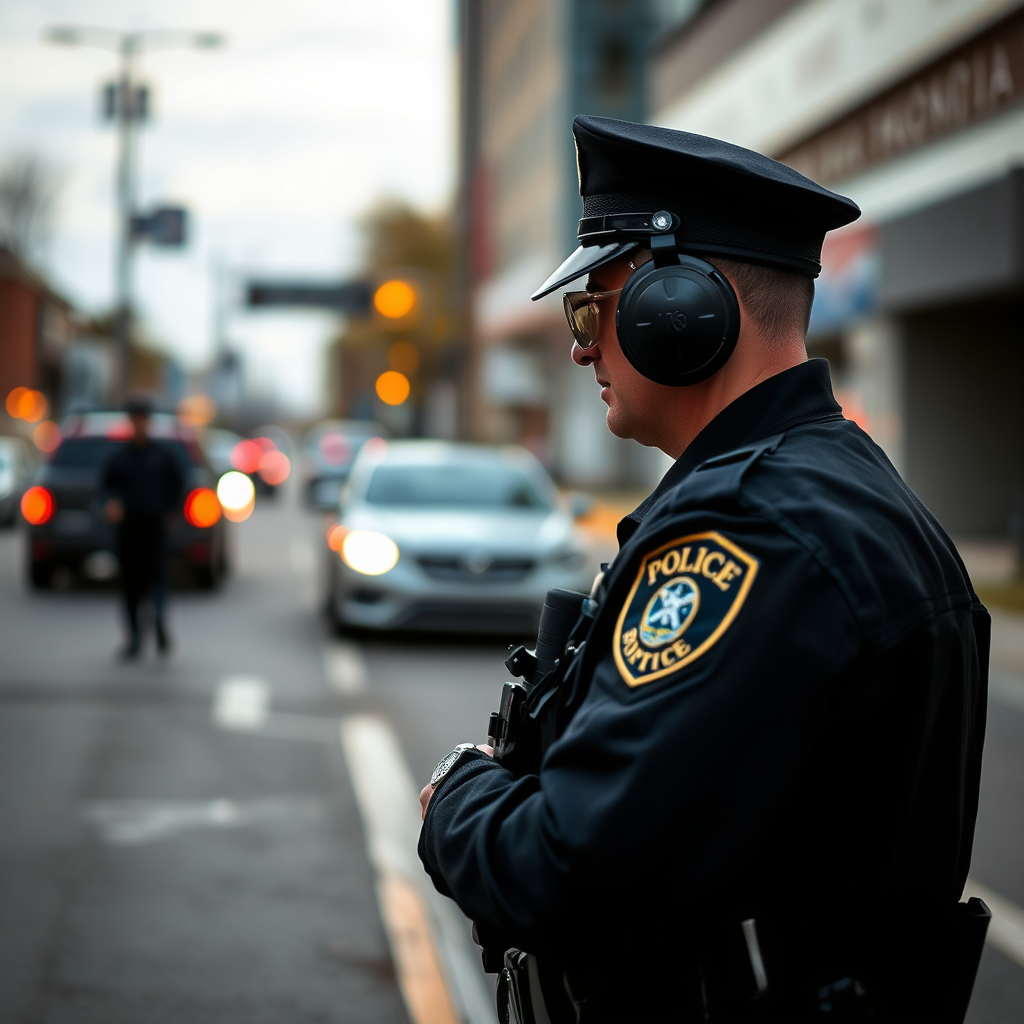
Insurance companies often use police reports as a primary source of information in assessing fault in accidents. These reports are generated by law enforcement officers who arrive at the scene to document the incident. They typically include crucial details such as the circumstances surrounding the accident, the parties involved, witness accounts, and any citations issued for traffic violations. For example, if a driver was cited for running a red light, this information could heavily influence the determination of fault, as it indicates a clear violation of traffic laws.
Moreover, police reports offer an objective perspective, free from the biases that parties involved in the accident may have. Insurance adjusters will closely examine the narrative laid out in the report, considering factors like road conditions, weather, and the positions of vehicles post-accident. Understanding the content of a police report can empower individuals by allowing them to anticipate how this document might be utilized in their case.
Evidence Collection and Analysis
Physical evidence is paramount in the determination of fault in accidents. This includes photographs of the accident scene, the extent of vehicle damage, and any debris or skid marks that may provide insight into the events leading up to the collision. For instance, clear images showcasing vehicle positioning can help establish whether one driver was following too closely or if another was making an improper turn.
In some cases, insurance companies may employ accident reconstruction specialists. These professionals analyze the collected evidence, such as vehicle damage and the physical layout of the accident scene, to recreate the event. Their findings can provide a scientific basis for determining how the accident occurred, which can be pivotal when both parties have conflicting accounts. By understanding the importance of thorough evidence collection, individuals can take proactive steps—such as documenting the scene and gathering witness information—that can significantly influence claims outcomes.
Witness Statements
Eyewitness accounts can provide valuable insights into the events leading up to an accident. Insurance adjusters often seek out witnesses to gather additional perspectives that may corroborate or challenge the claims made by the involved parties. For example, a bystander who observed the accident may provide testimony that confirms one party had the right of way, thereby solidifying the case for fault against the other party.
However, not all witness statements carry equal weight. Insurance adjusters will evaluate the reliability and consistency of these statements, considering factors such as the witness’s proximity to the accident and their demeanor during the interview. Discrepancies between witness accounts can lead to further investigation, potentially complicating the claims process. Understanding the significance of witness statements can encourage individuals to seek out and document eyewitness information immediately after an accident, enhancing the strength of their claim.
Traffic Laws and Regulations
Insurance companies refer to local traffic laws to determine which party violated regulations during an accident. These laws are established to promote road safety and can vary significantly from one jurisdiction to another. For instance, in many states, failure to yield the right of way at a stop sign can result in a clear allocation of fault to the driver who did not adhere to this regulation.
Understanding applicable laws can help clarify fault in various scenarios. For example, if a driver was speeding or driving under the influence of alcohol at the time of the accident, these violations can have a substantial impact on fault determination. Familiarizing oneself with local traffic laws not only aids in understanding one’s own responsibilities on the road but also provides a framework for evaluating the actions of other drivers involved in an accident.
Comparative Negligence
In some states, comparative negligence laws allow for shared fault between parties. This means that both drivers involved in an accident may be found partially responsible for the incident, which directly affects the compensation each party is entitled to receive. For instance, if Driver A is found to be 70% at fault for a collision while Driver B is deemed 30% at fault, Driver A will only be responsible for 70% of the damages incurred by Driver B.
Insurance adjusters will assess the degree of blame assigned to each party involved, which can complicate claims and negotiations. Understanding how comparative negligence works can empower individuals to present their case more effectively, highlighting mitigating circumstances that may reduce their perceived liability. This knowledge can also help in negotiations with the insurance company, as individuals can argue for a fair allocation of fault based on the evidence presented.
Insurance Policy Provisions
Each insurance policy may contain specific clauses affecting fault determination. For instance, certain policies may include provisions for uninsured or underinsured motorists, which can influence how claims are processed and payouts are determined. Moreover, policies may outline the procedures for reporting accidents and the timeline for filing claims, which can have implications for how fault is assessed.
Reviewing policy terms can clarify how fault impacts coverage and claims. Policyholders should be aware of the nuances within their insurance agreements, as these details can significantly affect the handling of an accident claim. By familiarizing themselves with their policy, individuals can better navigate the claims process and understand their rights and responsibilities following an accident.
Final Determination Process
After analyzing all evidence, witness statements, and relevant traffic laws, the insurance company will make a fault determination. This process often culminates in a formal statement of liability provided to both parties involved in the accident. It is important for individuals to understand that this determination may not be the final word; if they disagree with the outcome, they often have the option to appeal or negotiate further.
The final determination can significantly impact the claims process, including the amount of compensation awarded. For instance, if fault is assigned to one party, they may be liable for the damages incurred by the other party. Being proactive in understanding how this determination is made can better equip individuals to respond effectively, ensuring that they are prepared to advocate for their interests.
Summarizing the key points, insurance companies determine fault by analyzing police reports, physical evidence, witness statements, and relevant traffic laws. Understanding this process can empower you during an insurance claim. If you find yourself in an accident, be sure to gather all necessary documentation and evidence to support your case effectively. By being informed about how fault is determined, you can navigate the complexities of insurance claims with greater confidence and clarity.
Frequently Asked Questions
How do insurance companies determine fault in a car accident?
Insurance companies determine fault in a car accident by evaluating various factors such as police reports, witness statements, photographs of the scene, and any available video evidence. They analyze the actions of each driver involved in the incident to establish negligence or any traffic violations. The goal is to assess liability based on the evidence presented and in accordance with state laws regarding comparative or contributory negligence.
What role do police reports play in determining fault for insurance claims?
Police reports play a significant role in determining fault for insurance claims as they provide an official account of the accident. Insurance adjusters rely on these reports to gather information about the circumstances of the accident, witness statements, and any citations issued. The details contained in the report can strongly influence the insurance company’s assessment of liability and the subsequent claims process.
Why is it important to gather evidence at the scene of an accident for insurance claims?
Gathering evidence at the scene of an accident is crucial for insurance claims because it helps establish the facts surrounding the incident. This evidence can include photographs, witness contact information, and notes on road conditions or signage. Strong, clear evidence supports your version of events and can greatly aid in proving fault, ensuring you receive the compensation you deserve for damages and injuries.
Which factors do insurance adjusters consider when assessing fault in an accident?
Insurance adjusters consider several factors when assessing fault in an accident, including traffic laws, the positions of the vehicles post-collision, eyewitness accounts, and the severity of damages. They may also look into previous driving records of the involved parties and any relevant medical reports. Each of these elements helps the adjuster create a comprehensive view of the incident to make an informed decision on liability.
What should I do if I disagree with the insurance company’s determination of fault?
If you disagree with the insurance company’s determination of fault, you should first gather any additional evidence that supports your case, such as more detailed witness statements or expert opinions. Next, contact your insurance adjuster to discuss your concerns and present the new evidence. If necessary, you may consider seeking legal advice to explore your options for disputing the decision and protecting your rights to fair compensation.
References
- https://en.wikipedia.org/wiki/Fault_(law
- https://www.nolo.com/legal-encyclopedia/determining-fault-car-accidents-32960.html
- 404 – Page not found | III
- ConsumerReports.org – Page not found error – Consumer Reports
- https://www.nhtsa.gov/road-safety/crash-reporting
- https://www.thebalance.com/determining-fault-in-a-car-accident-4172497
- 404 – Page not found | III
- https://www.ama-assn.org/delivering-care/public-health/understanding-fault-and-its-impact-insurance-claims
- https://www.cdc.gov/motorvehiclesafety/crash_reporting/index.html