

Boat insurance typically covers engine damage, but the specifics can vary by policy. Understanding the nuances of your coverage is crucial, as some policies may include engine repair or replacement, while others might have exclusions. In this article, we’ll explore the details of boat insurance coverage for engines, including what is generally covered, common exclusions, and tips for selecting the right policy.
Understanding Boat Insurance Coverage
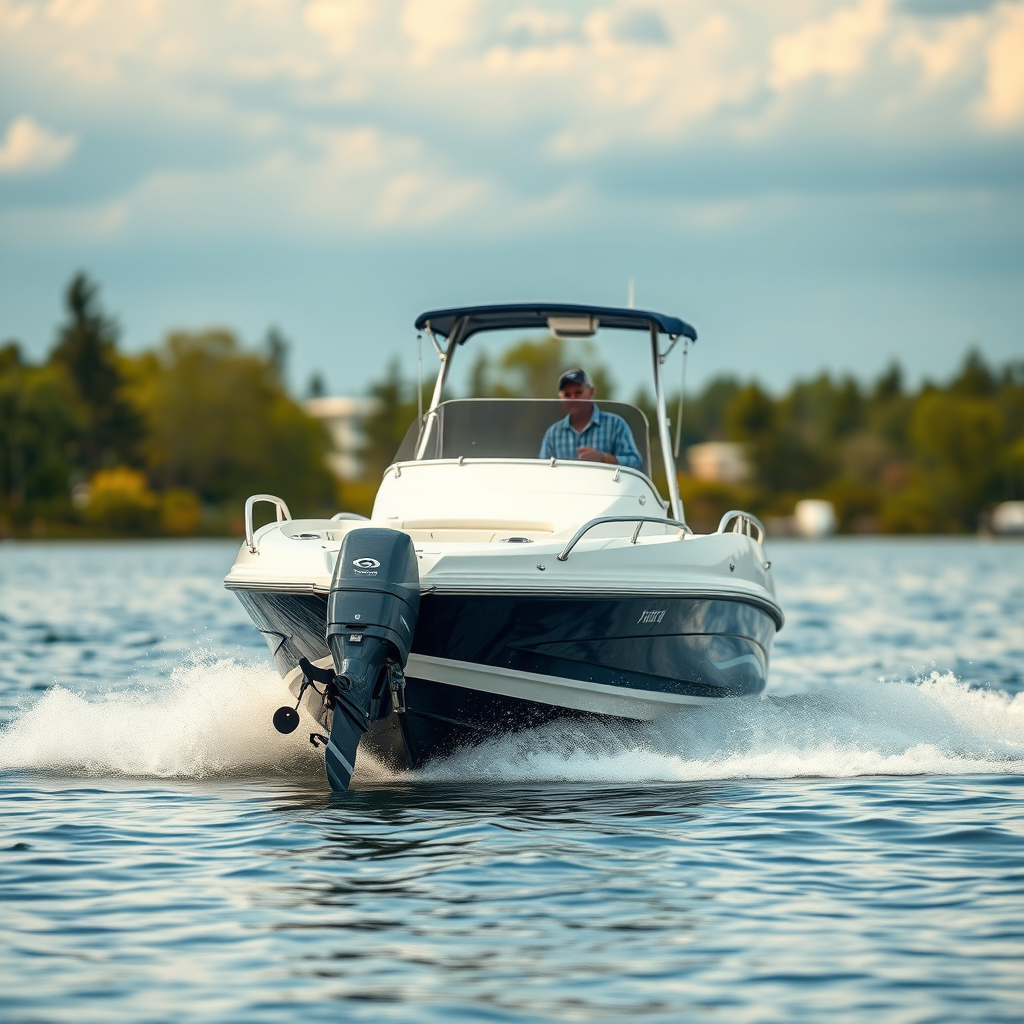
Boat insurance is designed to protect boat owners from financial losses associated with damage to their vessels, liability claims, and various other risks. The primary purpose of boat insurance is to safeguard your investment and provide peace of mind while enjoying recreational boating. Most boat insurance policies include different types of coverage, which can be broadly categorized into three main types: liability coverage, collision coverage, and comprehensive coverage.
Liability coverage protects you in case you cause damage to another person’s property or injure someone while operating your boat. Collision coverage pays for damages to your boat resulting from a collision with another vessel or an object, such as a dock or a rock. Comprehensive coverage, on the other hand, includes a broader range of incidents, such as theft, vandalism, or environmental damage, and may cover damages to your engine under certain circumstances. Understanding these coverage types is essential for determining how engine damage may be addressed in your policy.
Coverage for Engine Damage
Engine damage is typically classified as a part of the boat’s overall physical damage coverage. This means that if your engine is damaged due to a covered peril—such as a collision or severe weather—your insurance policy may cover the repair or replacement costs. However, the specific terms of coverage can vary significantly from one policy to another.
It’s important to note that routine wear and tear is generally not covered under standard boat insurance policies. This includes issues that arise from regular use, such as corrosion or mechanical failure due to age. Many insurers view these types of damages as part of the normal depreciation of the vessel, which is why it is crucial to understand the distinctions between covered damages and those that result from lack of maintenance or normal operation.
Common Exclusions in Boat Insurance Policies
While boat insurance can provide significant protection, it is essential to be aware of common exclusions related to engine damage. Typical exclusions may include:
– Neglect or Lack of Maintenance: If you fail to properly maintain your engine, any resulting damage may not be covered.
– Intentional Damage: Any damage caused intentionally, whether by the owner or a third party, is typically excluded from coverage.
– Wear and Tear: As previously mentioned, damage resulting from routine wear and tear is generally not covered.
– Improper Use: Using the boat in a manner not covered by the policy (e.g., racing or commercial use) can void coverage for engine damage.
Reading the fine print of your policy is crucial to understanding what is and isn’t covered. By doing so, you can avoid unpleasant surprises when it comes time to file a claim.
Factors Influencing Coverage
Several factors can influence the extent of coverage for engine damage in your boat insurance policy. The type of boat and engine you own plays a significant role. For instance, high-performance engines or specialized machinery may come with different coverage requirements than standard outboard motors. Additionally, the insurance market often evaluates the risk associated with various types of boats, which can affect the policy terms.
The age and condition of your boat are also critical factors. Older boats may face higher premiums and stricter coverage limitations, especially if parts are harder to find or if the boat has a history of engine issues. Insurers may require more comprehensive inspections and maintenance records for older vessels, impacting your ability to claim coverage for engine damage.
Tips for Choosing the Right Boat Insurance
When selecting a boat insurance policy that covers engine damage, consider the following recommendations:
1. Assess Your Needs: Determine what type of coverage is essential for your specific boat and how you use it. This assessment will help you choose the most appropriate policy.
2. Compare Policies: Don’t settle for the first quote you receive. Compare multiple policies to find one that offers comprehensive coverage for engine damage while fitting your budget.
3. Consult an Insurance Agent: Engaging with a knowledgeable insurance agent can provide personalized advice tailored to your situation. They can help you understand complex policy terms and identify any potential gaps in coverage.
4. Read Reviews: Research customer reviews and ratings for various insurers to gauge their reputation for handling claims, particularly those related to engine damage.
5. Consider Additional Coverage: Some policies offer endorsements or riders that provide extra coverage for specific risks, such as mechanical failure or breakdowns. Investigate these options to enhance your coverage.
Filing a Claim for Engine Damage
In the unfortunate event that you need to file a claim for engine damage, follow these steps to ensure a smooth process:
1. Notify Your Insurer: Contact your insurance provider as soon as you become aware of the damage. Prompt reporting is essential for timely processing of your claim.
2. Document the Damage: Take thorough photographs and notes regarding the engine damage, including any contributing factors (e.g., weather conditions, other vessels involved).
3. Gather Maintenance Records: Provide documentation that demonstrates regular maintenance and upkeep of the engine. This can help substantiate your claim and demonstrate your diligence in maintaining the vessel.
4. Complete Claim Forms: Fill out any required claim forms accurately and completely to avoid delays. Be honest and detailed in your description of the incident.
5. Follow Up: After submitting your claim, stay in contact with your insurance adjuster to track the progress and provide any additional information they may require.
Understanding whether your boat insurance covers engine damage is essential for protecting your investment. Review your policy carefully, consult with an insurance expert, and ensure you have the necessary coverage in place before hitting the water. Take the next step by contacting your insurance provider today for a policy review.
Frequently Asked Questions
What does boat insurance typically cover regarding the engine?
Boat insurance generally covers damages to the engine under certain circumstances, such as accidents, theft, or vandalism. Most comprehensive policies include protection for mechanical breakdowns due to unforeseen events, but it’s crucial to read your policy carefully, as coverage may vary by insurer. Additionally, some policies might exclude certain types of engine damage, like wear and tear, so it’s essential to clarify these details with your insurance provider.
How can I ensure my boat engine is covered by my insurance policy?
To ensure your boat engine is covered, you should review your insurance policy in detail and discuss coverage options with your insurance agent. Consider opting for comprehensive coverage that includes engine protection, and ask about specific clauses related to mechanical failure or damage. Regularly updating your policy to reflect any changes or improvements to your boat can also help maintain adequate coverage.
Why is it important to have engine coverage in my boat insurance?
Having engine coverage in your boat insurance is crucial because the engine is one of the most expensive components to repair or replace. In the event of an accident or mechanical failure, the costs can quickly add up, potentially leading to significant financial strain. By including engine coverage, you can safeguard your investment and ensure you have the necessary assistance to get back on the water without incurring substantial out-of-pocket expenses.
Which types of boat insurance policies cover engine damage?
Most standard boat insurance policies, particularly comprehensive and all-risk policies, cover engine damage resulting from accidents, fire, or theft. However, policies can vary significantly between providers, so it’s essential to compare different options. Specialty policies, such as those designed for high-performance boats or racing vessels, may also offer tailored coverage for engine-related incidents, so be sure to explore these options based on your specific needs.
What should I do if my boat engine is damaged and I have insurance?
If your boat engine is damaged, the first step is to contact your insurance provider to report the incident and initiate a claim. Be prepared to provide details about the damage and any relevant documentation, such as photos or maintenance records. Your insurer will guide you through the claims process, which may include inspections or estimates for repairs, ensuring you get the support you need to restore your boat to working condition.
References
- https://www.ncbi.nlm.nih.gov/pmc/articles/PMC6476676/
- 404 – Page not found | III
- https://www.nolo.com/legal-encyclopedia/boat-insurance-coverage-29959.html
- https://www.consumerfinance.gov/about-us/blog/understanding-boat-insurance/
- https://www.nerdwallet.com/article/insurance/boat-insurance-coverage-options
- https://www.insurance.wa.gov/boat-insurance-coverages
- https://www.statefarm.com/simple-insights/insurance/boat-insurance-what-you-need-to-know



