

In Florida, nearly all drivers find their windshield repair or replacement covered by insurance due to the state’s favorable laws. Insurance policies often provide comprehensive coverage with little to no deductible, ensuring that drivers can quickly address windshield issues without significant out-of-pocket costs. Understanding the nuances of windshield coverage in Florida is essential for all vehicle owners, as it can help them navigate their options effectively and ensure they are adequately protected against potential damages. This article will break down the details regarding windshield coverage in Florida, what to expect from your insurance policy, and how to make the most of it.
Overview of Florida Windshield Coverage Laws
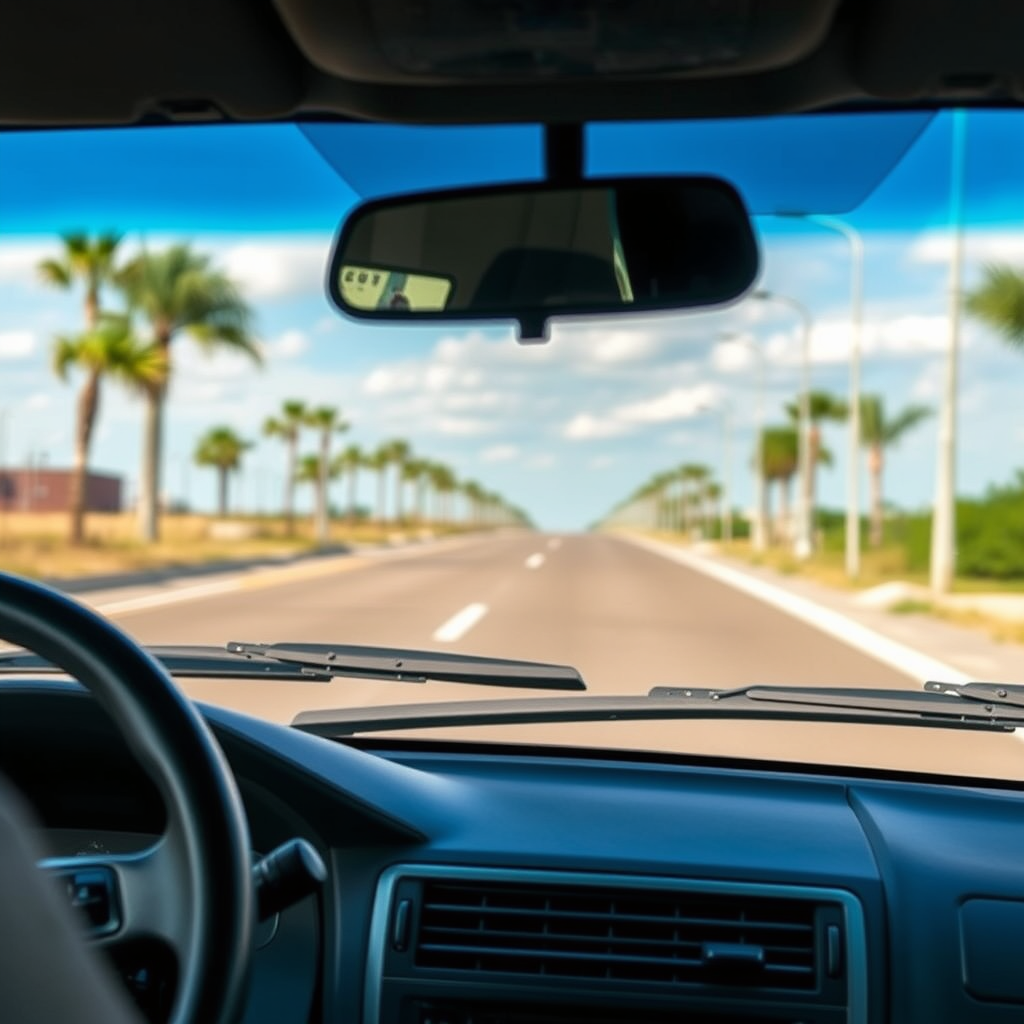
Florida operates under a “no-fault” insurance system, which impacts how insurance claims are processed, especially concerning windshield damage. This system means that drivers are responsible for their own insurance claims regardless of who caused an accident. In this context, Florida law mandates that insurers provide comprehensive coverage for windshield repairs and replacements, allowing for quick and efficient resolution of claims without the burden of high deductibles. Specifically, Florida Statute 627.7288 requires that insurance companies cover the full cost of windshield repairs and replacements without imposing a deductible if the claim is made under a comprehensive policy. This ensures that drivers can maintain their vehicle safety without facing significant financial barriers.
Types of Insurance Coverage for Windshields
When it comes to windshield coverage, there are primarily two types of insurance policies that drivers in Florida should consider. Comprehensive coverage is the most common, as it typically includes protection against damage caused by various incidents, including theft, vandalism, and natural disasters. Importantly, comprehensive coverage typically encompasses windshield repair or replacement, providing a safety net for drivers when faced with unexpected damage.
In addition to standard comprehensive coverage, some insurance policies also offer specific glass coverage. This type of policy may provide additional benefits, such as lower deductibles for glass repairs, coverage for other windows, and sometimes even coverage for glass breakage due to non-collision incidents. Drivers should carefully review their policy details to understand the extent of coverage available for windshield repairs or replacements and consider adding specific glass coverage if it aligns with their driving habits and risks.
How Deductibles Work for Windshield Claims
One of the most advantageous aspects of windshield coverage in Florida is the no-deductible feature commonly included in many policies. Unlike traditional insurance claims, where a deductible may apply, Florida law allows drivers to file windshield claims without paying a deductible, making repairs more affordable. This provision is particularly beneficial for those who may face frequent windshield damage due to road conditions or other factors.
However, it is essential for drivers to understand their deductible options fully. While many policies offer no deductible for windshield repairs, some drivers may have policies that include a deductible for glass claims. Reviewing your insurance policy and discussing deductible options with your insurer can help you make informed decisions and potentially save money in the long run.
The Process of Filing a Windshield Claim
Filing a windshield claim in Florida typically involves a few straightforward steps. First, drivers should contact their insurance provider to report the damage and initiate the claims process. It’s crucial to have relevant information on hand, such as your policy number, details of the incident, and any documentation that supports your claim, including photos of the damage if possible.
Once the claim is reported, the next step is to gather multiple quotes for windshield repairs or replacements. Florida law allows drivers to choose their repair shops, so getting several estimates can help ensure you receive a fair price for the necessary work. After selecting a repair shop, your insurer may require a copy of the quote before approving the claim. Following these steps can help streamline the process and ensure your claim is processed quickly.
What to Do if Your Claim is Denied
In the unfortunate event that your windshield claim is denied, there are several common reasons that may explain the denial. These can include policy exclusions, such as damage caused by wear and tear rather than an unexpected incident, or insufficient documentation supporting the claim. If your claim is denied, the first step is to carefully review your insurance policy to understand the reasons for the denial.
Once you identify the reason, you can take steps to address it. For instance, if the denial was due to inadequate documentation, you may be able to gather additional evidence to support your claim. If you believe your claim was unfairly denied, you have the right to appeal the decision. This process typically involves submitting a formal appeal to your insurer, outlining your reasons for disputing the denial. If the appeal is unsuccessful, consider seeking assistance from your state’s department of insurance or consulting with a legal expert specializing in insurance claims.
Tips for Choosing the Right Insurance Policy
Selecting the right insurance policy that effectively covers windshields involves several crucial factors. First, assess your driving habits and the likelihood of windshield damage based on your environment and typical driving conditions. If you frequently drive in areas with poor road conditions or high debris, opting for a policy with comprehensive and specific glass coverage is advisable.
Next, carefully review policy details, focusing on coverage limits, deductibles, and any exclusions related to windshield claims. It’s also beneficial to compare quotes from various insurance providers to find the best coverage options at competitive rates. Additionally, consider reading customer reviews and seeking recommendations from friends or family to gauge the reliability of different insurers.
Finally, regularly reassess your insurance policy, especially when renewing your coverage, to ensure it continues to meet your needs as your driving habits or circumstances change.
Frequently Asked Questions About Windshield Coverage
Many Florida drivers have inquiries regarding the specifics of their windshield coverage. Common questions include whether there are limits on the number of claims that can be made for windshield repairs or if there are any exclusions related to specific types of damage. It is important to note that while Florida law mandates comprehensive coverage for windshield repairs, some policies may impose limits on the number of claims or specific exclusions based on the type of damage.
For additional support and information about windshield coverage, drivers can reach out to their insurance provider or consult resources provided by the Florida Department of Financial Services. These resources can offer further clarification on coverage options, claims processes, and consumer rights.
Summarizing the critical aspects of windshield insurance coverage in Florida provides clarity on what drivers can expect. Understanding the laws and types of coverage available can empower vehicle owners to make informed decisions about their insurance policies. Be sure to review your insurance policy to understand your coverage and take action if needed. If you have further questions or need assistance, consider reaching out to your insurance provider or a local expert. Taking proactive steps can ensure you are adequately protected against windshield damage in Florida.
Frequently Asked Questions
How many windshields can I replace under my insurance coverage in Florida?
In Florida, many auto insurance policies, especially those with comprehensive coverage, allow for unlimited windshield replacements. This means you can replace your windshield as often as necessary without incurring a deductible, provided the repairs are performed by an authorized service provider. It’s crucial to check your specific policy details, as coverage can vary by insurer.
What should I do if my windshield is damaged in Florida?
If your windshield is damaged in Florida, the first step is to assess the extent of the damage. If it’s a small chip or crack, you might be able to get it repaired without a full replacement. Contact your insurance company to file a claim and discuss your options, including whether you should repair or replace the windshield. Remember to choose a service provider that is approved by your insurance for a smoother claims process.
Why is windshield replacement covered differently than other auto repairs in Florida?
Windshield replacement is often covered differently in Florida due to the state’s unique laws regarding insurance and consumer protection. Florida law mandates that insurance companies provide comprehensive coverage that includes windshield repair and replacement without a deductible. This approach encourages drivers to promptly repair or replace damaged windshields, enhancing safety on the roads.
Which insurance companies in Florida offer the best coverage for windshield repairs?
Many major insurance companies in Florida, including State Farm, Geico, and Progressive, offer robust windshield repair and replacement coverage. When comparing policies, look for those that provide zero deductible options for windshield claims. Reading customer reviews and checking the specific terms of coverage can help you determine which insurer aligns best with your needs.
How can I find a reputable windshield repair service in Florida?
To find a reputable windshield repair service in Florida, start by asking for recommendations from friends or family. You can also check online reviews and ratings on platforms like Yelp or Google. Additionally, verify that the service provider is approved by your insurance company to ensure that your claim process goes smoothly. Look for businesses that provide warranties on their work, as this can be an indicator of quality service.
References
- https://www.flsenate.gov/Session/Bill/2021/76/BillText/Filed/PDF
- https://www.ncbi.nlm.nih.gov/pmc/articles/PMC6360321/
- https://www.insurancejournal.com/news/southeast/2021/06/18/632080.htm
- https://www.fldfs.com/
- https://www.nolo.com/legal-encyclopedia/what-you-need-know-florida-auto-insurance-laws-33020.html
- ConsumerReports.org – Page not found error – Consumer Reports



