

Insurance companies discover accidents through a combination of direct reports from policyholders, police reports, and notifications from third parties. These methods enable insurers to gather comprehensive information about the circumstances surrounding an accident, which is crucial for assessing claims and determining liability. Understanding how insurers collect this information can help policyholders navigate their claims more effectively and ensure they provide all necessary information during the process.
Direct Reports from Policyholders
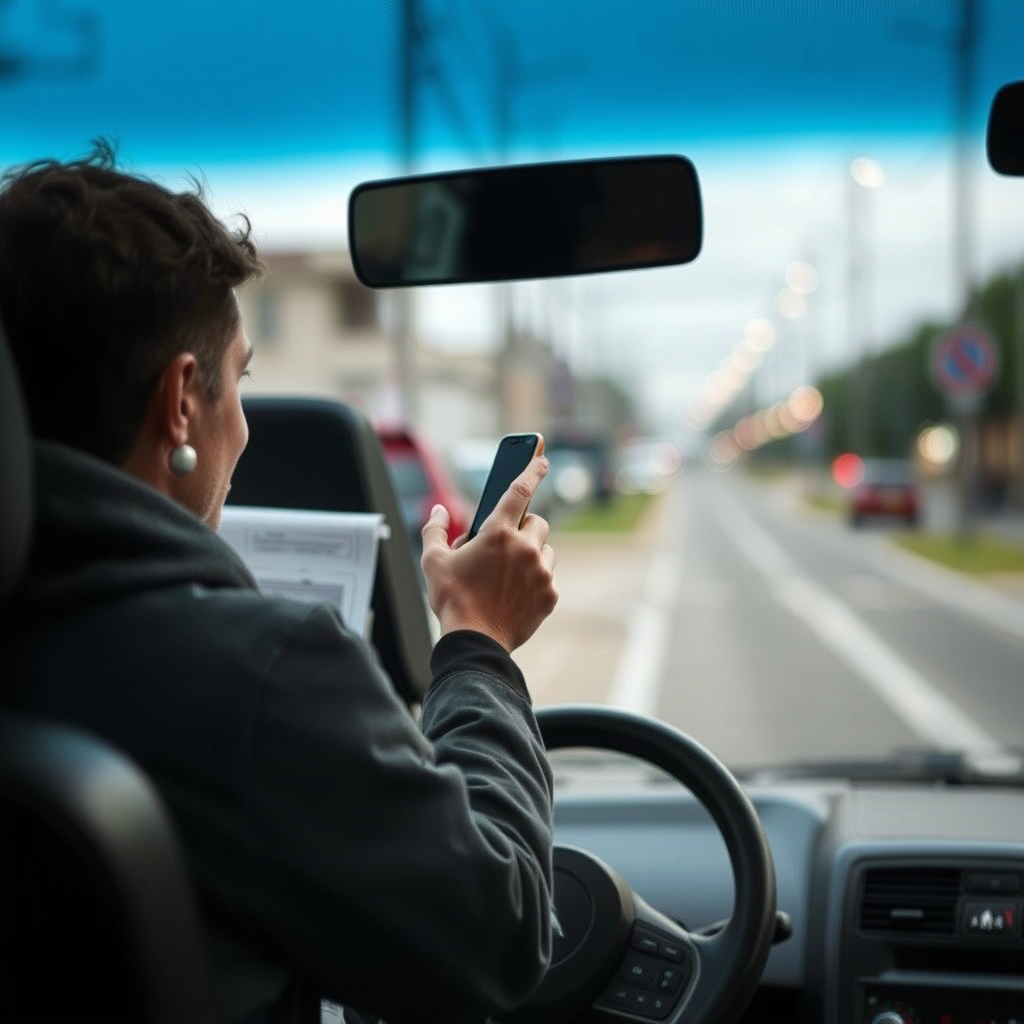
Policyholders typically report accidents when filing a claim, which serves as the initial touchpoint between the insurer and the insured. When an accident occurs, policyholders are often required to contact their insurance company to initiate the claims process. During this interaction, insurers ask for specific information, including the date, time, location, and circumstances of the accident.
For example, a policyholder involved in a rear-end collision must provide details about how the accident happened, any contributing factors (like weather conditions), and the extent of damages. This initial report not only sets the stage for the claim but also helps insurers gauge the credibility of the policyholder’s account. It’s essential for policyholders to be as detailed and accurate as possible in their reports, as inaccuracies can lead to delays or denial of claims.
Police Reports
Many insurers rely heavily on police reports, which provide official documentation of the accident. These reports typically include vital information such as witness statements, traffic violations, and accident diagrams. Insurers can access these reports to verify the claims made by policyholders and assess liability more accurately.
For instance, if a police report indicates that one driver was speeding at the time of the accident, this information can significantly influence the outcome of a claim. Insurers may also use police reports to clarify conflicting accounts between the parties involved, ensuring a fair assessment of damages and responsibility. Accessing police reports is not only a standard practice but also a critical element in the claims investigation process.
Third-Party Notifications
In addition to direct reports and police documentation, third-party notifications play an essential role in how insurers discover accidents. Hospitals, tow companies, and other entities may notify insurance companies about incidents involving their policyholders. For example, if a policyholder is admitted to a hospital with injuries from an accident, the hospital may inform the insurer as part of their standard operating procedure.
These notifications can trigger an investigation or initiate the claims process even before the policyholder files a claim. The involvement of third parties can also lead to earlier detection of fraud, as multiple sources provide independent accounts of the incident. Insurers benefit from this additional layer of information, as it allows them to gather a more comprehensive view of the circumstances surrounding the accident.
Social Media and Public Records
In today’s digital age, insurers may also monitor social media for posts related to accidents. Many individuals share their experiences on platforms like Facebook, Twitter, and Instagram, often posting photos or comments that can provide valuable insight into the incident. For instance, a policyholder who posts a video of the accident scene may inadvertently share information that contradicts their claim, raising red flags for insurers.
Public records, such as court documents, can further reveal details about accidents that may not have been directly reported to the insurer. These records can include lawsuits, judgments, or settlements related to the accident, providing insurers with a broader context that may impact their assessment of the claim. By leveraging social media and public records, insurers can enhance their understanding of incidents and ensure that claims are processed accurately.
Investigation and Claims Adjusters
Once an accident is reported and the necessary documentation is collected, insurance adjusters typically conduct their own investigations. This process involves gathering evidence, such as photographs of the accident scene, vehicle damage assessments, and interviews with involved parties and witnesses. The goal is to establish a clear timeline of events and evaluate the validity of the claim.
For example, an adjuster may visit the accident site to collect evidence and interview witnesses to corroborate the accounts provided by the policyholder. This thorough investigation helps insurers determine the appropriate payout based on the details of the incident and the terms of the policy. Insurers rely on the expertise of claims adjusters to navigate complex cases and ensure that claims are handled fairly and efficiently.
Technology and Data Analysis
The insurance industry has increasingly embraced advanced technology to enhance the claims process and improve accident analysis. Tools such as telematics—devices that monitor driving behavior and vehicle performance—can provide real-time data about accidents, including speed and braking patterns. Additionally, accident reconstruction software can create detailed simulations of the incident, helping insurers visualize how the accident occurred.
Through data analysis, insurers can identify patterns in claims that may indicate fraudulent activity or high-risk behaviors among policyholders. For instance, if a particular driver has multiple claims within a short timeframe, this may warrant further investigation. By leveraging technology and data, insurers can streamline their processes, improve accuracy, and enhance their ability to detect fraud.
State Laws and Regulations
Insurance companies must also navigate a complex landscape of state laws and regulations regarding accident reporting. These laws can vary significantly from one state to another, impacting how insurers handle claims and the information they are required to collect. Understanding the regulatory environment is crucial for insurers to ensure compliance and to facilitate a smooth claims process.
For example, some states have “no-fault” insurance laws that limit the ability of policyholders to sue for damages after an accident, while others allow for more extensive litigation options. Insurers must be well-versed in these regulations to advise their policyholders properly and handle claims in accordance with state requirements. This knowledge not only helps insurers fulfill their obligations but also assists policyholders in understanding their rights and options following an accident.
In summary, insurance companies utilize a variety of methods to discover accidents, including direct reports from policyholders, police documentation, and third-party notifications. Additionally, they leverage technology and data analysis to enhance their understanding of incidents while adhering to state regulations. By understanding these processes, policyholders can better navigate their insurance claims and ensure they provide all necessary information. For further assistance or to file a claim, consider reaching out to your insurance provider for guidance.
Frequently Asked Questions
How do insurance companies typically find out about car accidents?
Insurance companies usually learn about car accidents through several channels, including police reports, claims filed by the involved parties, and direct notifications from witnesses. Additionally, if the accident involves injuries or significant damage, hospitals may also report the incident to the insurance companies of the parties involved, especially when medical claims are submitted. This comprehensive approach helps insurers assess the situation accurately for claim processing.
What information do insurance companies require from accident reports?
Insurance companies typically require detailed information from accident reports, including the date, time, and location of the accident, descriptions of vehicles involved, names and contact information of all parties, and any eyewitness accounts. They also look for police statements, diagrams of the accident scene, and details about injuries or damage. This information is crucial for determining fault and processing claims effectively.
Why is it important for insurance companies to investigate accidents?
It is important for insurance companies to investigate accidents to ensure that claims are valid and to assess liability accurately. This investigation helps prevent fraud, ensures that payouts are fair and justified, and allows insurance companies to maintain their financial stability. By thoroughly understanding the circumstances of an accident, insurers can make informed decisions regarding coverage and compensation.
Which types of accidents do insurance companies prioritize for investigation?
Insurance companies tend to prioritize investigations for accidents that involve significant injuries, substantial property damage, or potential fraud indicators. High-profile accidents or those involving multiple parties, such as multi-car collisions, also receive more scrutiny. Accidents with conflicting reports or witness statements may prompt further investigation to establish a clear understanding of the events leading up to the accident.
How can I ensure my accident is reported correctly to my insurance company?
To ensure your accident is reported correctly, promptly notify your insurance company about the incident and provide all relevant details, including a copy of the police report and any witness information. Document the scene with photographs and take notes on what happened to create a clear timeline. Being proactive and transparent with your insurer helps facilitate a smoother claims process and reduces the risk of discrepancies later on.
References
- https://www.ncbi.nlm.nih.gov/pmc/articles/PMC5600394/
- https://www.insurance.wa.gov/understanding-auto-insurance-claims
- https://www.thebalance.com/how-insurance-companies-investigate-claims-2645505
- 404 – Page not found | III
- https://www.nolo.com/legal-encyclopedia/how-insurance-companies-investigate-claims-29632.html
- https://www.consumerfinance.gov/about-us/blog/how-auto-insurance-claims-are-investigated/



