

Boat insurance may cover hurricane damage, but it largely depends on the specific policy and coverage options you select. Understanding how your insurance works is crucial for protecting your investment during storm season, especially in hurricane-prone areas. This article will explore the types of coverage available, the importance of reviewing your policy, and actionable steps you can take to ensure you’re adequately protected from the devastating effects of hurricanes.
Understanding Boat Insurance Policies
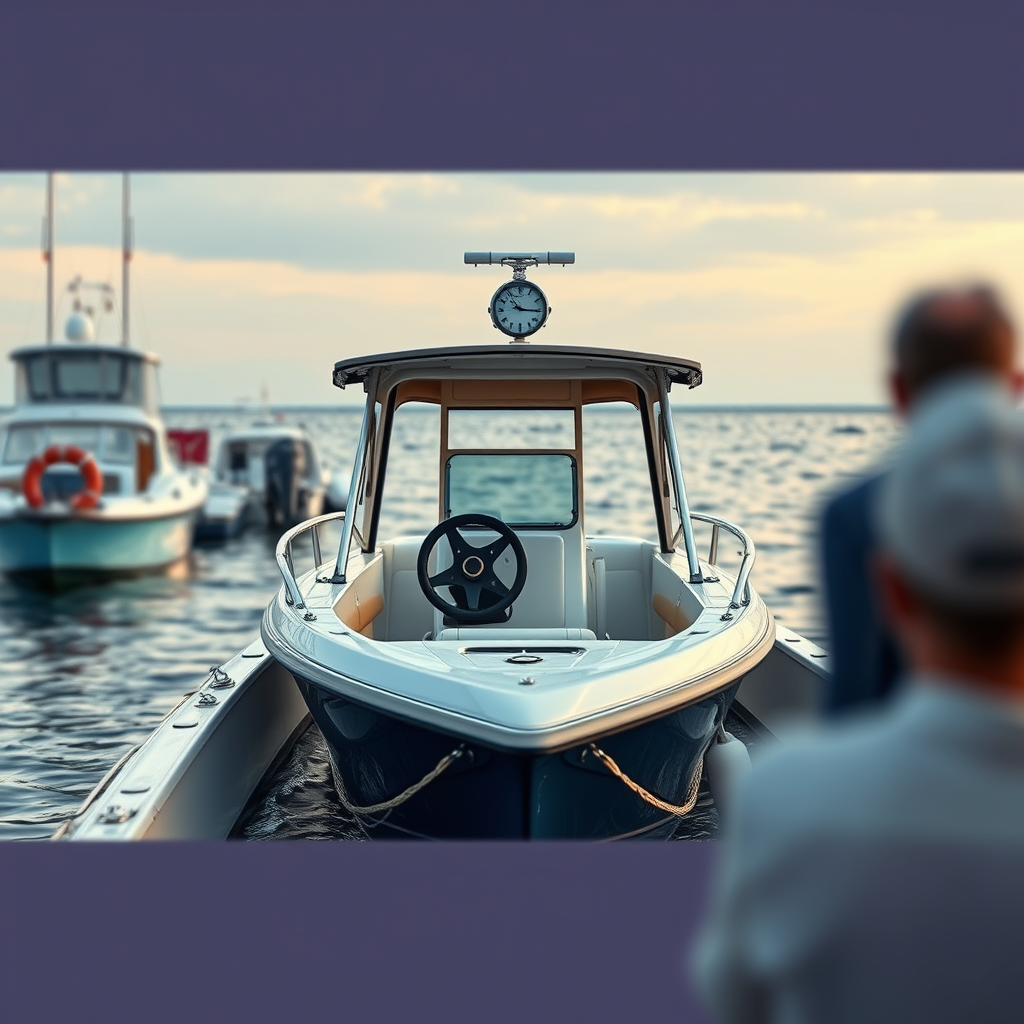
When it comes to boat insurance, there are three primary types of coverage that boat owners should be aware of: liability, comprehensive, and collision.
– Liability Insurance: This type of insurance covers damages you may cause to another person’s property or injuries sustained by others while using your boat. While liability insurance is essential for protecting you against lawsuits, it typically does not cover damage to your own vessel.
– Comprehensive Insurance: Comprehensive policies are designed to cover a wide range of risks, including storm damage. This is the coverage most boat owners will rely on during hurricane season, as it protects against losses from natural disasters, theft, vandalism, and more.
– Collision Insurance: This insurance covers damage to your boat resulting from a collision with another vessel or object. While it is crucial for protecting your boat from accidents, it does not address storm-related damages.
In hurricane scenarios, policy limits and deductibles play a significant role. Policy limits refer to the maximum amount the insurance will pay for a covered loss, while deductibles are the amount you must pay out of pocket before the insurance kicks in. Understanding these terms will help you assess whether your coverage is adequate for potential storm-related damages.
Coverage for Natural Disasters
Most comprehensive boat insurance policies include coverage for storm damage, which encompasses incidents like wind, flooding, and other hurricane-related events. This means that if a hurricane causes damage to your boat while it’s moored or stored, your comprehensive policy may cover the repair costs, minus your deductible.
However, it’s crucial to note that not all policies automatically include hurricane coverage. Some insurers offer additional endorsements or riders specifically for enhanced protection against natural disasters. These endorsements can provide extra financial coverage for specific types of storm damage or extend coverage to areas that might otherwise be excluded. Before hurricane season, it’s advisable to speak with your insurance agent to ensure you have the appropriate coverage in place.
Factors Affecting Coverage
Several factors can affect your boat insurance coverage and premiums, particularly related to geographic location. Living in areas that frequently experience hurricanes, like Florida or the Gulf Coast, can result in higher insurance rates and may limit coverage options. Insurers evaluate the risks associated with your location and may impose specific exclusions or higher deductibles for storm-related damages.
Additionally, the timing of your claim is vital. After a hurricane, insurance companies will often be inundated with claims. Filing your claim promptly and providing thorough documentation of your boat’s condition before and after the storm can expedite the claims process. Keeping a comprehensive record, including photographs and maintenance logs, will support your claim and ensure you receive the compensation you deserve.
Preparing Your Boat for Hurricane Season
Preparation is key to minimizing damage during hurricane season. Here are several key steps you can take to secure your boat:
1. Proper Storage: If possible, store your boat in a hurricane-proof facility or a sheltered area. If you must keep it in the water, ensure it is securely moored using high-quality lines and anchors.
2. Mooring Techniques: Use multiple lines and ensure they are tied securely to both the boat and the dock. Consider using fenders to protect your boat from impact against the dock.
3. Regular Maintenance: Conduct regular maintenance and inspections of your boat to identify and rectify any issues that could worsen during a storm. Pay special attention to the hull, engine, and electrical systems.
4. Remove Valuables: Take out all electronics, personal items, and anything else that could be damaged or lost in a storm.
5. Emergency Kit: Keep an emergency kit on board that includes essential items such as a flashlight, first-aid supplies, and a communication device.
Being proactive and following these steps can significantly reduce the likelihood of severe damage to your boat during a hurricane.
Common Exclusions in Boat Insurance
While boat insurance provides valuable protection, there are common exclusions that policyholders should be aware of. These may include:
– Negligence: Damage resulting from failure to maintain your boat or improper storage techniques may not be covered.
– Wear and Tear: Routine wear and tear or gradual deterioration is typically excluded from coverage.
– Certain Types of Damage: Some policies may exclude coverage for specific types of storm-related damages, such as flooding or mold, unless additional endorsements are purchased.
It’s essential to carefully read your insurance policy to understand what is and isn’t covered. If you identify any concerning exclusions, discuss them with your insurer. Many companies allow negotiations on exclusions or offer alternative coverage options to better suit your needs.
Filing a Claim After Hurricane Damage
After a storm, taking immediate and organized action is crucial for successfully navigating the claims process. Here are steps to follow:
1. Document the Damage: As soon as it is safe, take comprehensive photos and videos of the damage to your boat. This documentation will serve as evidence when filing your claim.
2. Contact Your Insurance Provider: Notify your insurance company as soon as possible. Many insurers have specific time limits for filing claims after a disaster.
3. Provide Details: When filing your claim, provide all relevant details, including the circumstances of the damage, any repairs made, and your documentation.
4. Follow Up: Stay in contact with your insurance adjuster throughout the process to ensure your claim is being processed efficiently.
5. Be Prepared for Inspections: Your insurer may send an adjuster to inspect the damage first-hand before processing your claim.
By staying organized and proactive, you can help facilitate a smoother claims experience after hurricane damage.
Understanding your boat insurance policy and ensuring you have the proper coverage can significantly mitigate risks during hurricane season. Review your policy thoroughly, assess your coverage options, and consider reaching out to your insurance provider for clarification on any questions you may have. Being prepared and informed can help protect your investment and ensure you stay safe during hurricane season.
Frequently Asked Questions
Does boat insurance cover damage from hurricanes?
Yes, many boat insurance policies do cover damage caused by hurricanes, but coverage can vary significantly between providers and policy types. It’s important to check if your policy includes comprehensive coverage, which typically protects against storm damage, including hurricanes. Always read the fine print or consult with your insurance agent to ensure you’re fully informed about your specific coverage limits and exclusions related to hurricane damage.
What types of boat insurance cover hurricane damage?
Generally, comprehensive boat insurance is the type that covers hurricane damage, as it protects against various perils, including natural disasters. Some policies may also offer specialized coverage for hurricane-related risks, like wind and flood damage. To ensure adequate protection, consider reviewing your policy’s terms or choosing a plan that explicitly includes hurricane coverage.
How can I prepare my boat for hurricane damage and insurance claims?
Preparing your boat for a hurricane involves several steps to mitigate damage and ensure a smoother claims process later. Secure your boat in a safe location, such as a marina with storm protection, and remove any loose items that could become projectiles. Document the boat’s condition with photos and a detailed inventory before the storm hits; this can be invaluable when filing an insurance claim for hurricane damage.
Why might my boat insurance not cover hurricane damage?
Your boat insurance may not cover hurricane damage if you have a basic liability policy, which typically only covers damages to others and not your own vessel. Additionally, certain policies might exclude coverage for named storms or hurricanes if you purchased insurance during hurricane season. Always verify your policy details and consider upgrading to comprehensive coverage if you’re in a hurricane-prone area.
Which boat insurance companies offer the best hurricane coverage?
The best boat insurance companies for hurricane coverage often depend on individual needs and location, but providers like Progressive, Geico, and State Farm are known for offering robust comprehensive policies that include hurricane damage. It’s advisable to compare quotes and coverage options from multiple insurers, paying close attention to their specific terms regarding natural disasters to find the best fit for your situation.
References
- Boat insurance – Wikiwand
- https://www.nolo.com/legal-encyclopedia/boat-insurance-coverage-29753.html
- https://www.insurance.wa.gov/boat-insurance
- https://www.consumerfinance.gov/about-us/blog/what-boat-insurance-covers/
- 404 – Page not found | III
- https://www.nbcnews.com/news/us-news/hurricane-harvey-what-boat-owners-need-know-about-insurance-n789546
- https://www.forbes.com/advisor/homeowners-insurance/boat-insurance-coverage/
- https://www.nasbp.org/News/2023/03/Boat_Insurance_and_Hurricanes
- https://www.fema.gov/fact-sheet/boat-insurance-and-hurricanes