

Using your camper as collateral for a loan is indeed possible, depending on the lender’s policies and the camper’s value. Utilizing your camper in this manner can be a strategic financial move, allowing you to secure funds while leveraging an asset you already own. This article will guide you through the process, requirements, and considerations of using your camper to secure a loan, helping you make an informed decision.
Understanding Collateral Loans
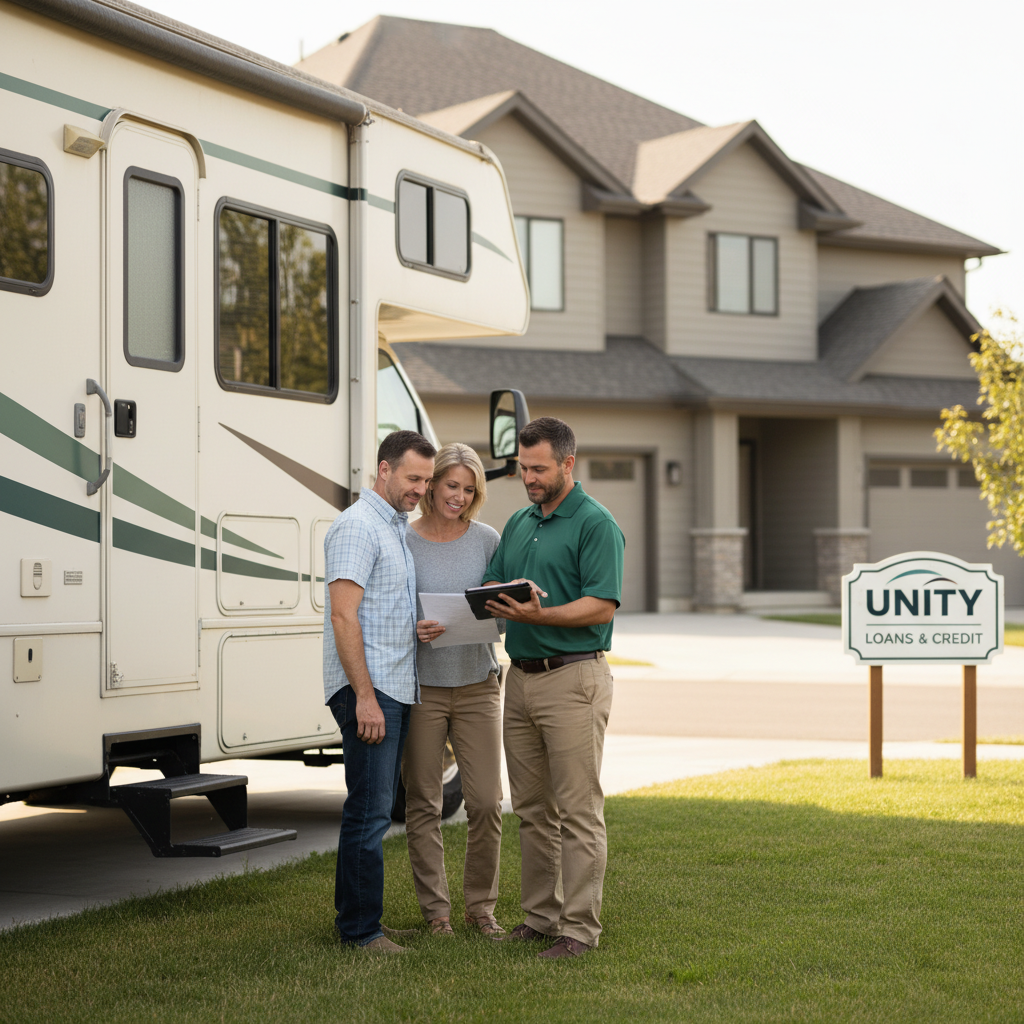
Collateral loans are financial products that require the borrower to pledge an asset as security for the loan. This essentially means that if the borrower defaults on the loan, the lender has the right to seize the collateral to recover their losses. Collateral can take many forms, including vehicles, real estate, or personal property, such as a camper. The primary advantage of collateral loans is the potential for lower interest rates compared to unsecured loans, as the presence of collateral reduces the lender’s risk. This arrangement benefits both parties: borrowers can access funds at a more favorable rate, while lenders have a safety net in case of default.
Eligibility Criteria for Using a Camper as Collateral
When considering using a camper as collateral, lenders evaluate several factors to determine its eligibility. The most significant of these is the camper’s value; this is typically assessed through a market appraisal or a review of comparable sales. Lenders will also consider the age and overall condition of the camper, as well as whether it is roadworthy and compliant with local regulations. Additionally, clear ownership is crucial; borrowers must possess the title documentation that proves they own the camper outright. Any existing liens or debts on the camper may complicate its use as collateral, as most lenders will require that the asset is free of encumbrances.
Types of Loans Available
There are various types of loans that accept collateral, and each comes with its unique advantages and disadvantages. Secured personal loans are a common option; these loans allow borrowers to use their camper as collateral while typically offering lower interest rates compared to unsecured loans. Title loans are another alternative, where the borrower retains possession of the camper but the lender holds the title as security. While title loans may offer quick access to cash, they often come with higher interest rates and shorter repayment terms, making them less favorable long-term. It is important to carefully evaluate the terms and conditions of each loan type to find the best fit for your financial situation.
Assessing Your Camper’s Value
To effectively use your camper as collateral, you must first determine its market value. This can be done through various methods, including online valuation tools, dealership appraisals, or professional appraisals. Websites like NADA Guides and Kelley Blue Book can provide helpful estimates based on the make, model, year, and condition of your camper. Additionally, observing recent sales of similar campers in your area can give you a clearer picture of its current market value. An accurate assessment not only helps you secure a loan that reflects the true worth of your asset but also aids in negotiations with lenders.
The Loan Application Process
Applying for a loan using your camper as collateral involves several key steps. First, gather all necessary documents, including the camper’s title, proof of insurance, and any maintenance records that demonstrate its condition. Next, research potential lenders and compare their terms, interest rates, and fees associated with secured loans. Once you’ve selected a lender, complete the loan application, providing details about your financial history, income, and the camper’s value. The lender will typically conduct their assessment of the collateral before making a decision. Be prepared for a possible interview or additional documentation requests during this process.
Risks and Considerations
While using your camper as collateral can provide quick access to funds, it is not without risks. The most significant concern is the potential for repossession; if you fail to repay the loan as agreed, the lender has the right to take possession of your camper. This could result in the loss of a valued asset that holds personal and financial significance. Additionally, consider the possibility of falling into a cycle of debt if you are unable to meet repayment terms. Alternatives to consider include personal loans without collateral or exploring options like peer-to-peer lending if you are uncertain about leveraging your camper.
Tips for a Successful Loan Experience
To ensure a successful loan experience, it’s essential to approach the process with diligence and care. Start by thoroughly researching lenders, looking for those with positive reviews and transparent terms. When negotiating loan terms, don’t hesitate to ask questions about interest rates, repayment schedules, and any fees involved. Understanding the fine print can help you avoid surprises later on. Additionally, maintain open communication with your lender throughout the loan process. If you encounter financial difficulties, inform your lender as soon as possible; they may offer options to modify your loan terms.
While using your camper as collateral for a loan can be a viable financial strategy, it is crucial to weigh the benefits against the risks and understand the loan requirements. By assessing your camper’s value, researching loan options, and preparing for the application process, you can make an informed decision that aligns with your financial goals. If you’re ready to explore this option, gather your camper’s documentation and consult with potential lenders to find the best deal for your needs.
Frequently Asked Questions
Can I use my camper as collateral for a loan?
Yes, you can use your camper as collateral for a loan, often referred to as a secured loan. Lenders typically accept vehicles, including campers, as collateral because they can repossess the asset if you default on the loan. It’s essential to have the camper appraised to determine its value, which will influence the loan amount you can secure.
What types of loans allow me to use my camper as collateral?
The most common types of loans that allow you to use your camper as collateral are personal loans, title loans, and some specialized RV loans. Personal loans may have more flexible terms, while title loans tend to be quicker but might come with higher interest rates. Make sure to compare different lenders to find the best rates and terms for your specific situation.
How do I determine the value of my camper for collateral purposes?
To determine the value of your camper for collateral, you can start by researching its current market value using resources like the NADA Guides or Kelley Blue Book. Additionally, consider factors such as the camper’s age, condition, and any added features that may enhance its value. Getting a professional appraisal can also provide a more accurate assessment, which can be beneficial when negotiating with lenders.
Why would using my camper as collateral be a good option for a loan?
Using your camper as collateral can be a good option for a loan because it typically results in lower interest rates compared to unsecured loans. Since the loan is secured by an asset, lenders feel more secure in lending you money, which can lead to better terms. Moreover, if you have a lower credit score, offering collateral may increase your chances of approval.
What are the risks of using my camper as collateral for a loan?
The primary risk of using your camper as collateral for a loan is the potential to lose it if you fail to repay the loan. If you default, the lender can repossess your camper to recover their losses. Additionally, if the market value of your camper declines, you may end up owing more than it is worth, which can complicate your financial situation. Always assess your ability to repay the loan before proceeding.
References
- https://www.consumerfinance.gov/about-us/blog/how-do-i-use-my-car-as-collateral-for-a-loan/
- Collateral: Definition, Types, and Examples
- https://www.nolo.com/legal-encyclopedia/what-collateral-loan-29752.html
- https://www.bankrate.com/loans/personal-loans/what-is-collateral/
- https://www.nerdwallet.com/article/loans/what-is-collateral
- https://www.ftc.gov/news-events/media-resources/consumer-finance/using-collateral-loans