

Using your boat as collateral for a loan is indeed possible, but it largely depends on the lender’s policies and the boat’s value. Many lenders accept boats as assets that can be leveraged for financing, offering opportunities for individuals looking to secure funds for various purposes. However, understanding the nuances of this process is crucial to making informed financial decisions. In this article, you’ll learn about the factors to consider, the types of loans available, and the potential pros and cons of using your boat as collateral.
Understanding Boat Collateral
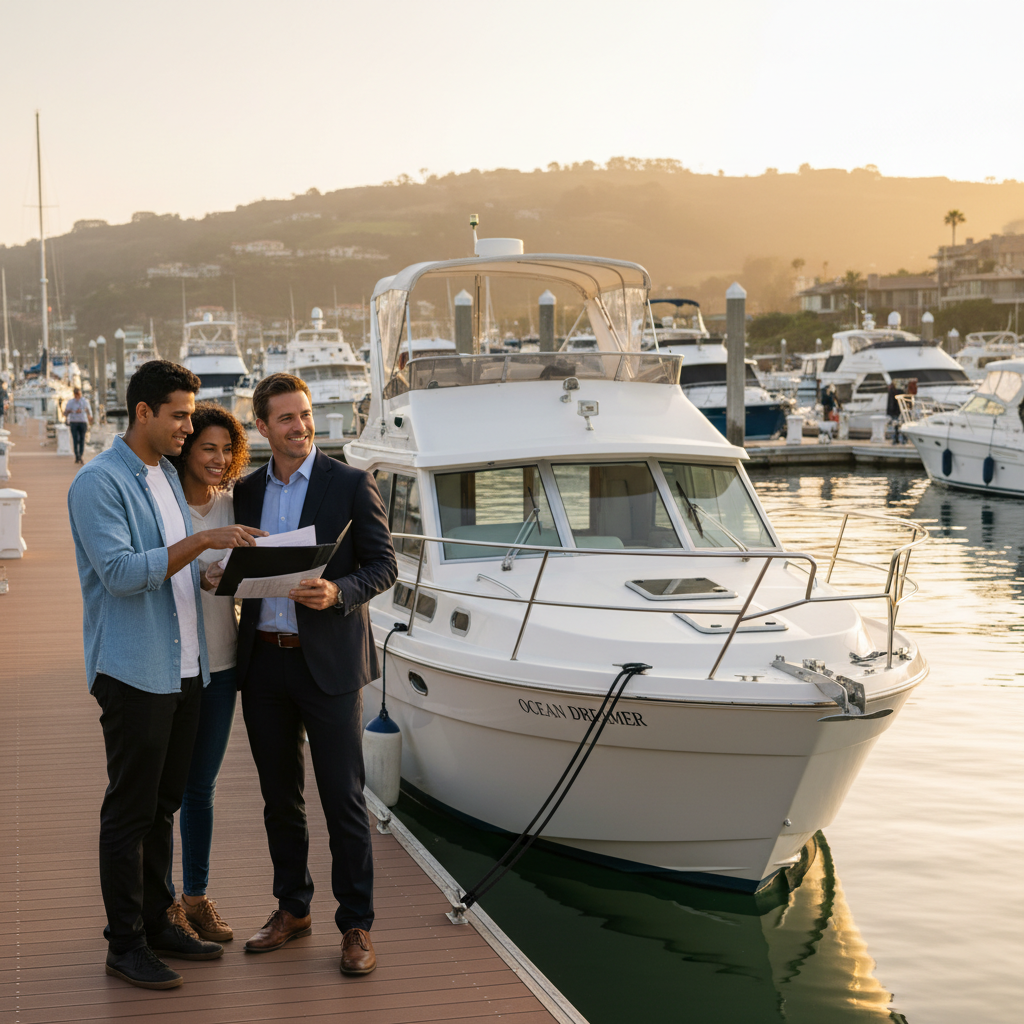
Collateral is an asset that a borrower offers to a lender to secure a loan, acting as a form of protection for the lender in case the borrower defaults on the agreement. When using a boat as collateral, it’s essential to ensure that you hold a clear title and full ownership of the vessel. This means that there are no liens or outstanding loans against the boat, and you are legally entitled to use it as collateral. A clear title not only enhances your credibility with lenders but also simplifies the loan process, as it assures them that they can claim the boat in the event of a default.
Types of Loans That Accept Boat Collateral
There are several types of loans that accept boats as collateral, catering to different financial needs. One common option is a secured personal loan specifically designed for boats. These loans typically offer lower interest rates than unsecured loans due to the security provided by the boat. Additionally, marine financing options through specialized lenders focus exclusively on boats and other watercraft. These lenders often have specific expertise in valuing marine assets and can provide tailored financing solutions, making them a viable choice for boat owners.
Evaluating Your Boat’s Value
Determining your boat’s market value is a crucial step in the collateral loan process. The value of your boat can fluctuate based on various factors, including its age, condition, make, model, and current market trends. To obtain an accurate valuation, consider consulting a professional appraiser who specializes in marine assets. They can provide detailed documentation, including a formal appraisal report, which can significantly influence your loan approval process. Having a clear understanding of your boat’s worth ensures you are not only borrowing the right amount but also sets realistic expectations with lenders.
Pros of Using Your Boat as Collateral
There are several advantages to using your boat as collateral for a loan. One of the most significant benefits is the potential for lower interest rates compared to unsecured loans. Since the loan is backed by a tangible asset, lenders are often willing to offer more favorable terms, which can save you money over the life of the loan. Additionally, using your boat as collateral can increase your borrowing capacity. Lenders typically assess the value of the boat when determining the loan amount, allowing you to secure more funds than you might otherwise qualify for with an unsecured loan.
Cons of Using Your Boat as Collateral
Despite the advantages, there are inherent risks involved in using your boat as collateral. The most significant drawback is the risk of losing your boat if you default on the loan. This can be particularly distressing for boat owners who have invested time and resources into their vessel. Furthermore, using your boat as collateral may entail additional costs, such as increased insurance premiums and ongoing maintenance expenses. These factors can add financial strain, particularly if your circumstances change after taking out the loan.
Preparing for the Loan Application Process
To navigate the loan application process successfully, it’s essential to gather all necessary documentation and information beforehand. This includes proof of ownership, a clear title, and any relevant financial documents that demonstrate your ability to repay the loan. Additionally, be prepared to present your boat in the best possible light—consider cleaning and maintaining it to enhance its appeal to lenders. Providing a comprehensive overview of your financial history can strengthen your application and improve your chances of approval.
Alternatives to Boat Collateral Loans
If using your boat as collateral does not seem like the right option for you, there are several alternatives to consider. Unsecured loans, for instance, do not require collateral and can be obtained based solely on your creditworthiness. While interest rates may be higher, this option provides peace of mind as you won’t risk losing your boat. Additionally, other forms of collateral, such as real estate or savings accounts, may offer more advantageous terms depending on your financial situation and goals.
Using your boat as collateral can be a viable option for securing a loan, but it’s essential to weigh the risks and benefits carefully. Ensure you have all necessary information before approaching lenders. If you decide this route is right for you, consider contacting a financial advisor or a marine lender for personalized advice. Understanding the intricacies of boat collateral loans can empower you to make informed decisions that align with your financial objectives.
Frequently Asked Questions
Can I use my boat as collateral for a loan?
Yes, you can use your boat as collateral for a loan, often referred to as a secured loan. Lenders typically consider the boat’s value, age, and condition before approving the loan. Using your boat as collateral can lower interest rates and improve your chances of loan approval, as it provides the lender with security in case of default.
What types of loans can I get using my boat as collateral?
You can secure various types of loans using your boat as collateral, including personal loans, marine loans, and even home equity loans. Each loan type has specific requirements and terms, so it’s essential to shop around and understand the options available to you. Marine loans are particularly designed for purchasing or refinancing boats and may offer favorable terms for borrowers.
How do lenders assess the value of my boat for collateral?
Lenders assess the value of your boat using several factors, including its make, model, year, and overall condition. They may refer to marine appraisal guides or conduct a physical inspection to determine fair market value. It’s advisable to have a professional appraisal done to provide accurate documentation, which can strengthen your loan application and help secure better loan terms.
What happens if I default on a loan secured by my boat?
If you default on a loan secured by your boat, the lender has the right to repossess the boat to recover the owed amount. This means you could lose your boat, which is why it’s crucial to ensure that you can manage the loan payments before using your boat as collateral. Additionally, defaulting could negatively impact your credit score, making future borrowing more difficult.
Which documents do I need to provide when using my boat as collateral?
When using your boat as collateral for a loan, you typically need to provide documents such as proof of ownership (like a title), registration details, and any existing loan agreements if applicable. Lenders may also require documentation regarding the boat’s condition, such as maintenance records or an appraisal report. Having these documents ready can streamline the loan approval process and help you secure better terms.
References
- Collateral: Definition, Types, and Examples
- Should I trade in my car if it’s not paid off? | Consumer Financial Protection Bureau
- https://www.nolo.com/legal-encyclopedia/using-personal-property-collateral-loan-29930.html
- https://www.bankrate.com/loans/personal-loans/collateral-loans/
- https://www.nerdwallet.com/article/loans/collateral-loans
- https://www.uscourts.gov/services-forms/bankruptcy/collateral-loans



