Obtaining a loan on a salvage title is challenging, but it is possible with the right approach. Many lenders are hesitant to finance vehicles with salvage titles due to their history of damage; however, some financial institutions specialize in these loans. Understanding the nuances of salvage titles and the lending landscape can significantly improve your chances of securing financing. In this article, we’ll explore what you need to know about securing a loan on a salvage title, including lenders that may be willing to work with you and tips to enhance your chances.
Understanding Salvage Titles
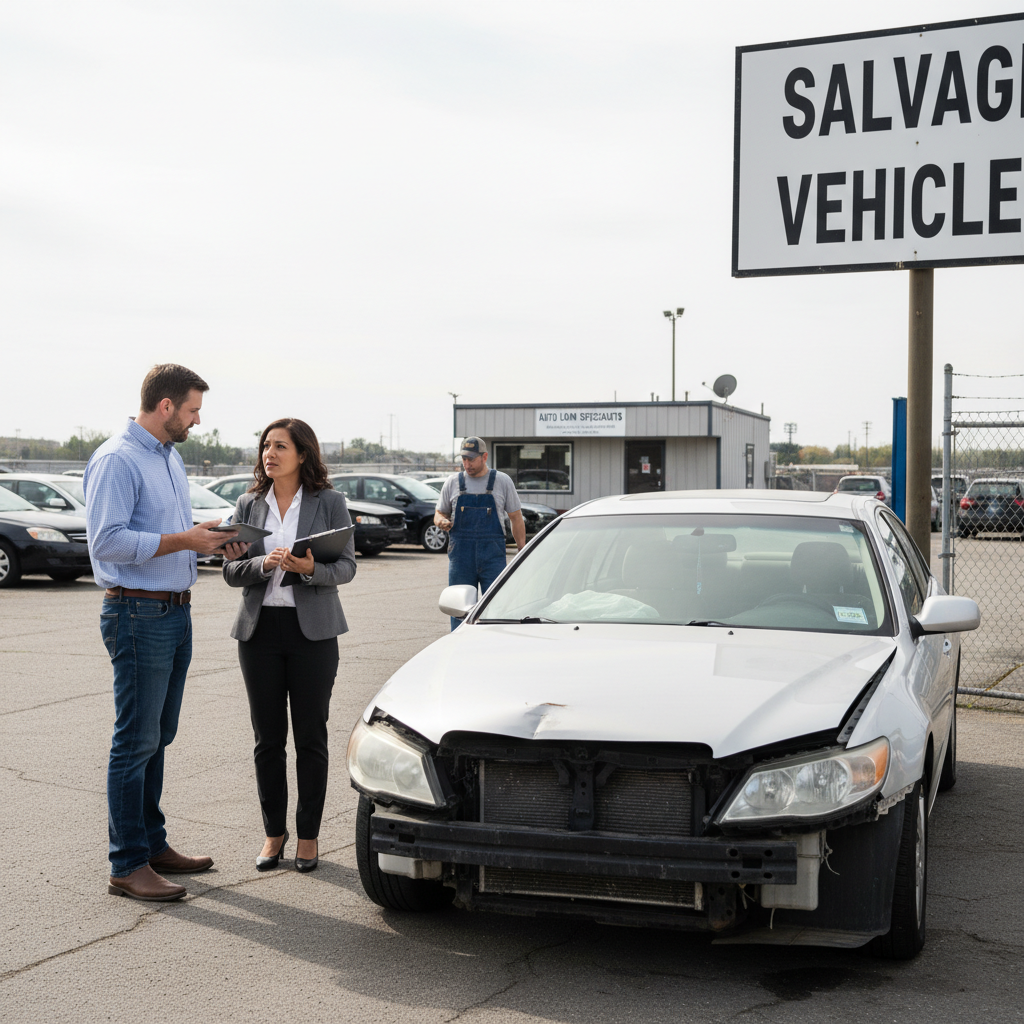
A salvage title is issued to a vehicle that has been deemed a total loss by an insurance company. This designation means that the cost of repairs for the vehicle exceeds a certain percentage of its market value, often around 75%. As a result, the implications of having a salvage title are significant, as it typically leads to a lower resale value and can complicate future financing or insurance options.
Vehicles may receive a salvage title for various reasons, including serious accidents, theft recovery, or natural disasters such as floods. For example, a car that has been in a severe collision and subsequently deemed not worth repairing by an insurer will receive a salvage title. Additionally, vehicles that have suffered extensive water damage from flooding can also be labeled as salvage, impacting their long-term viability and performance. Understanding these implications is crucial as they play a vital role in the financing process.
Lender Attitudes Toward Salvage Titles
Traditional lenders, including banks and credit unions, typically view salvage titles with skepticism. Due to the inherent risks associated with financing a vehicle that has a history of significant damage, many of these institutions are reluctant to provide loans. They may consider salvage-title vehicles as high-risk investments, often leading to higher interest rates or outright denials.
On the other hand, alternative lenders or specialized financing companies may be more open to considering loans for salvage title vehicles. These lenders often have experience working with individuals in unique financial situations and may assess the vehicle’s condition more closely rather than solely relying on its title status. Online lenders and peer-to-peer lending platforms can also be viable options. Researching these alternative lenders can provide you with opportunities that traditional financial institutions may not offer.
Requirements for Getting a Loan on a Salvage Title
When seeking a loan for a vehicle with a salvage title, there are specific documentation requirements you will need to meet. Most lenders will ask for the vehicle title itself, along with proof of any repairs made since the title was issued. This documentation should include receipts and records from licensed professionals who performed the repairs, which demonstrates that the vehicle is now safe and roadworthy.
Additionally, having a vehicle inspection report can significantly bolster your application. This report, conducted by a qualified mechanic, should outline the current condition of the vehicle, confirming that it meets safety standards. The goal is to assure the lender that the vehicle is a worthy investment despite its salvage history. Proper documentation is key to providing clear evidence of the vehicle’s repair history and present condition.
Improving Your Chances of Approval
To enhance your chances of obtaining a loan on a salvage title, it’s essential to strengthen your loan application. One of the most critical factors is your credit score. A higher credit score can demonstrate to lenders that you are a responsible borrower, even if the vehicle’s title presents challenges. Aim to improve your credit score before applying by paying off outstanding debts and ensuring timely payments on current loans.
Additionally, providing a larger down payment can also be beneficial. A substantial down payment reduces the lender’s risk and shows your commitment to the purchase. Presenting a well-documented repair history and a current inspection report can further convince lenders of the vehicle’s value. Highlighting the steps you’ve taken to restore the vehicle can help mitigate concerns they may have regarding its salvage status.
Risks and Considerations
Financing a salvage title vehicle comes with inherent risks that potential buyers should carefully consider. One significant drawback is the potential for higher insurance rates. Many insurance companies view salvage title vehicles as high-risk and may charge more for coverage or limit the types of coverage available. Additionally, resale value can be considerably lower compared to vehicles with clean titles, which can impact your long-term financial investment.
Moreover, the vehicle’s history of significant damage may result in unforeseen mechanical issues down the line, which could lead to costly repairs. This uncertainty can lead to frustration for the owner. Therefore, it is crucial to weigh these risks against the financial benefits of purchasing a salvage title vehicle, ensuring that you are making a well-informed decision.
Frequently Asked Questions
A few common queries arise when discussing loans on salvage titles. One frequent question is whether it is legal to finance a salvage title vehicle. Yes, it is legal, but certain lenders may have restrictions. Another common inquiry involves whether you can obtain full coverage insurance on a salvage title vehicle. While it is possible, many insurers will only provide limited coverage, depending on the vehicle’s assessed value and condition.
Additionally, prospective buyers often wonder about the difference in financing options between salvage titles and rebuilt titles. A rebuilt title indicates that a salvage title vehicle has been repaired and inspected to meet safety standards, often making it easier to finance. Understanding these legal and financial terms can help buyers navigate their options more effectively.
Securing a loan on a salvage title can be difficult, but understanding the process and knowing where to look can significantly increase your chances. By preparing properly and working with the right lender, you can navigate the challenges associated with financing a vehicle that has a salvage title. If you’re considering this option, start researching lenders today and gather the necessary documentation to get the ball rolling.
Frequently Asked Questions
Can you get a loan on a salvage title vehicle?
Yes, it is possible to get a loan on a salvage title vehicle, but it can be more challenging than obtaining a loan for a regular vehicle. Lenders often view cars with salvage titles as high-risk investments due to their history of significant damage. As a result, you may need to provide additional documentation about the vehicle’s repairs and condition, and the interest rates might be higher compared to standard auto loans.
What types of lenders are willing to finance a salvage title car?
Not all lenders are willing to finance salvage title vehicles, but some options include specialized lenders, credit unions, and certain online auto loan companies. These lenders may have experience dealing with salvage titles and can offer tailored financing options. It’s advisable to research and compare lenders who explicitly state that they finance salvage title cars to find the best terms.
Why is it harder to get a loan for a salvage title vehicle?
Obtaining a loan for a salvage title vehicle is typically harder due to the perceived risk associated with such vehicles. Salvage titles indicate that the car has been declared a total loss by an insurance company, which raises concerns about the car’s reliability, safety, and resale value. Lenders may therefore impose stricter requirements, such as higher down payments or more comprehensive inspections, to mitigate their risk.
What are the best practices for obtaining a loan on a salvage title vehicle?
To improve your chances of securing a loan on a salvage title vehicle, start by gathering all necessary documentation, including repair records and a detailed inspection report from a trusted mechanic. Presenting this information to lenders can demonstrate the vehicle’s current condition and value. Additionally, consider improving your credit score, saving for a larger down payment, and shopping around for lenders who specialize in high-risk loans.
Which factors influence the loan amount you can get for a salvage title car?
Several factors influence the loan amount you may be offered for a salvage title car, including the vehicle’s current market value, its condition, and the extent of repairs completed since the salvage event. Lenders will also consider your credit history, income, and overall financial situation when determining how much they are willing to lend. Understanding these factors can help you negotiate better terms and ensure a more favorable loan agreement.
References
- Salvage title
- https://www.consumerfinance.gov/ask-cfpb/can-i-get-a-loan-on-a-salvage-title-vehicle-en-1960/
- https://www.nolo.com/legal-encyclopedia/salvage-title-vehicles-what-you-need-know-32259.html
- https://www.edmunds.com/car-buying/can-you-get-a-loan-for-a-salvage-title-vehicle.html
- https://www.thebalance.com/salvage-title-what-it-means-4172072